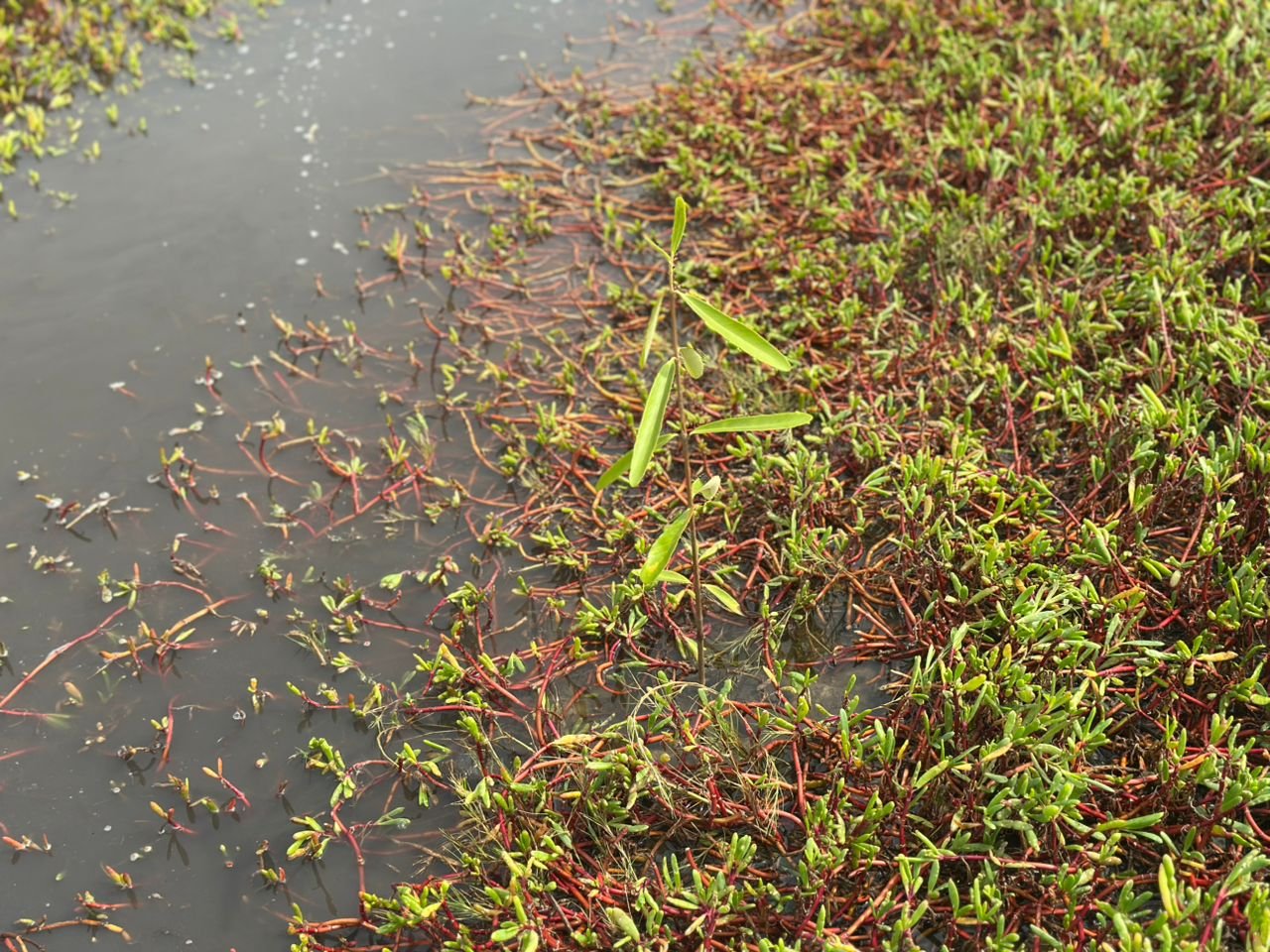
In a bold response to the escalating climate crisis along Ghana’s vulnerable coastline, ActionAid Ghana, under the Improved Resilience of Coastal Communities in Ghana and Côte d’Ivoire (IRCC) Project, is leading an ambitious mangrove restoration initiative targeting 1,250,000 mangrove seedlings across the Ada and Anloga Districts.
As climate-induced sea erosion, tidal surges, flooding, and rising sea levels continue to threaten coastal settlements, livelihoods, and ecosystems, the project is championing mangroves as powerful Nature-Based Solutions (NbS)—cost-effective, climate-smart interventions that work with nature to build long-term resilience.
Mangroves are increasingly recognised as frontline defenders against climate shocks. Their dense root systems act as natural barriers, dissipating wave energy, reducing storm-surge impacts, and stabilising fragile shorelines against erosion. Beyond physical protection, mangroves are among the planet’s most efficient “blue carbon” ecosystems, storing up to three times more carbon than terrestrial forests, particularly within their rich soil systems.
Cecilia Tetteh, a community volunteer actively engaged in the restoration exercise, shared her views on the initiative:
“As a young woman living along the coast, I have seen how floods and erosion affect women and children the most. Being part of this project makes me proud because we are protecting our homes while also protecting the climate.”
Beyond climate mitigation, the restored mangrove ecosystems will deliver far-reaching environmental and socio-economic benefits. Mangroves filter pollutants and sediments from water bodies, improve water quality, and provide critical nursery habitats for fish, crabs, birds, and other wildlife—strengthening biodiversity and sustaining local fisheries that many coastal families depend on for income and nutrition.
Unlike hard engineering solutions such as concrete sea walls, mangroves offer a self-repairing and adaptive defence system. When properly restored and protected, they grow with rising sea levels and regenerate naturally, making them a sustainable and community-friendly alternative for long-term coastal protection.
Under the IRCC Project, ActionAid Ghana is collaborating closely with the Forestry Commission and local authorities to ensure the implementation of ecologically appropriate restoration practices. The project adopts a science-backed approach, planting approximately 25,000 mangrove seedlings per hectare while respecting local ecological conditions and traditional knowledge—avoiding the pitfalls of “one-size-fits-all” restoration efforts that have undermined similar initiatives elsewhere.
According to Bright Agbagba, Project Manager of the IRCC Project, “Mangrove restoration is not just an environmental intervention; it is a social justice and resilience strategy. Coastal communities—particularly women, children, and persons with disabilities—are disproportionately affected by climate impacts. By investing in nature-based solutions, we are reducing disaster risks, strengthening livelihoods, and building community-led climate resilience that will endure for generations.”
Ghana’s coastal communities have become increasingly exposed to climate hazards, including flooding from heavy rainfall, tidal waves, high tides, and seawater intrusion. These challenges exacerbate poverty, food insecurity, and displacement, underscoring the urgency of integrated and inclusive climate action.
Through participatory community engagement, volunteer mobilisation, and collaboration with state institutions, the IRCC Project is ensuring that restoration efforts are locally owned and sustainably governed. Community members are not only beneficiaries but also active stewards of the ecosystems that protect them.
As Ghana accelerates its climate adaptation and mitigation efforts, ActionAid Ghana’s mangrove restoration initiative stands as a compelling example of how nature-based solutions can deliver multiple wins—protecting coastlines, capturing carbon, restoring biodiversity, and safeguarding the lives and livelihoods of those most at risk.
In planting mangroves today, the project is laying down living infrastructure rooted in nature, strengthened by community action, and vital for a just and climate-resilient future along Ghana’s coast.
The Improved Resilience of Coastal Communities in Ghana and Côte d’Ivoire is a project funded by the Adaptation Fund and implemented by ActionAid Ghana, UN-Habitat, Habitat for Humanity, and the University of Twente. In Ghana, the project is targeting 11 communities in the Anloga District of the Volta Region and the Ada Districts in the Greater Accra Region.
Written by Jacqueline Parditey