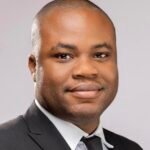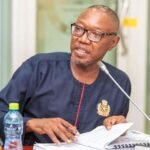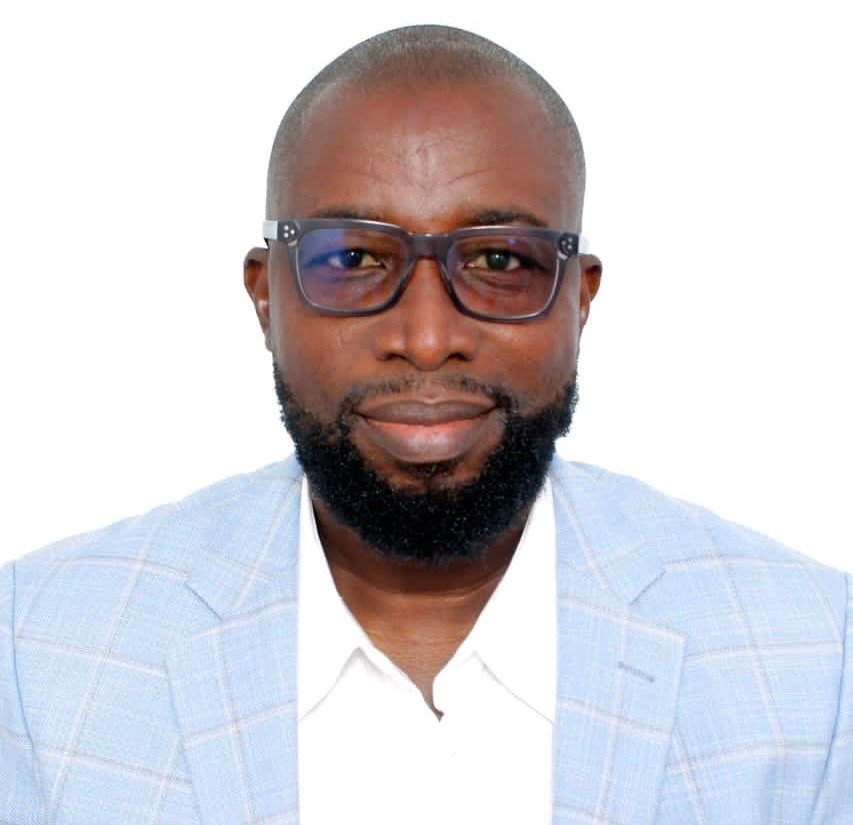
Kingsley Ofosu Ntiamoah, former Chief Executive Officer of the Museums and Monuments Board and a member of the New Patrotic Patry Communications team, has raised concerns that ending the double-track system without sufficient capacity could leave thousands of students without access to senior high school education.
Speaking to Isaac Addae on Morning Starr on Starr FM, Mr Ofosu Ntiamoah argued that any decision to end the system must take into account the number of students who still depend on the additional capacity it provides.
According to him, the double-track system, despite the challenges associated with it, was introduced to expand access to secondary education for thousands of students who otherwise might have remained at home.
He said the introduction of double-track was one of the major interventions that allowed thousands of young people who might otherwise have stayed at home to gain access to secondary education.
“It’ll be better off to stay in the house for even three months, four months, and go to school and learn than not to go to school at all,” he said.
Mr Ofosu Ntiamoah questioned what would happen to students who could potentially lose access to secondary education if the double-track system is ended without adequate alternative capacity.
He referred to a figure of almost 55,000 students, using the capacities of major sports stadiums to illustrate the scale of the students he believes could be affected.
“I can’t say the sports stadium full, Legon full, Erwa full. That’s the chunk number of people to stay in the house without doing anything,” he said.
He questioned whether the decision to end the double-track system is partly driven by the desire to reduce the cost of the Free Senior High School programme.
“Is it because he wants to end the double track next year? That is why he is refusing access to these people?” he asked.
Mr Ofosu Ntiamoah said the issue requires serious consideration because ending double-track without providing sufficient places could deny some qualified students the opportunity to attend senior high school.
He maintained that the policy should be assessed not only by its challenges but also by the access it has provided to students who might otherwise have remained out of school.
He therefore urged stakeholders to examine the country’s capacity to absorb all qualified students before completely phasing out the double-track system.
Mr Ofosu Ntiamoah also called for education policies to be considered critically rather than being reduced to partisan political debates.
He said the ultimate priority should be ensuring that every qualified student has access to secondary education, regardless of the system used to provide that access.
Source: Starrfm.com.gh/Pamela Quayson