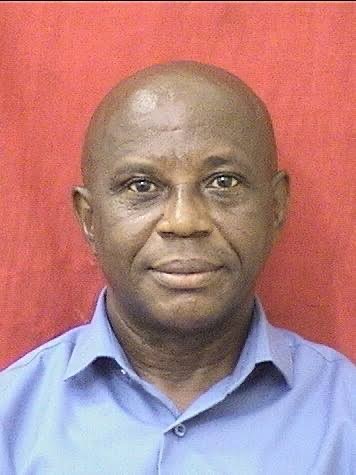
An Economist and Senior Lecturer at the Department of Liberal Studies, Kumasi Technical University (KsTU), Mr. Johnson Addai-Asante, has stated that the government’s renewed commitment to fiscal discipline remains critical in curbing unnecessary expenditure and sustaining Ghana’s economy as the country prepares to exit the International Monetary Fund (IMF) programme.
Speaking on Kumasi-based Ultimate FM’s “Cup of Tea” programme, hosted by Sachiel Ibn Yaccub, Mr. Addai-Asante outlined key policy interventions the government must prioritise to strengthen the Ghana cedi in the long term without resorting to external financial support.
According to him, one major step is the expansion of the national tax net, particularly to include more players within the informal sector, to boost domestic revenue mobilisation and stabilise the exchange rate.
He noted that while some progress has been made, such as the achievement of single-digit inflation, the government must do more to meet the promises made to Ghanaians during the campaign period.
Mr. Addai-Asante emphasised that 2026 presents a year of growth, but achieving this will require deliberate efforts to consolidate the gains made so far.
He stressed the importance of adding value to Ghana’s export products, rather than continuing the long-standing practice of exporting raw materials such as cocoa beans, timber, gold, bauxite, and manganese. According to him, value addition remains a sustainable solution to Ghana’s persistent macroeconomic challenges.
He further described President John Dramani Mahama’s assertion that “Ghana is not going back to the International Monetary Fund” as feasible, provided the country remains under determined leadership and effectively manages its fiscal and monetary policies.
Mr. Addai-Asante commended the Bank of Ghana for its role in stabilising the exchange rate but noted that more work must be done, particularly in building and consolidating international reserves.
He added that the government must complement monetary policy with strict fiscal discipline, broaden the tax base to include all economically active citizens, cut wasteful expenditure, and curb extravagant lifestyles among public officials.
He concluded that if these measures are properly implemented, Ghana can successfully avoid returning to the IMF and place the economy on a sustainable growth path.
Source: Starrfm.com.gh/Emmanuel Anyam