The Public Utilities Regulatory Commission (PURC) has announced a downward review of electricity and water tariffs for the second quarter of 2026, effective April 1, 2026.
The Commission says the adjustments are part of its quarterly mandate to ensure tariffs reflect key economic and operational developments.
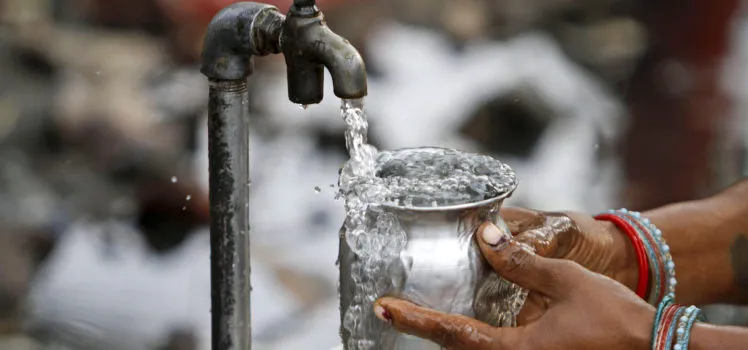
The average electricity tariff will drop by 4.81 percent, while water tariffs will see a 3.06 percent reduction. For the first time, PURC has also introduced a commercial Electric Vehicle (EV) charging tariff as part of its efforts to promote green energy transition.
Speaking on the rationale behind the review in a statement, the Commission explained that quarterly adjustments take into account factors such as the Ghana Cedi–US Dollar exchange rate, domestic inflation, electricity generation mix, and fuel costs, particularly natural gas used in thermal plants.
The Commission noted that it applied a projected weighted average exchange rate of GHS11.1931 to the US dollar for the quarter, a 6.78 percent reduction from the previous quarter.
Inflation for the same period averaged 4.17 percent, down 47.87 percent from the prior quarter. Meanwhile, the cost of natural gas increased slightly to USD8.0988 per MMBtu, up 2.84 percent from the previous rate.
“These quarterly adjustments are undertaken by the Commission to maintain the real value of the tariffs, which would enable the utility service providers to be financially viable to deliver on their services to consumers, while bearing in mind the impact of these tariffs on consumers in general,” the Commission said.
The approved tariffs for electricity vary across customer categories. Residential customers using 0–300 kWh will now pay 196.88 Ghana pesewas per kWh, down from 200.22, while those using above 301 kWh will pay 260.15 Ghana pesewas per kWh, down from 264.55.
Special Load Tariff (SLT) customers will also see reductions, with high-voltage users’ rates dropping by 15.43 percent. The new commercial EV charging rate is set at 201.60 Ghana pesewas per kWh.
Water tariffs have been adjusted similarly, with lifeline residential consumers paying 593.49 Ghana pesewas per cubic meter, down from 612.25, and non-residential customers now paying 1,776.41 Ghana pesewas per cubic meter, reduced from 1,832.57. Commercial, industrial, and public institution rates have also been reduced proportionally.
The Commission thanked stakeholders for their support and reiterated its commitment to implementing quarterly tariff reviews in line with its Rate Setting Guidelines.
“The Commission will continue to monitor operations of the regulated service providers and to hold them accountable to its regulatory standards and benchmarks to ensure value for money and improved quality of service delivery,” the statement added.
Below is a copy
Source: Starrfm.com.gh