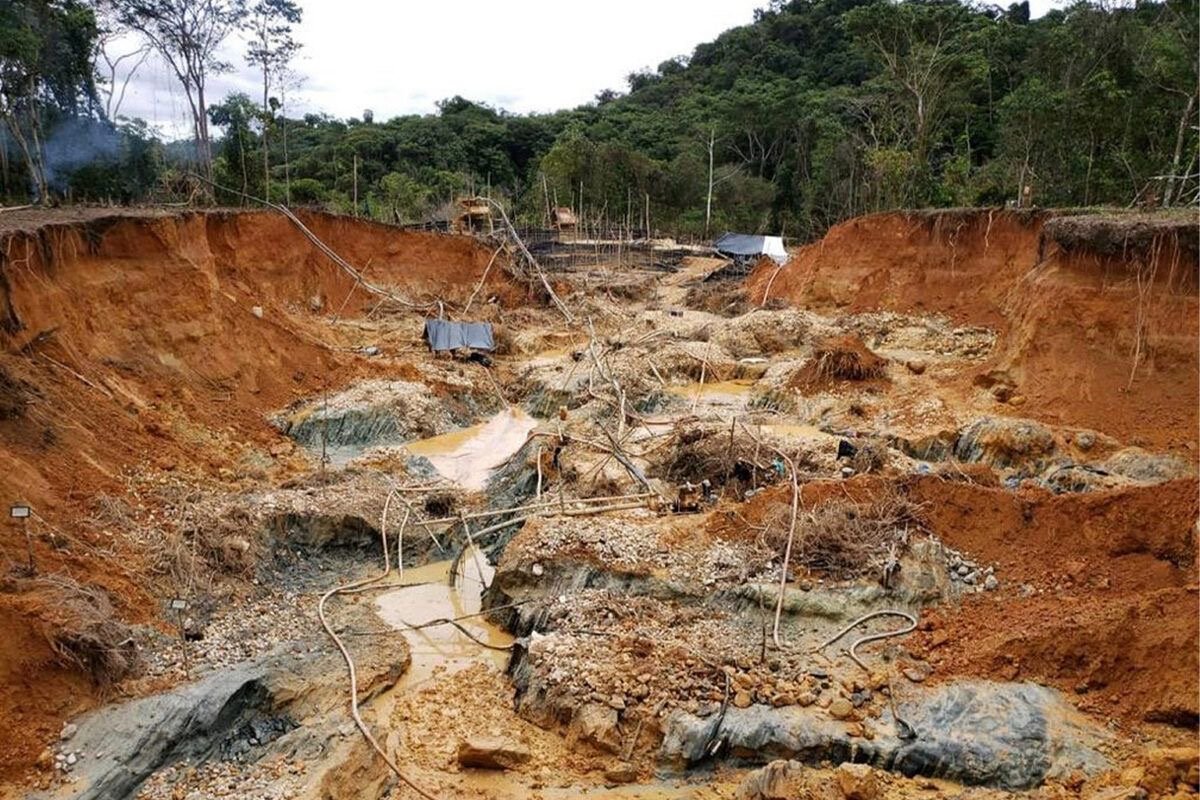
Illegal mining, popularly known as galamsey, is destroying rivers, farmlands and forest areas across parts of Ghana, threatening the livelihoods and health of communities that depend on these natural resources.
The activity has become common in mineral-rich areas including Tarkwa, Prestea, Wassa Amenfi and Bogoso in the Western Region; Obuasi and Amansie in the Ashanti Region; Dunkwa-on-Offin in the Central Region; and areas around Akyem in the Eastern Region.
The illegal operations involve individuals and groups mining without the required licenses, with some using heavy machinery such as excavators. The activities have transformed some once productive landscapes into mining sites, leaving behind polluted water bodies, destroyed vegetation and abandoned mining pits.
Major water bodies including the Pra, Ankobra, Birim, Offinand Tano rivers have suffered pollution from mining activities. Communities that previously depended on some of these rivers for drinking water, farming and fishing have been forced to seek alternative sources.
One of the major concerns is the use of mercury in some illegal gold-processing activities. Mercury is used to separate gold from other materials, but improper handling can contaminate water sources and pose risks to humans, animals and aquatic life.
The environmental damage has also affected agricultural communities. Farmlands used for cocoa and food production have been destroyed in some mining areas, leaving farmers without their main sources of livelihood.
Mr Emmanuel Gyan, a farmer and resident of Dunkwa-on-Offin, said illegal mining has destroyed his farmland and left him without his main source of livelihood.
The destruction of farmland is also raising concerns about Ghana’s agricultural future. Cocoa farming, in particular, has suffered in some mining communities because many cocoa-growing areas overlap with regions where illegal mining takes place.
Health and safety concerns
The effects of illegal mining extend beyond environmental destruction. Communities located close to mining areas face risks associated with polluted water, contaminated food sources and exposure to harmful chemicals.
Long-term exposure to mercury can affect the nervous system and may cause serious health problems, particularly among children and pregnant women.
The Ghana Water Company Limited has also raised concerns about the increasing difficulty and cost of treating water from heavily polluted rivers. Highly contaminated raw water requires more resources to make it safe for public consumption.
Abandoned mining pits create another safety concern. After gold is extracted, some illegal miners leave behind deep holes that collect rainwater. These pits can become dangerous to humans and animals, particularly children.
Illegal mining has also been linked to accidents involving collapsed mining pits, with several miners losing their lives while working in unsafe conditions.
Why illegal mining continues
Unemployment and poverty are among the major factors driving people into illegal mining. For many young people, particularly in rural communities, mining appears to provide a quick source of income when formal employment opportunities are limited.
Some young people leave school or abandon farming because they believe mining offers faster financial rewards.
The high international demand for gold is another factor. As gold prices increase, more people become interested in accessing the mineral, sometimes through illegal means.
Weak enforcement of mining regulations has also contributed to the problem. Challenges including inadequate monitoring, limited resources for enforcement agencies and allegations of corruption have made it difficult to control illegal operations.
In some communities, local actors support or participate in mining because they see it as an economic opportunity. Land ownership disputes, traditional authority issues and political influences have also made efforts to control illegal mining more difficult.
Economic and social consequences
Although illegal mining provides income for some people, its long-term economic consequences are becoming increasingly damaging.
When farmlands are destroyed, farmers lose their sources of income. The government also spends resources fighting illegal mining and restoring damaged lands, while polluted water increases the cost of water treatment.
Illegal operations can also deprive the country of potential revenue because they often avoid the taxes, royalties and other payments associated with licensed mining.
The social effects are equally significant. Young people are attracted to mining because of the income it provides, while communities face conflicts over land ownership involving traditional authorities, landowners, miners and government agencies.
Women in mining communities are also affected because many depend on farming, trading and small businesses connected to agriculture. When mining destroys farmland and changes local economies, their livelihoods are threatened.
The way forward
Addressing illegal mining requires more than arrests and the destruction of mining equipment. The causes that push people into the activity must also be addressed.
Strengthening the regulation of small-scale mining is one proposed solution. Small-scale mining remains an important source of employment for many Ghanaians, but miners must operate legally and responsibly.
The licensing process should be easier, faster and more accessible to genuine small-scale miners. Environmental protection should also be central to Ghana’s mining strategy, with mining operators held responsible for restoring degraded lands.
Communities should be involved in decisions concerning mining activities. Chiefs, traditional leaders, youth groups and civil society organizations can work with government agencies to monitor mining activities and protect natural resources.
Creating sustainable employment opportunities is also important. Investment in agriculture, technical training, entrepreneurship programs and rural industries can provide alternatives for young people who might otherwise turn to illegal mining.
Public education is another important measure. Schools, religious institutions, traditional authorities and community organizations can educate people about the dangers of destroying rivers, forests and farmlands.
The illegal mining crisis therefore goes beyond the search for gold. It involves Ghana’s water resources, agricultural land, public health, employment and the future of communities across the country.
Ghana has benefited from gold for centuries, but the destruction associated with irresponsible mining raises a fundamental question: how much environmental and human damage should the country accept in the pursuit of mineral wealth?
The future of Ghana’s mining industry will depend not only on the amount of gold extracted from the ground, but also on whether future generations inherit clean rivers, productive farmlands and communities that can live with dignity.
Gold is valuable, but Ghana’s future is priceless.
Written By Frank Oppong-Kwakye