


Health experts are calling for greater attention to atopic eczema, a chronic skin condition that now affects more than 230 million people worldwide.
In Ghana, low awareness and stigma have forced many patients to either hide their condition or rely on herbal remedies without proper diagnosis, often leading to severe complications.
The World Health Organization (WHO) describes atopic eczema, also known as atopic dermatitis, as the most common chronic inflammatory skin disorder. It is ranked as the fourth leading cause of non-fatal disability globally.

Worldwide, the disease affects up to 20 percent of children and nearly 10 percent of adults, with rising prevalence particularly among children and people with skin of colour.
This year’s World Atopic Eczema Day, marked on September 14 under the theme “Our Skin, Our Journey”, sought to highlight the daily struggles of patients and the long-term impact of the condition and associated stigma.
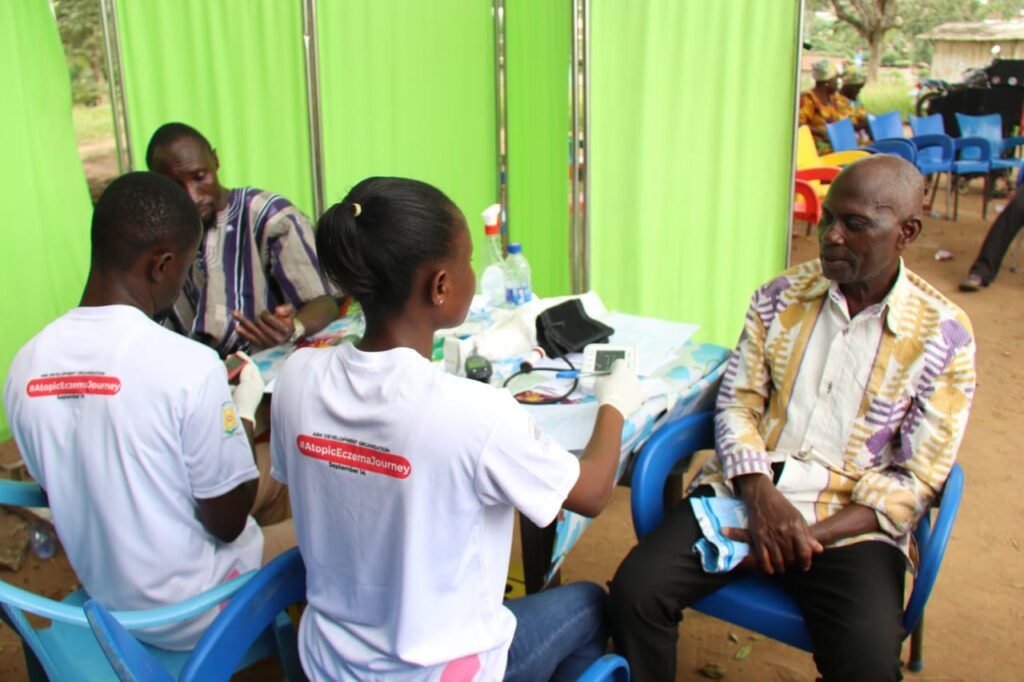
In Ghana, the day was observed in Kukua, a farming community in the Suhum Municipality, through a float, medical screening, and a football match organized by the Ark Development Organization, the Global Skin Organization, and the Ghana Health Service to raise awareness.
“The essence why today we are creating awareness, because people are not aware that there’s a medication for that. So we are doing this one to create awareness. We have volunteers, about 90 volunteers within all the communities,” said Emmanuel Kwafo Mintah, Executive Director of the Ark Development Organization.
Elijah Teye, a Physician Assistant at the Suhum Health Center, lamented that many Ghanaians with the condition resort to secrecy or unproven remedies. He cautioned that such approaches could lead to serious health challenges.

The WHO has stressed the need for stronger healthcare systems, clear treatment guidelines, and global advocacy to ensure patients receive proper care.
Health professionals in Ghana are urging citizens to prioritize skin health, seek early medical attention, and reduce stigma to minimize complications linked to atopic eczema.
Source: Ghana/Starrfm.com.gh


