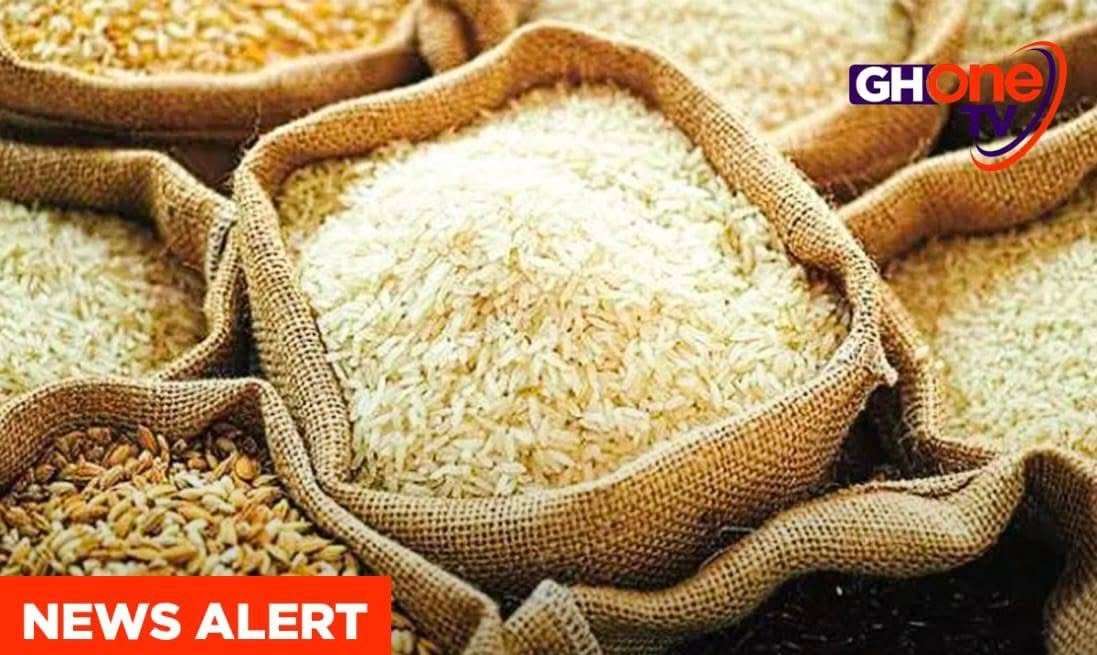
The government plans to amend public procurement laws to compel schools, hospitals and other public institutions to purchase only locally grown rice and other staple foods using public funds.
The proposed measure forms part of efforts to expand the market for Ghanaian agricultural produce, support local farmers and reduce the country’s dependence on food imports.
Presenting the 2027 Budget Statement and Economic Policy to Parliament on Thursday, November 12, 2026, Finance Minister Dr Cassiel Ato Forson said the amendment would ensure that public expenditure directly benefits local agricultural producers.
He said the policy would provide a reliable market for Ghanaian farmers while creating employment opportunities within the country.
“This will ensure that public spending feeds our children, patients and other beneficiaries while providing a reliable market for Ghanaian farmers and creating jobs at home,” Dr Forson stated.
Emphasising the government’s position on the use of public funds to procure food, the Finance Minister said: “If you spend their money to put rice on the table, that rice must come from their farms.”
He added: “Our public purse must nourish both those who eat and those who produce.”
Dr Forson further stressed the principle behind the proposed policy, declaring that “if you use Ghana’s money to buy rice, you must buy Ghana rice!”
The procurement reform is part of the government’s broader US$3 billion Commercial Agriculture pillar under the New Economy Programme, which seeks to strengthen domestic food production, promote agro-processing and create jobs.
As part of the rice production strategy, government plans to establish Rice Development Hubs in Afram Plains, the Volta Basin, Western Ghana and Northern Ghana.
The hubs are expected to bring an additional 100,000 hectares under rice cultivation, with production targets of five to six metric tonnes per hectare and an estimated 125,000 jobs.
Government also intends to link rice import licences to purchases from verified Ghanaian farmers and millers from 2027, with the local-purchase ratio expected to increase as domestic production expands.
The measures form part of the government’s broader target of ending commercial rice imports by 2030.