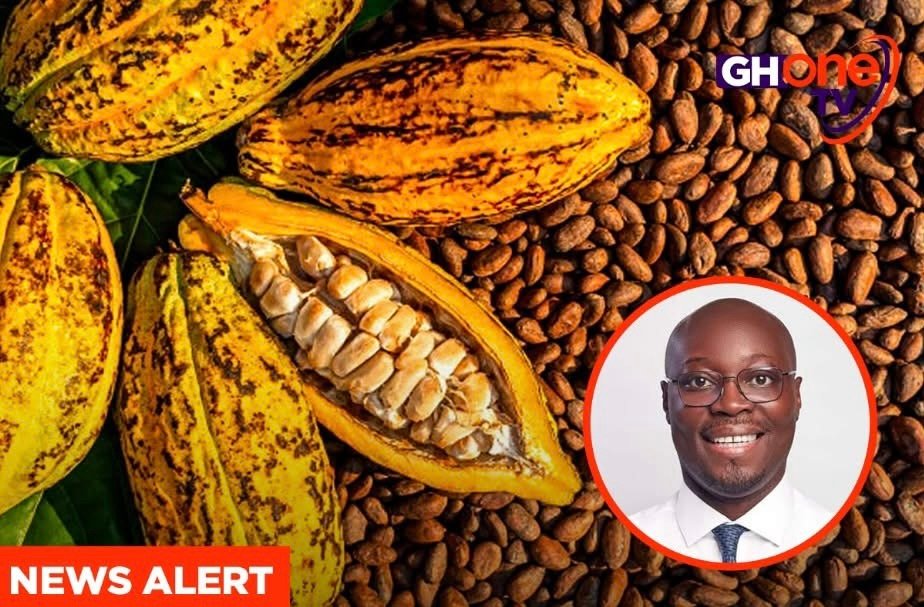
The government has announced plans to process 100 per cent of Ghana’s cocoa locally by 2030 as part of efforts to expand domestic value addition and reduce the country’s dependence on raw cocoa exports.
Finance Minister Dr Cassiel Ato Forson announced the target during the presentation of the 2027 Budget Statement and Economic Policy to Parliament on Thursday, November 12, 2026.
Under the plan, Ghana is expected to process at least 50 per cent of its cocoa locally by 2028 before increasing the proportion to 100 per cent by 2030, completing the transition towards a ban on raw cocoa exports.
“Ghana will process at least 50 per cent of its cocoa locally by 2028 and 100 per cent by 2030, completing the transition towards a ban on raw cocoa exports,” Dr Forson told Parliament.
The government intends to expand the country’s domestic processing capacity beyond primary grinding to include the production of cocoa liquor, butter, cake and powder, as well as chocolate, cosmetics and other finished products.
The initiative is expected to enable Ghana to retain a greater share of the economic value generated from its cocoa industry by expanding local manufacturing and creating opportunities across the value chain.
Emphasising the importance of domestic value addition, Dr Forson said: “The country that grows the bean must retain a far greater share of the industry built around it.”
He added that Ghanaian enterprises, researchers, brands and skilled workers must participate more actively in the cocoa value chain.
The cocoa processing target forms part of the government’s US$3 billion Commercial Agriculture pillar under the broader New Economy Programme, which seeks to strengthen domestic production, expand agro-processing, reduce imports and create employment opportunities.
The government says the wider agricultural programme will focus on eight integrated industries, including rice, sugar, poultry, maize and soya feed, aquaculture, oil palm, vegetables and cocoa value addition.