The New Patriotic Party (NPP), at a pivotal crossroads in its political journey, convened its National Delegates Conference on Saturday, July 19, 2025. Held under the banner “Rebuilding Together With Our Values,” this gathering was not merely a routine convergence of party faithful; it was the beginning of a soul-searching mission in the wake of the party’s devastating 2024 electoral defeat.
Yet, in a moment that demanded collective introspection, solidarity, and above all, visible leadership, the conspicuous absence of the party’s two living former presidents, John Agyekum Kufuor and Nana Addo Dankwa Akufo-Addo, casts a long, unforgiving shadow over the proceedings.
At a time when the NPP must demonstrate resolve and unity, the absence of these two towering figures sent a conflicting and troubling message to the base of the party, to the rank and file, and to the Ghanaian electorate watching keenly. Their failure to attend, whether due to travel or scheduling, undermined the symbolic strength the conference sought to project. It was, quite frankly, a squandered moment to show a united front at the topmost echelons of party leadership.
More than 5,000 delegates from across the nation gathered at the University of Ghana Stadium in Accra, seeking not only direction but reassurance. The conference was their chance to turn the page, a chance to reshape internal structures, heal post-primary wounds, and mobilize grassroots energy. It was the first true reckoning since the party’s fall from power, and it should have marked the beginning of an honest, collective rebuilding process.
Instead, the event unfolded under the weight of a symbolic absence. Nana Addo Dankwa Akufo-Addo, the immediate past President and central figure of the NPP’s recent political legacy, could not make it back to the country. In his place, a statement was read by former Chief of Staff, Frema Osei Opare, a move many saw as perfunctory and detached. A pre-recorded video message or virtual address could have at least conveyed his continued presence, interest, and commitment to the reformation of the party he led for over a decade; a party which indeed made him fulfil a long-held dream of being President of Ghana.
This was more than a procedural lapse; it was a lost chance to begin mending deep fractures within the party’s foundation. Delegates, many of whom have borne the brunt of the party’s electoral defeat, deserved the humility of acknowledgement and the strength of leadership presence.
Equally alarming was the absence of former President John Agyekum Kufuor, the gentle giant, a statesman whose voice still holds weight across the political spectrum. Recent remarks by Kufuor about being sidelined by his own party should have prompted a swift reconciliation and a conscious effort to honor his legacy at this crucial gathering. Instead, a dated video clip from the June 25 launch of the Patriotic Institute was played, a clip that failed to reflect the current urgency of healing within the NPP. The moment demanded sincerity. It demanded fresh and direct engagement. It got neither.
Let it be clear: this conference was not just another event on the party’s calendar; it was the launchpad for political resurrection. The 2024 loss was not ordinary. It was crushing, and it left behind bitter divisions, particularly around the party’s upcoming presidential primaries slated for January 31, 2026. The optics of unity matter now more than ever. The symbolic image of all three generations of NPP leadership, Kufuor, Akufo-Addo, and Dr. Bawumia standing together, would have gone a long way in signaling a new dawn. Unfortunately, that image never materialized. This image would have carried more weight than screaming “The elephant is a winning symbol.”
As the NPP looks ahead to 2028, it must not underestimate the value of leadership accountability, reconciliation, and visibility. The healing process cannot begin in earnest if those most responsible for shaping the party’s past are not actively helping shape its future.
The time for half-measures is over. If the NPP is to reclaim the trust of its base and indeed, the Ghanaian people, it must confront its internal divisions with courage and foresight. And it must ensure that its most senior statesmen are not sidelined when their wisdom and symbolic presence are most needed.
The 2025 Delegates Conference may have launched the party’s structural review, but without the physical and moral presence of its key living architects, the call for unity rang hollow. This was a missed opportunity of historic proportions, and the cost of such missteps may well echo into 2028.
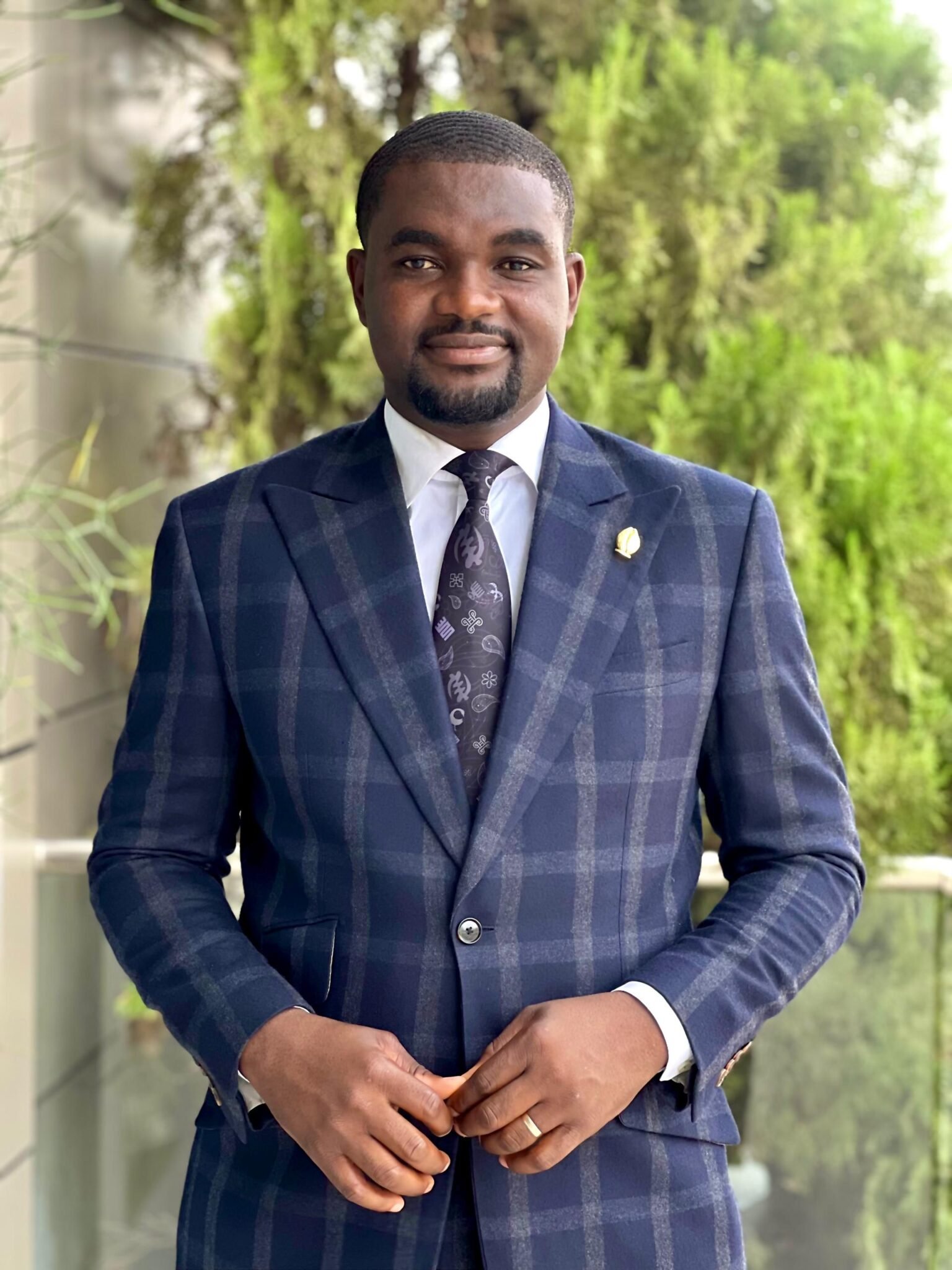
The author, Joshua Kodjo Mensah is a senior Broadcast Journalist with EIB Network, Host of current affairs show, State of Affairs and morning show host on GHOne TV and Starr 103.5FM. He can be reached via kodjomensah365@gmail.com.