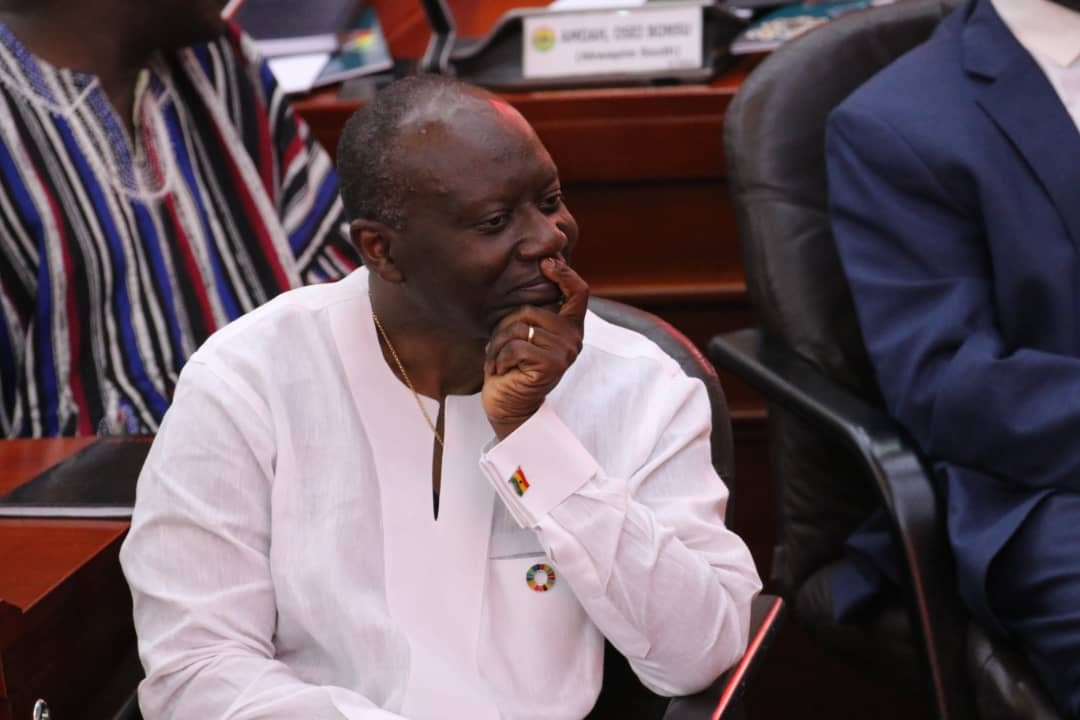
Former Attorney General and leading member of the New Patriotic Party (NPP), Ayikoi Otoo, has criticized the Special Prosecutor’s handling of the case involving former Finance Minister Ken Ofori-Atta.
Speaking on Morning Starr with Naa Dedei Tettey, he questioned the legality and necessity of repeatedly declaring Ofori-Atta wanted when he has not been formally charged with any offense.
Ayikoi Otoo argued that the proper legal process should be followed, stating that if the Special Prosecutor (OSP) has a case against Ofori-Atta, he should be charged and put before a court rather than being subjected to public declarations.
“You arrest somebody who is committing an offense before you. You cannot say, ‘I’m going to ask for a warrant, then come and arrest you.’ If you don’t have any arrest warrant and you have not charged the man with any offense, you should stop declaring him wanted,” he asserted.
The former Attorney General also criticized what he described as a pattern of public relations tactics by the OSP, likening it to the approach of the outgone Inspector General of Police.
“He runs to the press anytime he faces difficulty or a ruling goes against him. The best legal practice would be to go on appeal and let the law take its course,” he noted.
In response to Ofori-Atta’s legal challenge against the OSP, the Special Prosecutor has maintained that if the former Finance Minister does not present himself by June 2, 2025, he will be re-declared wanted. However, Ayikoi Otoo insists that due process must be followed.
“You know where the person is; he indicated that he was going for medical treatment and got permission. If you have a case, charge him, and if he refuses to appear, try him in absentia,” he argued.
He further emphasized that an accused person has the constitutional right to remain silent and that the OSP should either proceed with prosecution or stop making public declarations.
“What is this obsession with declaring someone wanted? If there’s a case, charge him and take him to court. If not, let it be,” he concluded.