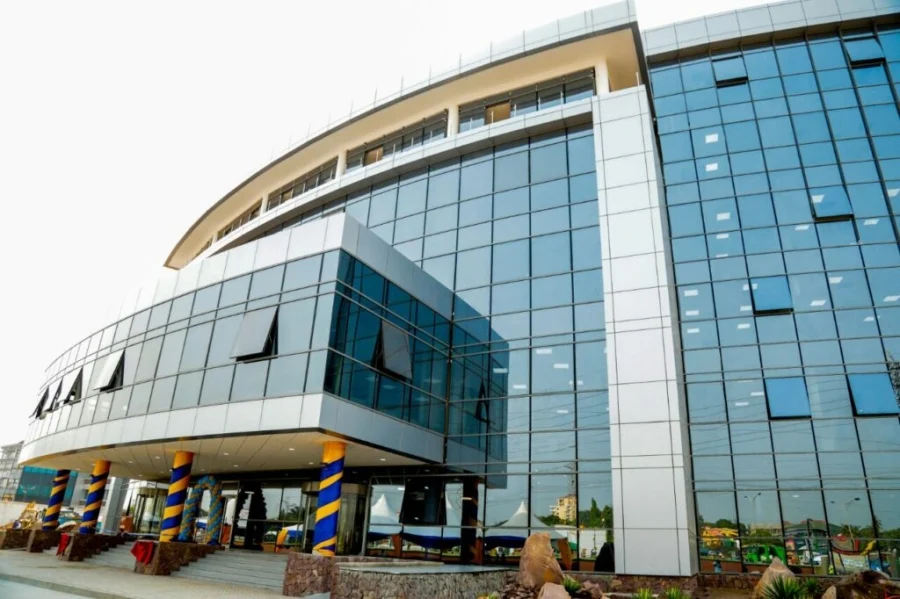
The 24-Hour Economy Authority and the National Petroleum Authority have signed a Memorandum of Understanding (MoU) aimed at supporting Ghana’s transition to a 24-hour economic system, with a key focus on the downstream petroleum sector.
The agreement seeks to establish a coordinated framework to ensure round-the-clock operations across fuel stations, refineries, and petroleum logistics systems, in line with government’s broader economic transformation agenda.
Under the MoU, the NPA will develop and enforce operational readiness standards covering areas such as lighting, security, staffing protocols, digital fuel monitoring, and fire safety across the sector.
The 24-Hour Economy Authority, on the other hand, will help create the enabling environment, including coordinating security support and inter-agency collaboration for certified operators.
READ: President John Mahama signs five bills into law
A key component of the plan is to ensure that the petroleum sector is able to support Ghana’s expanding industrial base, including agro-processing, manufacturing, and logistics. Authorities say a reliable, 24-hour fuel supply is critical to sustaining these sectors.
Speaking on the partnership, Presidential Adviser on the 24-Hour Economy and Accelerated Export Development, Augustus Goosie Tanoh, according to a statement by NPA said, , “The programme is not only asking operators to stay open longer. We are building the enterprises and industrial capacity that will create growing demand for these services. To the factory owner in Tema, the trader in Tamale, the transport operator on the Accra-Kumasi corridor, the message is simple. If you are ready to grow, we are building the system to support you.”
The Chief Executive of the NPA, Godwin Kudzo Tameklo, also noted that the partnership aligns with the regulator’s mandate to ensure safety, efficiency, and compliance within the sector.
“This agreement aligns the NPA’s regulatory mandate with the national economic transformation agenda. We will ensure that the standards for 24-hour operations are clear, enforceable, and designed to protect workers, consumers, and critical infrastructure,” he said.
The initiative will begin with a nationwide pilot phase covering about 10 percent of the downstream petroleum sector, with immediate emphasis on security deployment. The NPA has already set up a steering committee and technical sub-committees to oversee preparations.
The partnership brings together key stakeholders, including oil marketing companies, bulk distributors, transport unions, security agencies, and regulatory bodies, in a coordinated effort to modernise Ghana’s energy and economic infrastructure.
The 24-Hour Economy programme is expected to boost productivity, create jobs, and support Ghana’s drive toward a more competitive and export-oriented economy.
Source: Starrfm.com.gh