Ghana’s journey in the 2025 Unity Cup came to a disappointing end on Wednesday evening, following a 2-1 defeat to long-time rival Nigeria at the Gtech Community Stadium in London.
Head coach Otto Addo opted for a largely experimental lineup, resting several senior players in favour of emerging talents. The youthful Black Stars side struggled to settle into the game early on, a vulnerability Nigeria wasted no time exploiting.
Striker Cyriel Dessers gave the Super Eagles the lead in the 14th minute, pouncing on a costly slip by Ghanaian defender Razak Simpson, who lost his footing while attempting to clear a cross. Dessers calmly slotted home to put Nigeria ahead.
Despite the early setback and eventual loss, the night wasn’t without it’s bright spots, especially for those looking to Ghana’s footballing future.
One of the most exciting performances came from 19-year-old winger Christopher Bonsu Baah, whose fearless, direct style caused endless problems for Nigeria’s full-backs. Baah’s tenacity and flair offered a rare spark for Ghana and gave fans a glimpse of what true wing play could look like again for the national team.

It was Baah who had Ghana’s first real attempt on goal, pouncing on a sloppy Nigerian pass in the first half to test the goalkeeper. Though he didn’t get on the scoresheet, his energy and confidence were undeniable.
Equally impressive was Caleb Yirenkyi, a teenage midfielder from Danish side Nordsjaelland. Deployed in an unfamiliar full-back role, Yirenkyi didn’t just hold his own he thrived. He drifted into central areas, drove the ball forward with purpose, and consistently looked to create chances.

Though he missed a couple of late opportunities after bursting into the box, his all-action display was a standout. Yirenkyi’s emergence as a fearless, ball-carrying midfielder could prove vital to Ghana’s rebuilding phase.
Another positive was the tireless shift from Brandon Thomas-Asante, who chased down every loose ball and pressed relentlessly, embodying the kind of grit the Black Stars will need moving forward.
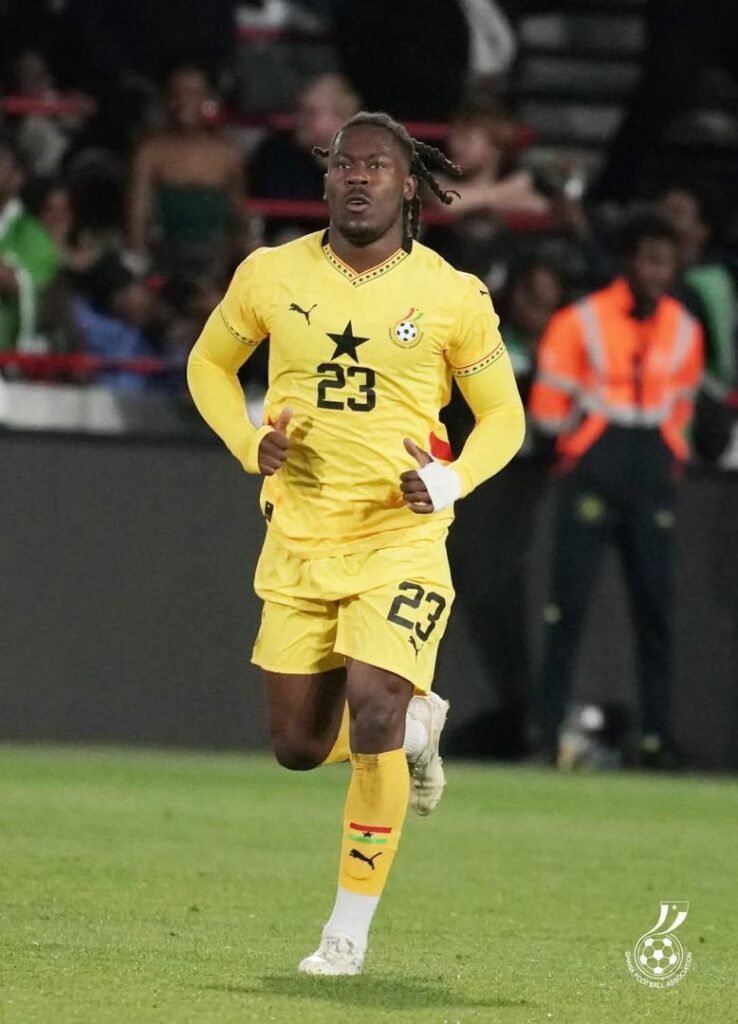
However, for all the individual promise, the team as a whole looked sluggish, particularly in the first half. End-of-season fatigue was written all over the squad, with some players arriving off the back of long, draining club campaigns and others lacking match sharpness.
The midfield lacked cohesion, the press was disjointed, and Ghana’s defence often looked overwhelmed by Nigeria’s quick transitions. Kwame Opoku, leading the line, barely had a sniff at goal, with Nigeria’s defenders comfortably dominating the space behind him.
The contrast in energy between both teams was stark. Just 24 hours earlier, videos of the Ghana squad dancing enthusiastically in their hotel had fans optimistic. But on the pitch, that same fire was absent.
Nigeria exploited Ghana’s lack of structure and urgency, pressing high and springing counterattacks with precision. While Ghana improved slightly in the second half, the early damage had already been done.
Though the result stings, the Unity Cup provided a crucial testing ground for Ghana’s next generation. Baah, Yirenkyi, and Thomas-Asante all showed they could be key figures in the Black Stars’ future.
With the right development and integration, Ghana may look back at this defeat not with disappointment but as the beginning of a renaissance.
Source: Ghana/Starrfm.com.gh/Christian Kobby Quarshie