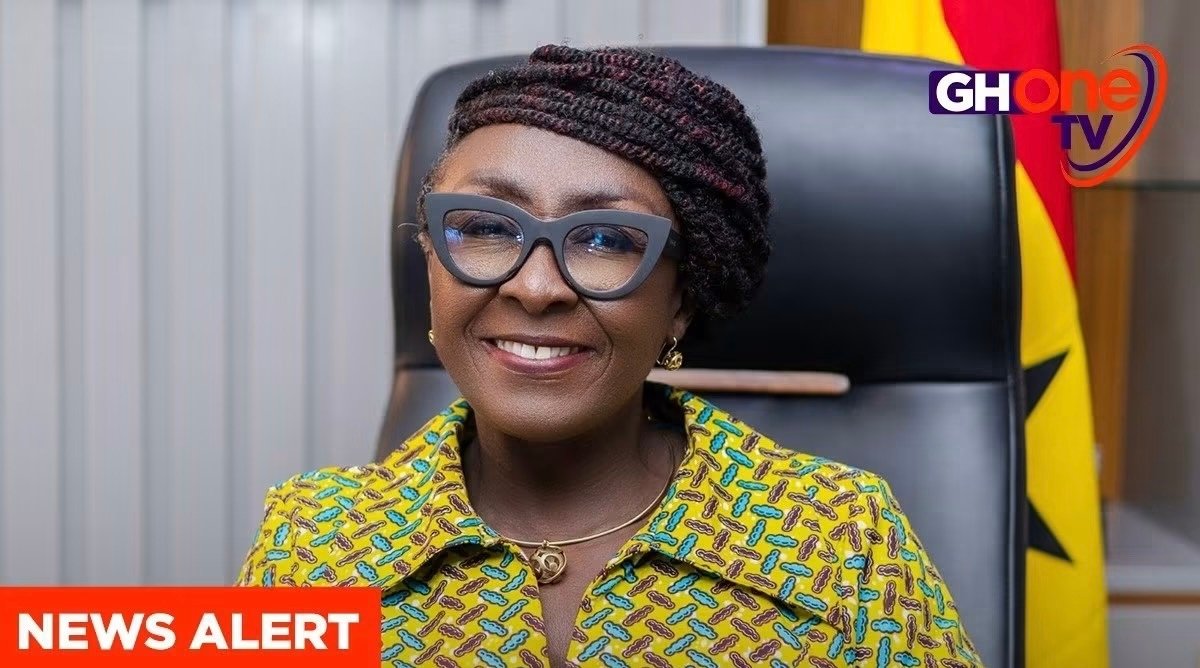
The Ministry of Tourism, Culture and Creative Arts is set to intensify efforts to promote and preserve Guan culture, heritage and traditions as part of the implementation of Ghana’s 2026 Cultural Policy.
Guans are believed to be first settlers in present day Ghana.
Currently, the Guan people can be found in twelve regions in Ghana: Oti, Northern, North East, Savannah, Bono, Ahafo, Central, Western North, Western, Eastern, Volta, and Brong Ahafo Regions.
However, some of the Guan people were assimilated into the cultures of the major ethnic groups in the various regions of today. Thus, indigenes of Kpeshie in Greater Accra, Nzema, Sefwi, and Ahanta in the Western and Western North region also trace their roots to Guan people.
The indigenes of most of the Fantes in the central region, including Asebu, Edina (Elmina), Shama, Oguaa (Cape Coast), Aguafo, Assin, and Agona, can also trace their origins from Guan.
Despite the significant historic importance of the guan people, their culture and language are facing extinction .
Speaking at the 30th anniversary celebration of the Guan Congress held at Anum in Eastern Region on Saturday August 16, the Minister for Tourism, Culture and Creative Arts, Abla Dzifa Gomashie, said the Ministry would undertake a number of initiatives aimed at strengthening cultural institutions and positioning Guan heritage as an important component of Ghana’s tourism and creative industries
She said the Ministry would support Guan communities through policy interventions, capacity building and cultural tourism promotion.
She announced plans to map Guan heritage sites and festivals for inclusion in national tourism circuits, creating opportunities for the communities to benefit from Ghana’s growing cultural tourism sector.
The Ministry, she said, would also collaborate with traditional authorities to safeguard sacred sites, oral histories and indigenous language systems. She explained that the initiatives are intended to make culture a driver of inclusive economic growth and national cohesion.
She encouraged Guan communities to take advantage of programmes that would be rolled out by the Ministry and its agencies under the cultural policy.
The Minister further disclosed that the Bureau of Ghana Languages, an agency under the Ministry, was ready to work with Guan communities to develop orthographies to preserve their indigenous languages for future generations.
She said the Bureau had already launched four orthographies and was expected to launch three more before the end of the year.
Dzifa Gomashie stressed that government interventions alone would not be sufficient to preserve indigenous languages, urging Guan communities to actively speak and teach their languages to children.
“Languages die and new languages develop. We must make a decision to speak our language… if you don’t use it, you lose it,” she said.
GH¢100,000 Support for Guan Congress
As part of the celebration, the Minister, on behalf of President John Dramani Mahama who is also a Guan presented GH¢100,000 to the Guan Congress to support its activities.
The 30th Guan Congress was held under the theme, “Harmonising Resources in Guan Communities for Inclusive and Sustainable Development.”
Madam Gomashie said the theme was timely, stressing the need for Guan communities to harness their cultural, natural and human resources towards common development goals.
She identified the integration of cultural heritage into tourism and creative industries, the empowerment of women and young people, and environmental protection as some of the areas requiring collective action.
The Deputy Minister of Finance and Member of Parliament for Asuogyaman, Thomas Nyarko Ampem, urged members of the Guan community to take pride in their heritage and strengthen unity despite being scattered across different parts of the country.
He noted that the geographical dispersion of Guan communities should not prevent them from working together to promote their common identity and marriages among themselves.
He said the Congress provided an important platform for members to reconnect, learn from one another and strengthen their collective efforts towards development.
Source: Starrfm.com.gh