


A coalition of civil society organisations (CSOs) led by ActionAid Ghana is calling on government to take stronger action against illicit financial flows (IFFs), asserting that recovering lost public funds is vital to achieving equitable and inclusive development in the country.
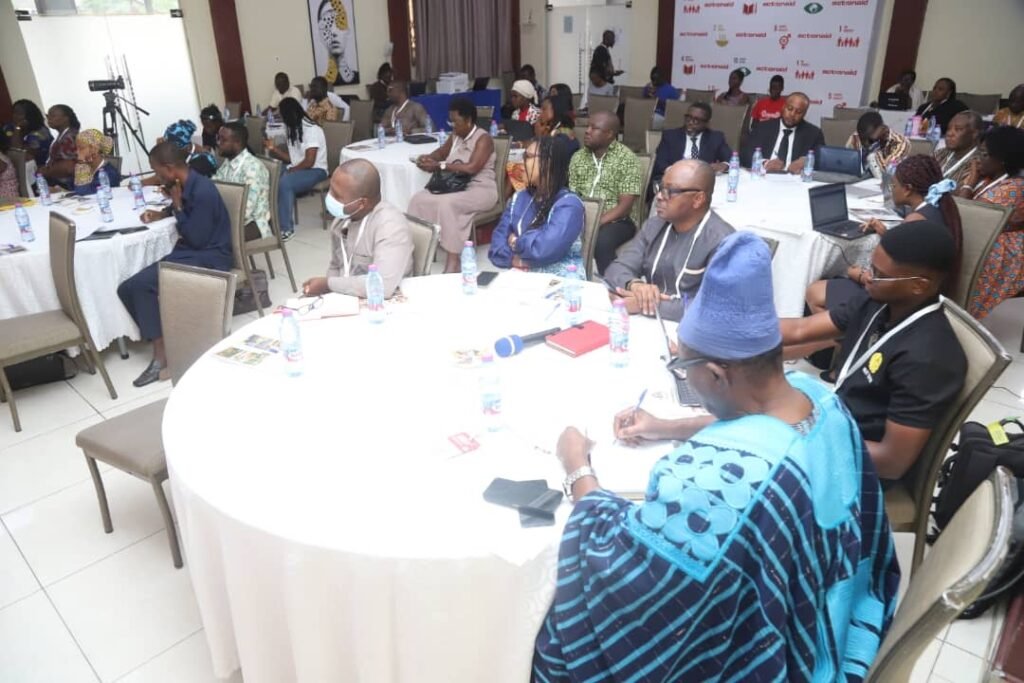
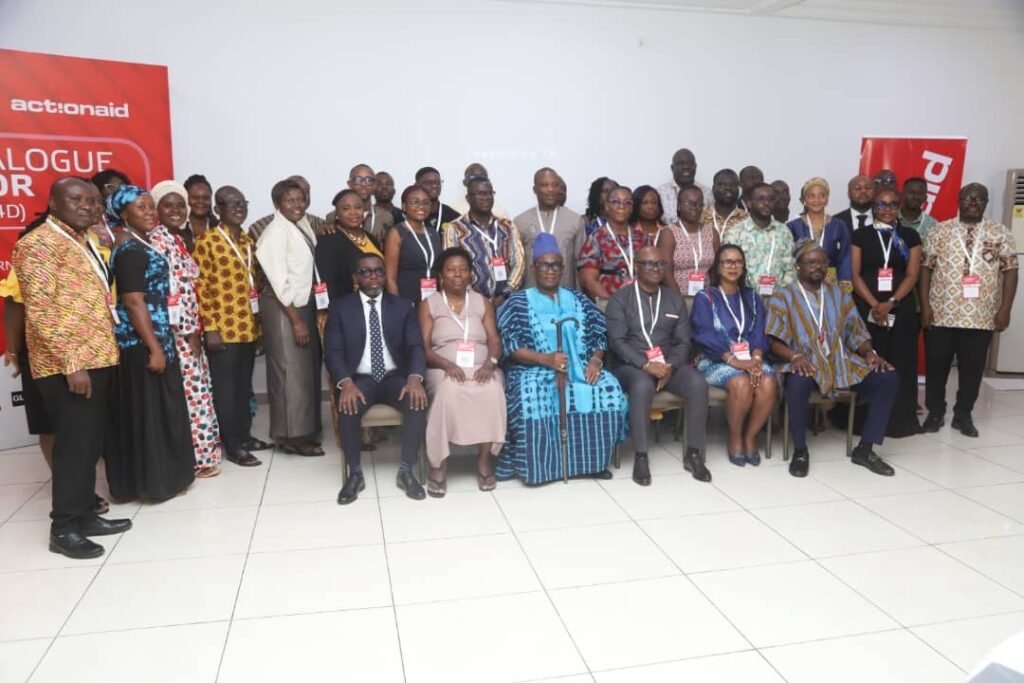
The call was made during a Civil Society Dialogue on Financing for Development (FfD) held in Accra on Friday, June 20, 2025.
Addressing the forum, Country Director of ActionAid Ghana, John Nkaw stressed the need for greater fiscal transparency, accountability, and improved domestic resource mobilization to tackle entrenched inequalities.
“No nation can thrive when its schools are overcrowded, its clinics under-resourced, and its social safety nets non-existent. We must put people—especially women and girls—at the centre of our development agenda,” Mr. Nkaw stated.
He urged the government to implement progressive tax reforms that ensure the wealthy and multinational corporations contribute their fair share, while protecting vulnerable populations from excessive tax burdens.
Mr. Nkaw also stated the need for climate-responsive fiscal policies that support green, inclusive growth and highlighted the growing global debt crisis. He noted that over 50 countries are currently struggling to maintain essential public services such as healthcare, education, and access to clean water due to debt pressures.
“In the current global context, financing for development has become more critical than ever. We must invest in people-centered, locally grounded initiatives—especially gender-responsive public services like education, school feeding programs, and affordable healthcare. Prioritizing investment in rural health facilities is key to making healthcare accessible for all,” he added.
Mr. Nkaw identified illicit financial flows and corruption as significant obstacles to sustainable development financing, citing the diversion of public resources that could otherwise be used to recruit essential workers like teachers and nurses.
“We urge the government and all stakeholders to take immediate action to close the loopholes that enable IFFs. Strengthening anti-corruption frameworks and increasing transparency are vital to ensuring public funds are used effectively,” he said.
In addition, he called for strategic and purposeful engagement with bilateral and multilateral partners to ensure financial inflows into Ghana are managed wisely and invested in long-term, impactful development initiatives.
Head of Capacity Development at the West Africa Civil Society Institute (WACSI),Charles Kodjo Vandjick, also warned that rising IFFs and unsustainable debt levels are severely limiting governments’ capacity to fund critical development programs.
“Governments are trapped in a global financial system that promotes borrowing and allows debt rollovers indefinitely. As public deficits grow, private sector entities—such as multinationals, equity funds, and financial institutions—hold the power,” he cautioned.
The dialogue brought together stakeholders from across civil society and government, including representatives from PPAG, the Ministry of Energy and Green Transition, OXFAM, CARE, Plan International, ISODEC, ABANTU for Development, NETRight, Ghana Integrity Initiative, Amnesty International, Catholic Relief Services, Tax Justice Network, and WACSI.
Held under the theme “Reviewing Development Financing for People and Planet: A Civil Society-Government Dialogue for Systemic Reforms,” the event focused on aligning financing strategies with social equity and environmental sustainability.
Source: Ghana/Starrfm.com.gh/Benjamin Sackey


