**Austin Gamey: New Minimum Wage Is the Barest Floor — Workers Must Prioritise Lifestyle**
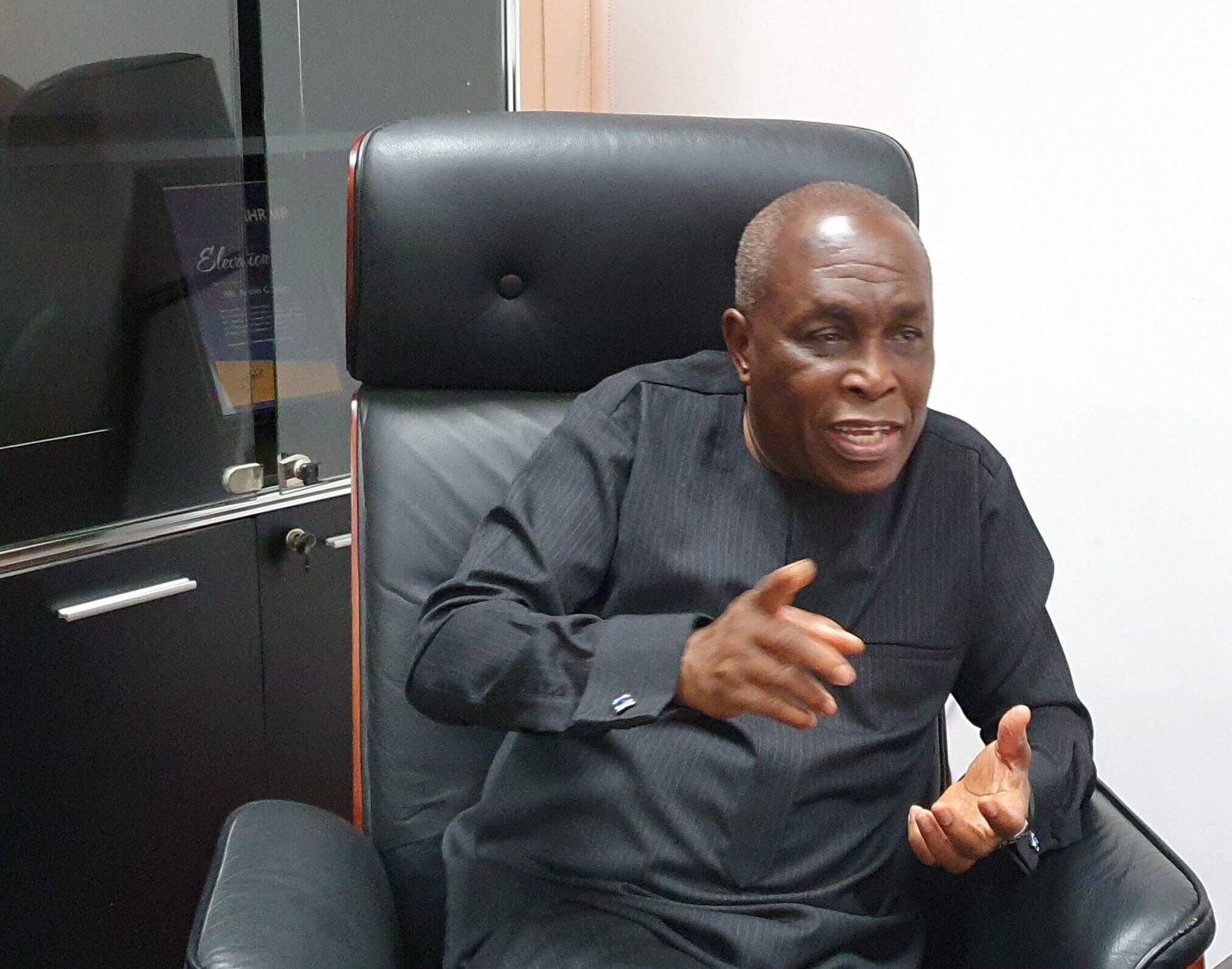
Labour analyst and consultant Austin Gamey has acknowledged public concerns that Ghana’s newly agreed national daily minimum wage may still fall short for many low-income workers, while emphasising that the figure represents only the statutory floor and that personal financial discipline remains essential.
The National Tripartite Committee on 10 November 2026 announced a two-year framework that will raise the National Daily Minimum Wage to GH¢25.04 from 1 January 2027 and to GH¢28.79 from 1 January 2028. The current 2026 rate is GH¢21.77.
The multi-year deal is intended to provide predictability for employers, workers and government while protecting incomes and supporting industrial harmony.
Responding to worries that even the projected GH¢25–28 range remains inadequate, Gamey was frank.
“To be honest with you, if they can close down Bank of Ghana and give me all the money there, I’ll take it,” he said. He noted that anyone earning at or below the national daily minimum wage will still need to manage and prioritise their lifestyle carefully.
“That is the only way you can save desperation. It may not be enough.”
He placed the rate in regional context, observing that a small number of West African countries pay around three dollars a day and that Ghana is “hovering around the base.”
Gamey stressed that the national daily minimum wage is precisely that — the barest minimum.
“Many, many, many Ghanaians are earning way, way, way above that. Few people in that bracket, who are not maybe skilled, maybe earning that. But from where I sit, I see a number of people earning far, far, far above that. So this is the barest minimum wage.”
On the question of workers still being paid below the current legal floor, Gamey said reasonable compliance is already in place.
“Reasonable compliance is on now, as you speak. It may not be hundred percent because there are recalcitrant people all the time in the society.”
He identified some shopkeepers and small-scale companies as more likely to fall short, while noting that the majority of formal employers are at or slightly above the minimum.
Workers in weaker positions, he suggested, can improve their situation by organising and seeking support, while individuals who manage their own lifestyle carefully “should be able to go.”
Source: Starrfm.com.gh