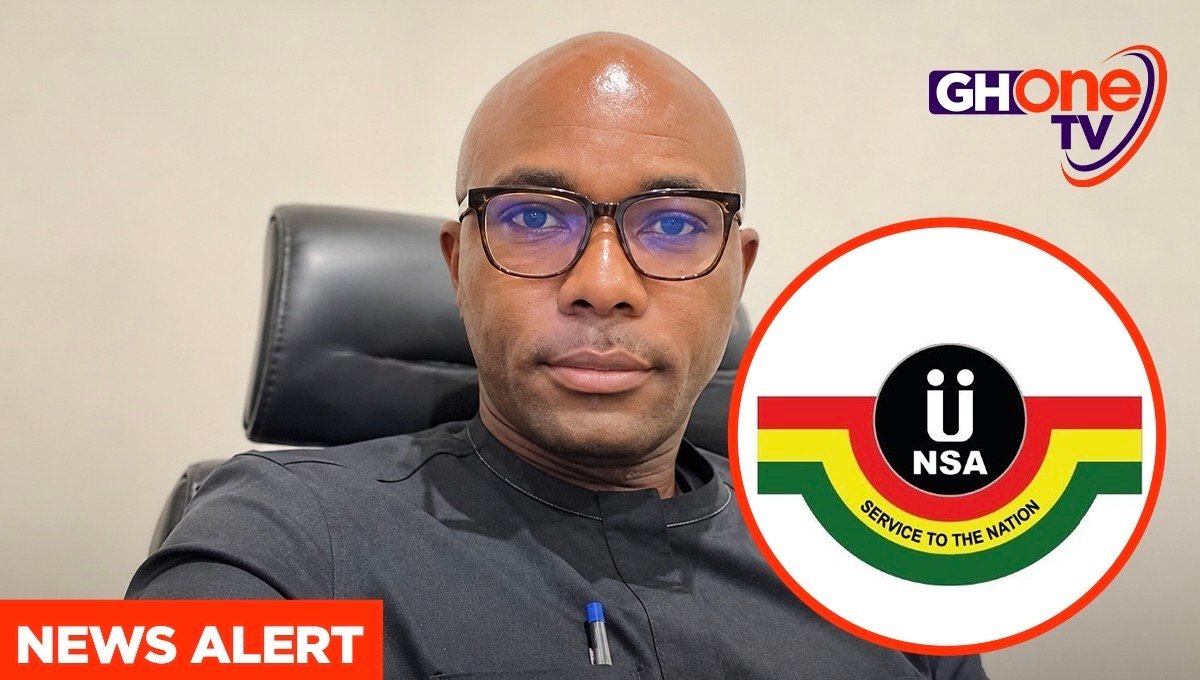
The Lead Investigator in the case in which former National Service Authority (NSA) Gifty Oware-Mensah is standing trial for her alleged involvement in the NSS ghost names scandal has told the High Court that investigations revealed that 63,673 faceless names on the Central Management System (CMS) who received allowances for no work done.
This according to him, was detected after the investigators conducted an analysis of the entire Central Management System after noticing that no one had complained to the National Service Scheme about deductions made for items not received.
Detective Sergeant Collins Woode, the 4th Prosecution Witness, made this known while being led by the Director of Public Prosecution, Yvonne Atakora Obuobisa, to give his evidence-in-chief to the trial Court.
Gifty Oware-Mensah, former Deputy Executive Director of the NSA, is standing trial over her alleged role in the ghost names scandal that rocked the Authority.
She is facing charges including stealing and wilfully causing financial loss to the state, in connection with the alleged insertion of ghost names onto the NSA payroll and the payment of allowances to persons who did not render any service.
She has pleaded not guilty to all the charges and is on bail.
Explaining how the system works on Wednesday, November 11, 2026, Detective Sergeant Woode said before a service person can receive allowance, the person must go through registration and verification.
During registration, he said, the prospective service personnel fills a form on the CMS, indicating their date of birth, National ID card details, and uploads a picture.
At the verification stage, which is done at the regional level after posting, biometric verification is conducted. If there are discrepancies between the person’s picture and date of birth, the person is flagged by the system and cannot continue with the process.
He explained that the system does not delete such flagged names but keeps them on a banned list.
If a person successfully goes through registration and verification, the person downloads an acceptance letter, proceeds to the user agency for endorsement, and then returns to the regional level to be assigned a code which gives access to the CMS dashboard for confirmation as a service person before payment is made.
He added that there is also a monthly evaluation to be done by service personnel at the regional level, and failure to do it means the person will not be paid.
The witness said any name found on the banned list which nevertheless receives a monthly allowance is a faceless person.
“Our analysis of the CMS revealed 63,673 of such list there,” he told the court.
Detective Sergeant Woode further told the court that when investigators received the total list from ADB of persons who received allowances, they decided to cross-check it against the ghost list.
He said they used “1” to represent a name on the ADB list that was also found on the ghost list, and “0” for names on the ADB list that could not be found on the ghost list.
That exercise, he said, led to a total of 7,324 names found in both the ghost list and the ADB list.
In the next file, he said, 2,610 names were also found on the ADB list but were not on the ghost list, yet those persons never complained that they had been deducted allowances for items not received.
The Court presided over by Justice Audrey Kocuvie-Tay has adjourned the case to Thursday, November 12 for lawyers of the Accused led by Garry Nimako to scrutinize the witness on his evidence.