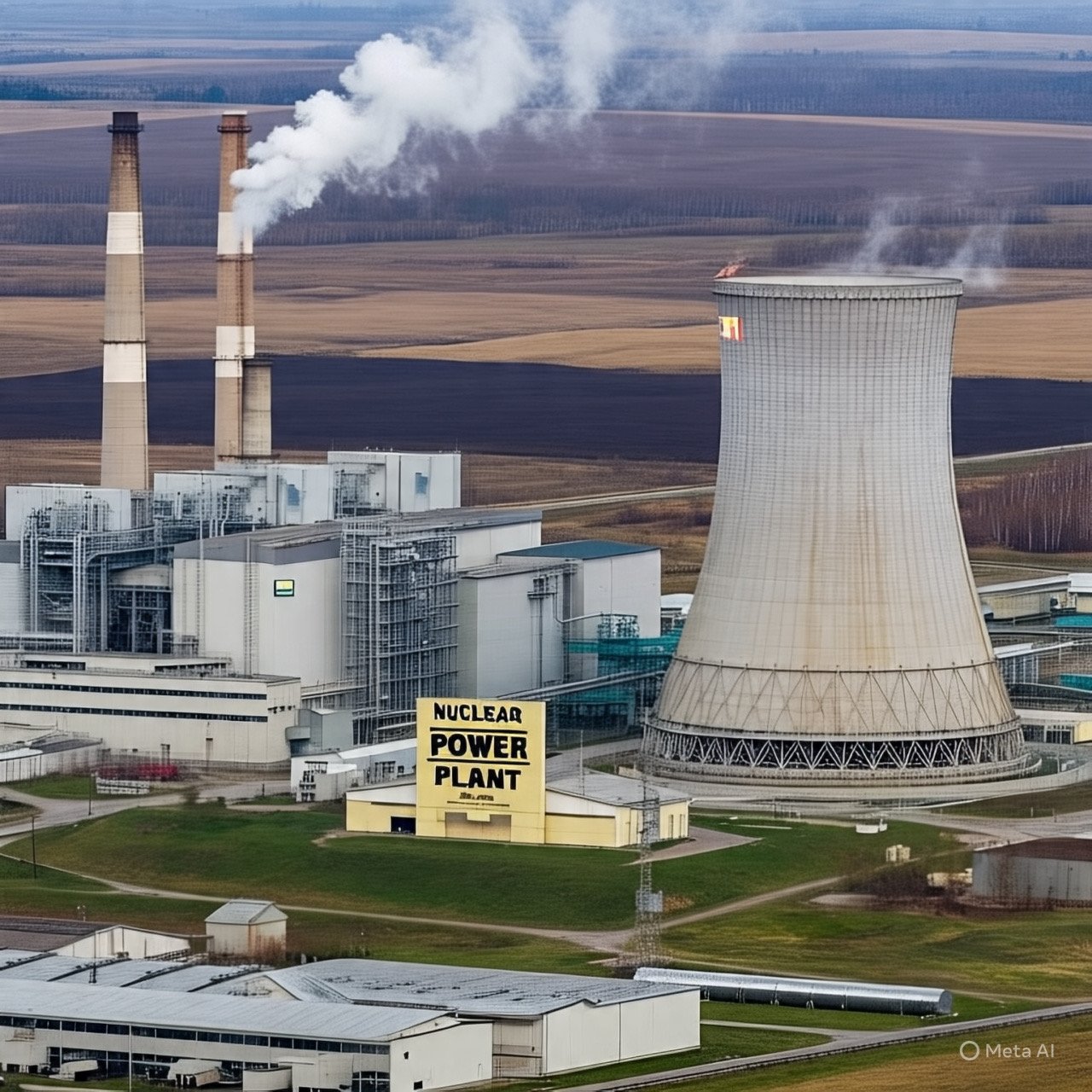
The Deputy Minister for Energy and Green Transition, Richard Gyan Mensah, has asserted that in the current era of sustainable and affordable power, the establishment of nuclear power for electricity generation is imperative for Ghana’s industrial and economic development. He emphasized that many developed countries with low production costs rely heavily on nuclear power in their electricity generation mix. The Minister made these comments at a stakeholders’ engagement on the Nuclear Power Ghana Limited Draft Bill in Accra.
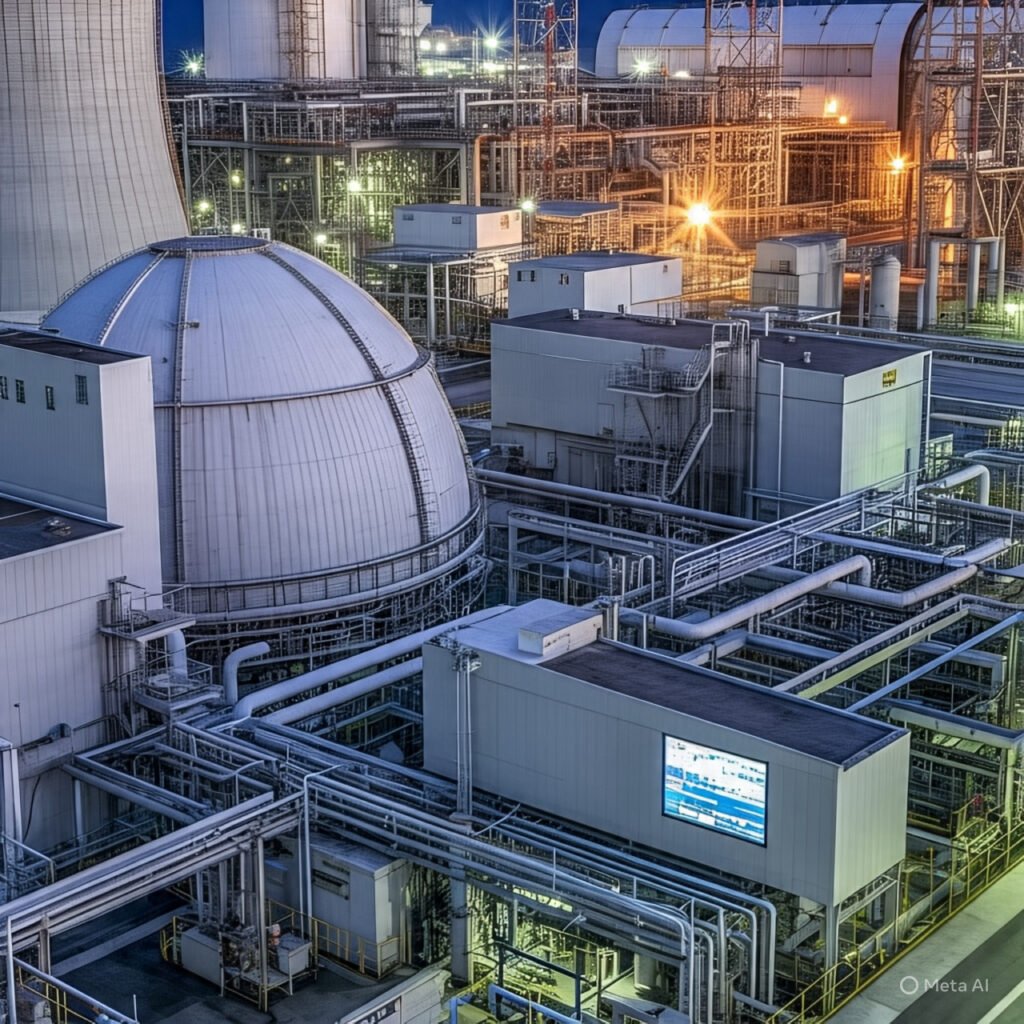
Nuclear power is a low-carbon energy source that generates electricity through nuclear fission, a process where atomic nuclei are split to release energy, heating water or gas to produce steam that drives turbines. This method offers benefits like low greenhouse gas emissions during operation, reliability, and scalability to meet large electricity demands.
The draft bill, when passed into law and assented to by the President, will establish the Ghana Nuclear Power Corporation to develop, construct, own, operate, maintain, and decommission nuclear power plants for the purpose of providing baseload electricity for social and economic development and industrial transformation. According to the Deputy Minister, this trajectory is imperative.
Meanwhile, the Chief Executive Officer of the National Petroleum Authority, Edudzi Tamakloe, stated that the adoption of nuclear power has the potential to reduce imported materials for electricity generation.
READ: We need a Science Senior High School in Nima – Ayawaso East MCE
The Executive Director of the Nuclear Power Ghana, Dr. Stephen Yamoah, elaborated on the significant gains achieved. Notably, Nuclear Power Ghana has secured a €1 million grant from the French Development Agency to enhance nuclear power capabilities, including personnel training and grid synchronization studies. This substantial investment is part of a broader agreement between Ghana and EDF-France, aimed at developing the country’s nuclear power sector. He further highlighted the installation of seismic detection equipment at the identified sites to collect data on earthquake trends for analysis as well as oceanic data gathering for the same purposes.

The stakeholders’ engagement highlighted the significance of nuclear power in Ghana’s quest for sustainable electricity and economic development.
The hurdle that now needs to be overcome to pave the way for the aggressive establishment of nuclear power plants is heavily dependent on the promulgation of the Ghana Nuclear Power Corporation bill into law. All relevant stakeholders, including the Association of Ghana Industries, civil society, academia, and others, are making a strong case for the passage of the law to facilitate the realization of nuclear power in the country’s electricity generation mix.

With the bill’s passage, Ghana can take significant strides toward diversifying its energy portfolio, reducing greenhouse gas emissions, and ensuring a sustainable energy future. The collective effort from various sectors underscores the importance of nuclear power in driving the country’s economic and industrial growth.
Source: Ghana/ Starrfm.com.gh/ Calvin Powell.