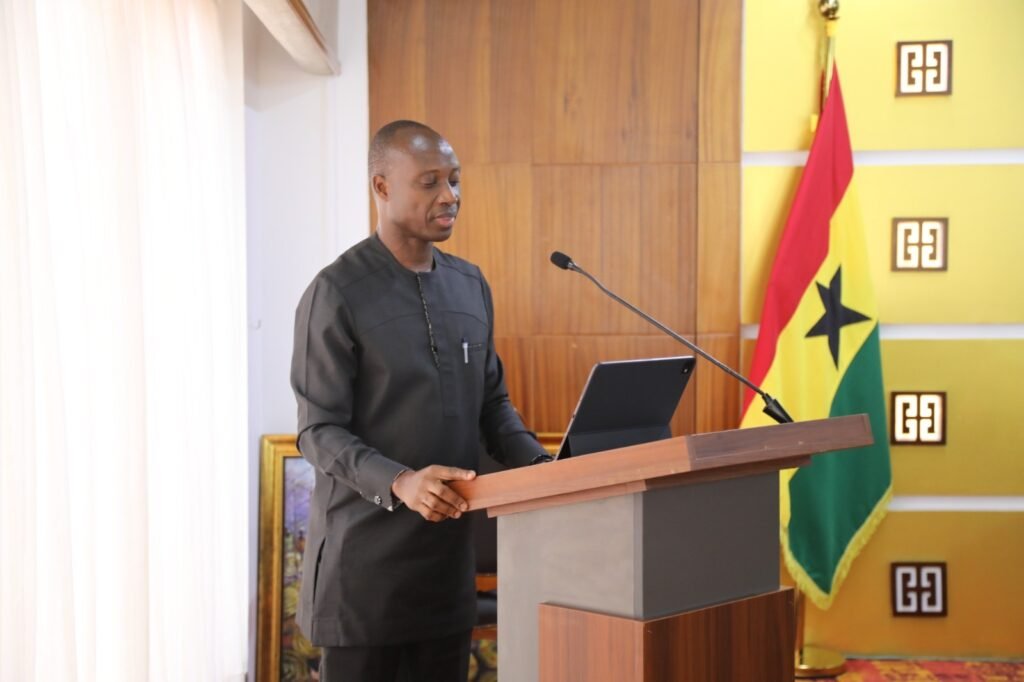
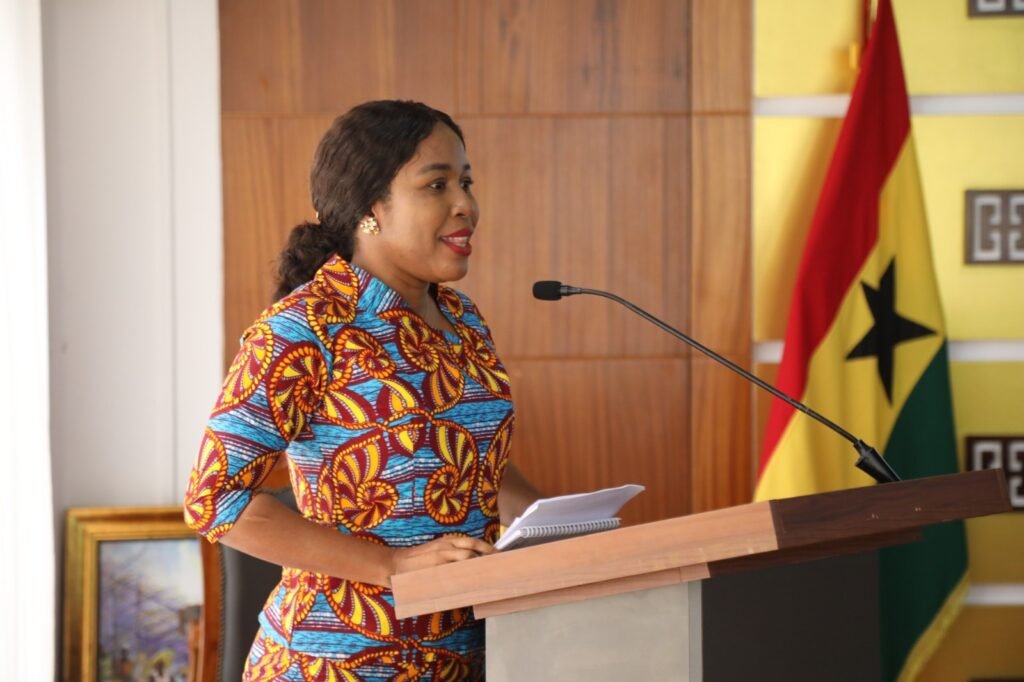
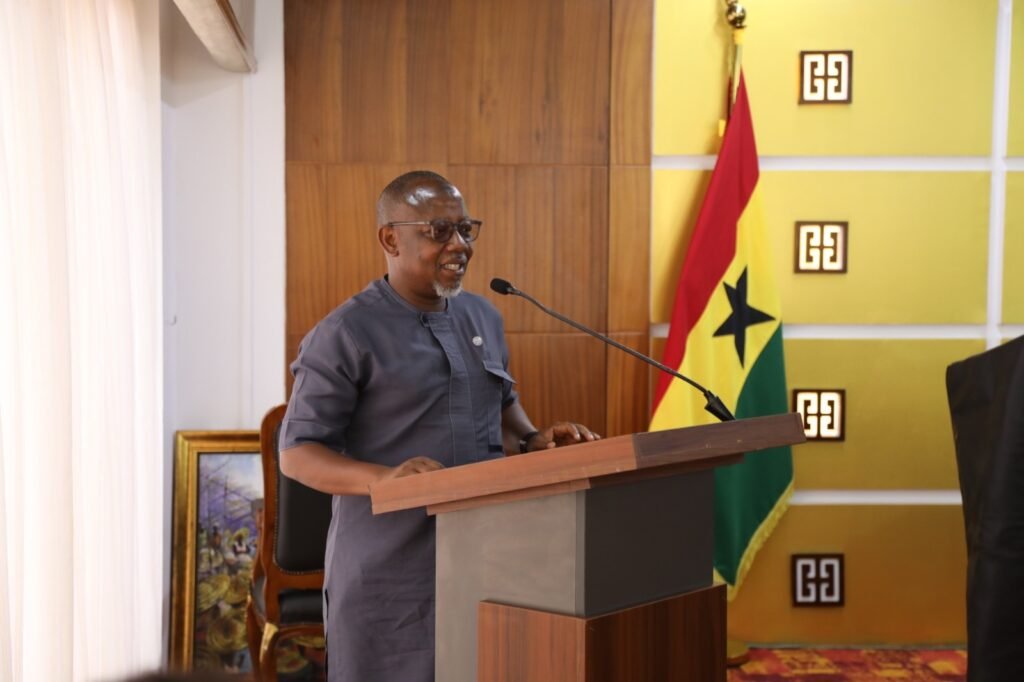
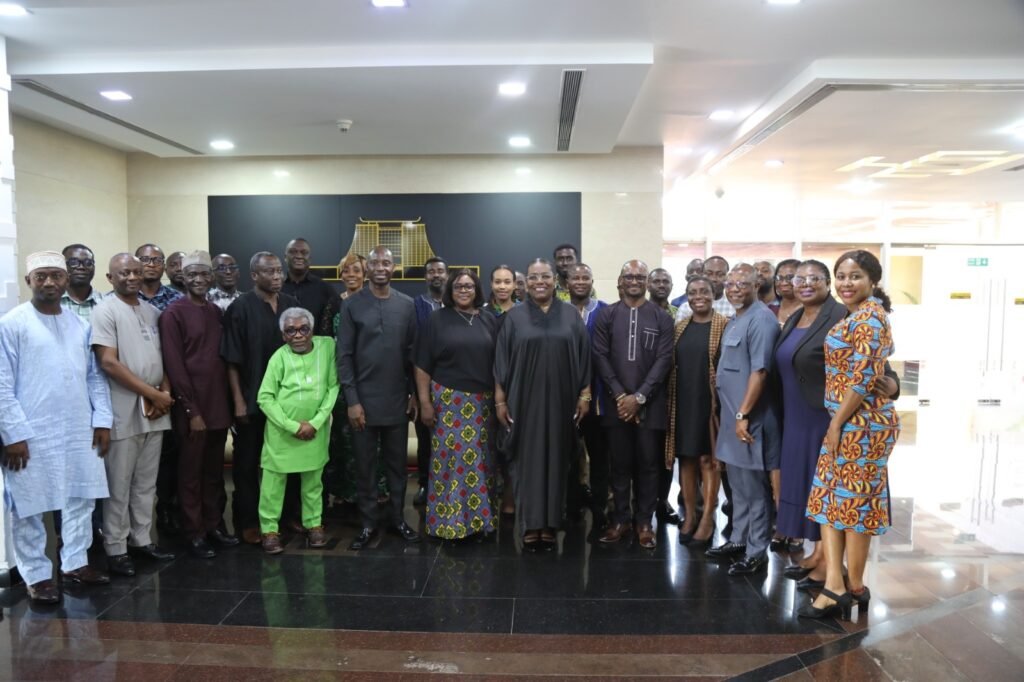
The Presidency on Friday, December 12, 2025, hosted the Ghana Statistical Service (GSS) at Jubilee House for the presentation of findings from the Governance Series Wave 2 survey, which focuses on bribery, corruption and public sector accountability.
The session, held at Jubilee House, formed part of activities marking African Statistics Day and brought together senior officials from the Presidency, accountability institutions, civil society organisations and representatives of key state agencies committed to advancing transparency and evidence-based governance.
Welcoming participants, Professor Francis Dodoo, Presidential Adviser for the National Anti-Corruption Programme, underscored the need for stronger inter-sectoral collaboration in tackling corruption. He said convening such engagements reflected a goodwill commitment to advancing the nation’s best interests.
The event was chaired by the Deputy Chief of Staff (Administration), Hon. Nana Oye Bampoe Addo, who in her keynote remarks highlighted the government’s strengthened anti-corruption drive under President John Dramani Mahama. She cited initiatives including the Operation Recover All Loot (ORAL) platform, enhanced enforcement of Auditor-General’s reports, stronger Public Accounts Committee actions and the rollout of the 2025 Code of Conduct for Government Officials.
Hon. Bampoe Addo also disclosed that the Governance Advisory Council Bill, approved by Cabinet in May 2025 after extensive consultations, has been submitted to Parliament and is expected to further strengthen good governance and integrity. She added that ongoing consultations on the second National Anti-Corruption Action Plan (NACAP II) are nearing completion, with the final draft expected to be ready for validation by December 2025.
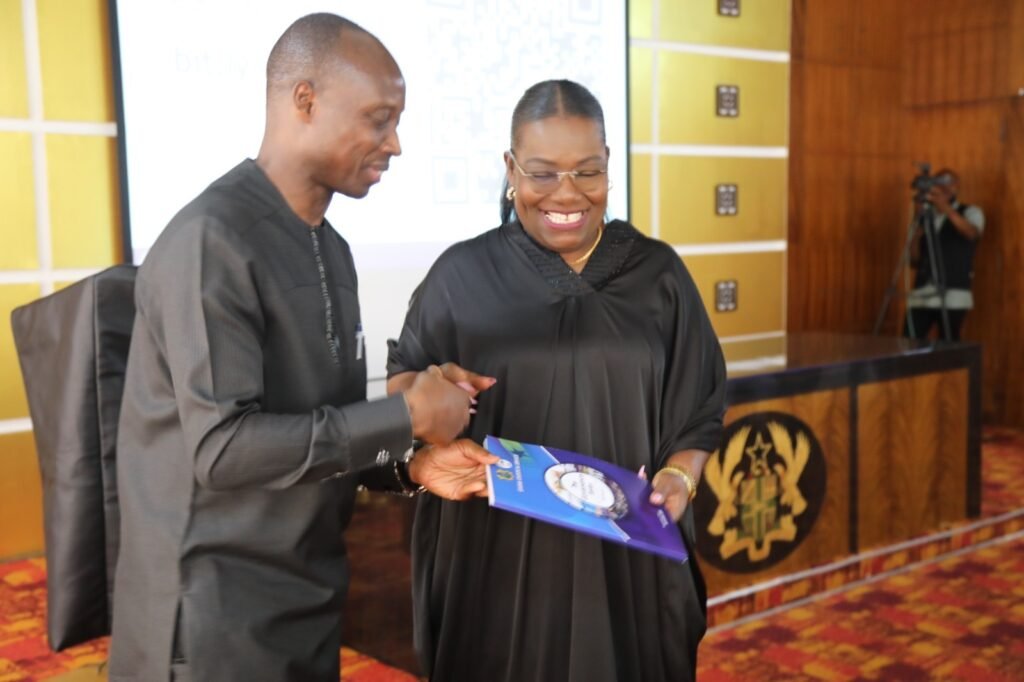
Speaking on behalf of the Presidency, she acknowledged public calls for faster and more deterrent action against corruption, while stressing that the current reforms are systematically restoring confidence in Ghana’s governance and anti-corruption architecture.
She commended the GSS for producing what she described as a rigorous second wave of the National Anti-Corruption Survey, noting that the findings offer critical insights into citizen experiences, institutional performance and the structural dynamics shaping accountability nationwide. According to her, the data goes beyond statistics and reflects the lived realities of Ghanaians, serving as a key tool for shaping effective policy interventions.
The Government Statistician, Dr Alhassan Iddrissu, together with the GSS team, presented evidence on citizen experiences and corruption hotspots, highlighting notable differences between Wave 1 and Wave 2 of the survey. The presentation pointed to a recorded decline in corruption across some sectors, signalling a reduction in bribery and improved inclusiveness and responsiveness within parts of the public sector.
In closing, the GSS team reaffirmed that the Governance Series provides a critical platform for strengthening governance mechanisms to improve citizens’ living conditions, describing the overall trajectory as a sign that the country is moving in the right direction.
The programme ended with discussions on practical reforms, alongside calls for stronger inter-agency collaboration, improved reporting systems and a renewed national commitment to evidence-based governance. The Presidency reiterated its commitment to translating insights from the Governance Series Wave 2 into actionable reforms to enhance transparency, safeguard the public purse, restore public trust and advance sustainable national development.