Media personality, Macall Mensah, has called on the Ga community to channel their energies into a more impactful advocacy for the preservation and growth of their language, urging that Ga should be made a compulsory subject in schools within the Greater Accra Region.
Speaking in an interview on Starr ShowBiz on Starr 103.5 FM on Saturday, August 30, 2025, Macall Mensah argued that the recent debate surrounding the use of “Akwaaba” instead of “Oobake” as a tourism slogan in Accra is misplaced.
According to him, while slogans and symbols are important, the real battle lies in ensuring that the Ga language is entrenched in the educational system, preserved among the youth, and widely spoken across the capital.
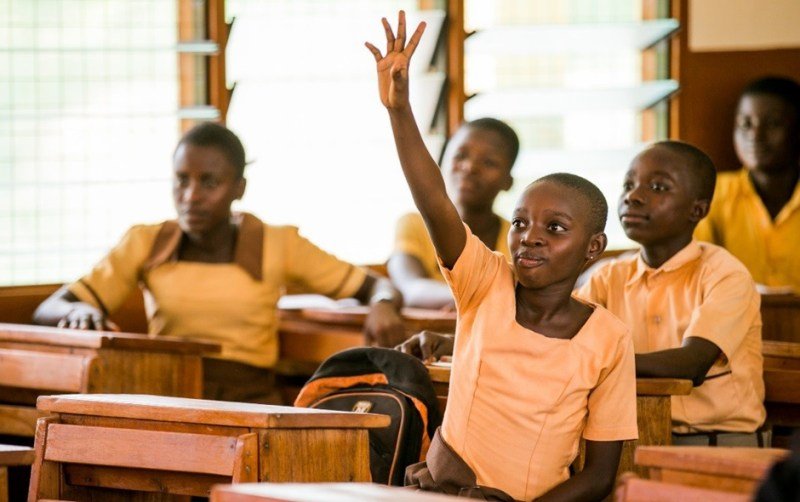
“The Ga people have every right to fight for their language to be part of every conversation. But for you to start from the welcome slogan, I think that’s the wrong path. Let’s start from making Ga compulsory in all our JHS and primary schools. Make Ga a compulsory language and clear away the dominance of Twi in Accra classrooms,” he said.
Macall Mensah lamented the fact that in most schools across Accra, Asante Twi has become the dominant Ghanaian language taught, while Ga the indigenous language of the capital has been sidelined. He contrasted this with other regions of Ghana, where local languages such as Fante, Ewe, and Dagbani are prioritized in schools over Twi.
“You don’t go to Kumasi and find schools teaching Fante or Ga as their main Ghanaian language it is Twi. In Takoradi and Cape Coast, the focus is on Fante. So why should it be that in Accra, the hub of the Ga people, the language being taught the most is Asante Twi? Why don’t we start by fighting that imbalance?” he questioned.
The media personality further encouraged Ga leaders, traditional authorities, policymakers, and civil society groups to develop a clear strategy to promote their language not only in schools but also across media platforms. He suggested that petitions be directed at radio and television stations to increase the use of Ga in their programming.
“Start fighting for your language to be heard more. Start pushing petitions for radio stations to air Ga content. That is how we will gradually build a stronger presence for Ga, not just through slogans but through real, practical measures,” he stressed.
READ: Make MUSIGA attractive to young people – Kobby Kyei
His comments add to the ongoing public discussion on the “Akwaaba–Oobake” controversy, which has sparked mixed reactions. While some Ga activists and cultural advocates have argued that the capital’s tourism campaigns should reflect its indigenous heritage by using Ga language, others have defended the use of “Akwaaba,” insisting it has become a national symbol of hospitality.
Macall Mensah, however, believes the conversation should go beyond symbols and slogans to institutional reforms that will ensure Ga language not only survives but thrives among future generations.
Source: Starrfm.com.gh