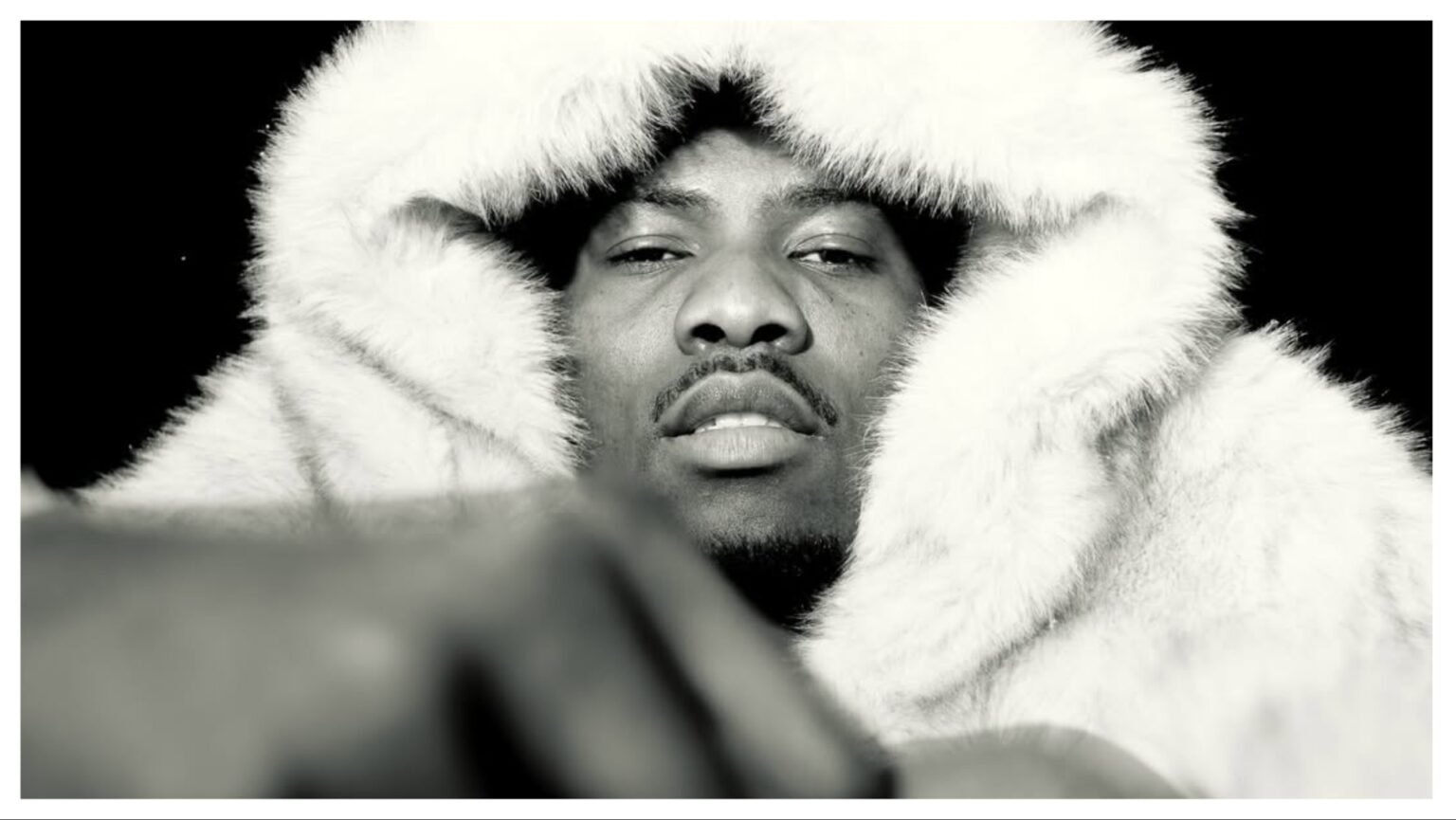
Ghanaian rapper and singer Kwesi Arthur has revealed that signing a record deal at a young age without proper legal guidance became a hard lesson in his career, as he calls for greater fairness and protection for artists across the creative industry.
Speaking in a recent interview with Wonderland Magazine, the award-winning musician said one of his key goals for the future is to build independently while using his past experiences to educate emerging talents.
“Unfortunately, I signed a deal when I was young and hungry, and I didn’t really understand the terms,” Kwesi Arthur said. “I didn’t have legal counsel or the right legal advice.”
The comments are likely to reignite discussions around the artiste’s previously reported contractual tensions with former management and record label that played a major role in launching his rise to fame.
Kwesi Arthur, born Emmanuel Kwesi Danso Arthur Junior, rose to prominence with breakout songs that helped position him among Ghana’s leading new-generation artists. However, in recent years, industry observers and fans have speculated about strained relations between the musician and the label, amid concerns over management structure, ownership rights, and career direction.
While he did not directly mention any label or specific agreement in the interview, his remarks point to the broader issue of young creatives entering binding contracts without full legal understanding.
The “Grind Day” hitmaker said he now hopes to turn that experience into advocacy for younger and even older creatives navigating the business side of entertainment.
“I want to use my experience as a lesson for other artists who are younger than me, and even older too, to just be aware and get the right guidance before they put their name on paper,” he said.
Beyond reflecting on past challenges, Kwesi Arthur said his next chapter will focus on independence, creativity, and growth.
“I want to create more music and break more boundaries. I’m focused on expanding and building something solid with the music independently,” he added.
His comments come at a time when conversations around artist contracts, royalties, ownership rights, and management transparency are growing louder across Africa’s music industry, as more musicians seek control over their catalogues and careers.
Kwesi Arthur’s statement is expected to resonate with many upcoming artists, particularly those eager for quick opportunities but lacking access to professional legal support. Industry analysts say his experience highlights the need for stronger education around contracts, publishing rights, and long-term career planning.
As Ghana’s music scene continues to gain international recognition, calls for fairer deals and better artist protection are increasingly becoming central to the future of the business.