Ghana’s sporting future is being redrawn from the ground up as the Resource Mobilisation and Partnership Committee (RMPC) of the National Sports Authority moves to build a modern, inclusive and commercially sustainable sports system—one capable of discovering talent in every constituency and carrying it all the way to the national and international stage.
In only its first week following inauguration on 14 August 2026, the Committee has moved beyond ceremony into visible action. It has opened consultations with sports federations and the media, developed major banking and transport partnership proposals, prepared engagement packages for Parliament and key ministries, and secured its first substantial in-kind contribution for grassroots sport.
That early contribution came from the Ghana–Anhui Chamber of Commerce: 600 pairs of footwear and 1,520 T-shirts, representing 2,120 items for the emerging grassroots programme. Two motorcycles were also reported separately. The support provided a tangible sign that corporate and international partners can play a decisive role in widening access to sport when public vision is matched by credible partnership.
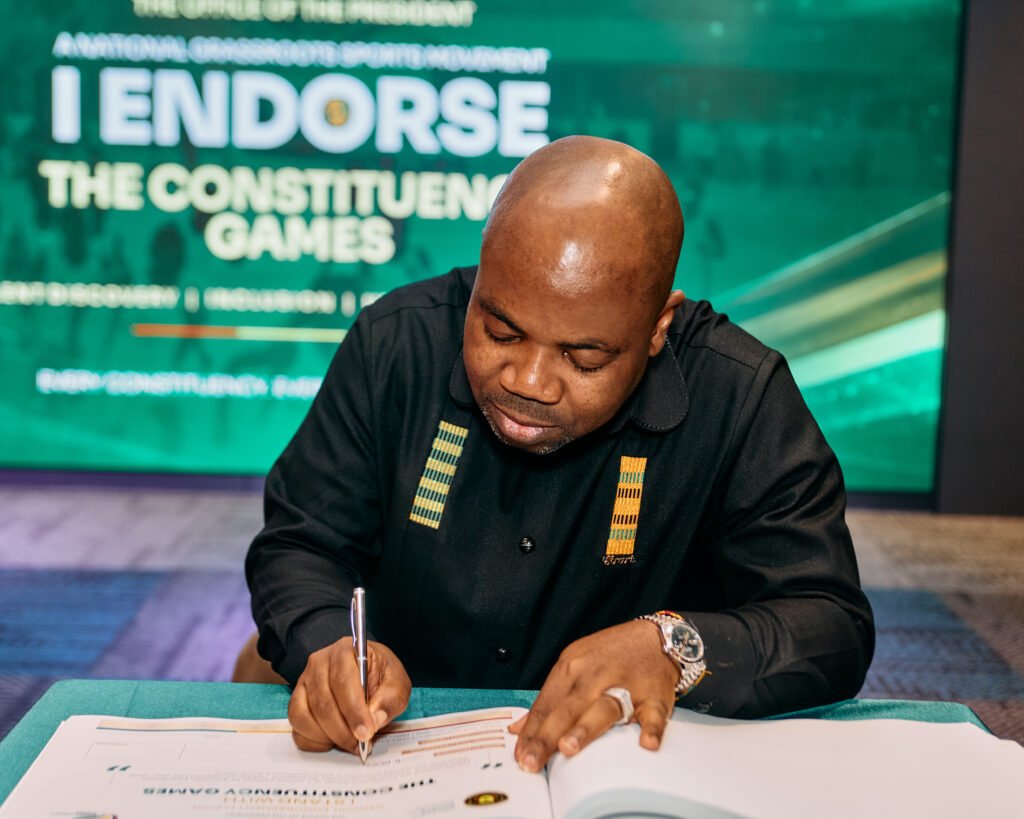
At the centre of the RMPC-led agenda is the Constituency Games—a proposed community-to-national competition pathway designed to bring opportunity closer to young people. Athletes would emerge through constituency competition, progress through regional qualification and earn national recognition through a transparent, structured system.
This is more than a calendar of competitions. It is a national development platform intended to connect participation with coaching, education, media visibility, sponsorship and long-term athlete development. Its guiding promise is simple but powerful: no constituency—and no talent—should be left behind.
A proposed National Talent Bank will give the pathway continuity by creating a traceable system for identifying and following athletes. With the right privacy, safeguarding, verification and appeals protections in place, the platform can help replace fragmented talent discovery with credible evidence and fair opportunity.
The emerging commercial strategy is equally ambitious. A founding banking partnership model developed for Universal Merchant Bank links branches to constituencies, while a transport partnership proposal with Royals VVIP is designed around team movement and branded national visibility. Parliamentary and inter-ministerial consultations are also being prepared to align sport with youth development, employment, gender inclusion, security and local governance.
The RMPC’s wider challenge is to make Ghana sport attractive to investment without surrendering accountability. Its 2026 working targets include GH¢55 million in cash mobilisation, GH¢25 million in verified value-in-kind, at least eight contracted strategic or corporate partners, and three approved facility-commercialisation plans. These are planning ambitions, not yet secured income—but they reveal the scale of the transformation being pursued.
Success will therefore be measured not by announcements alone, but by signed agreements, verified contributions, protected public assets and visible benefits for athletes and communities.
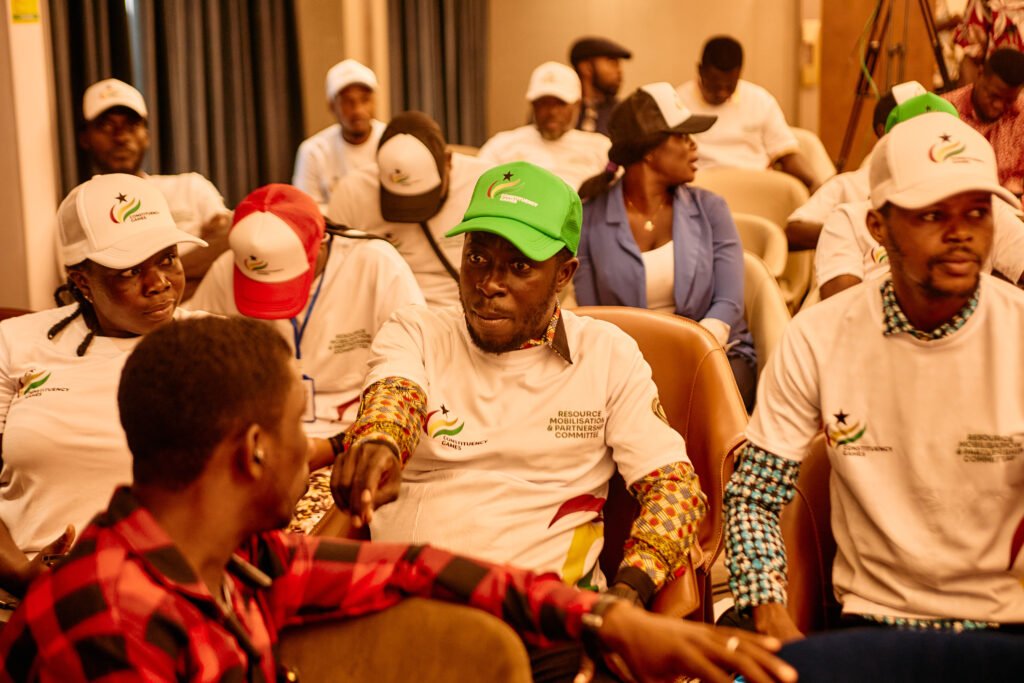
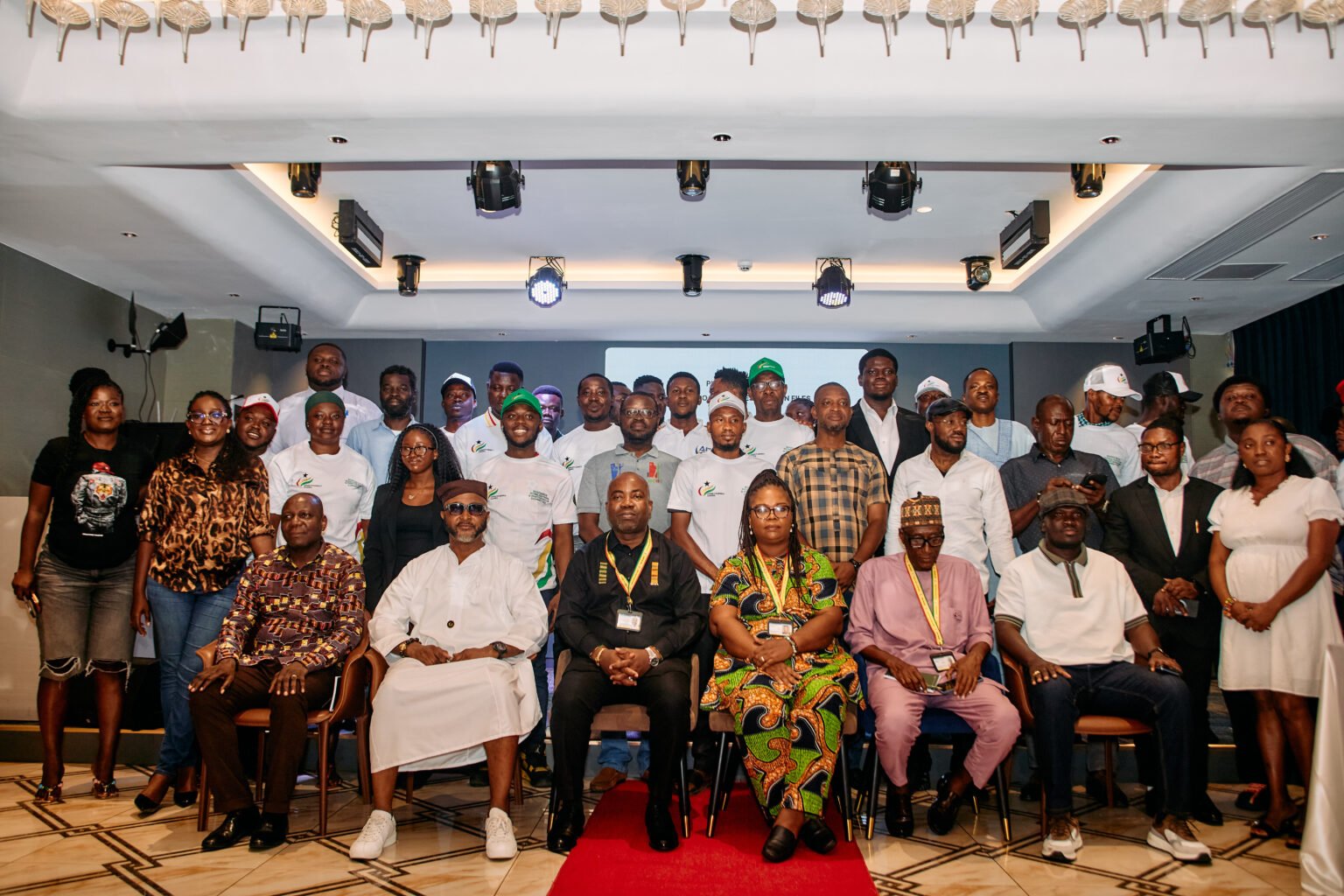
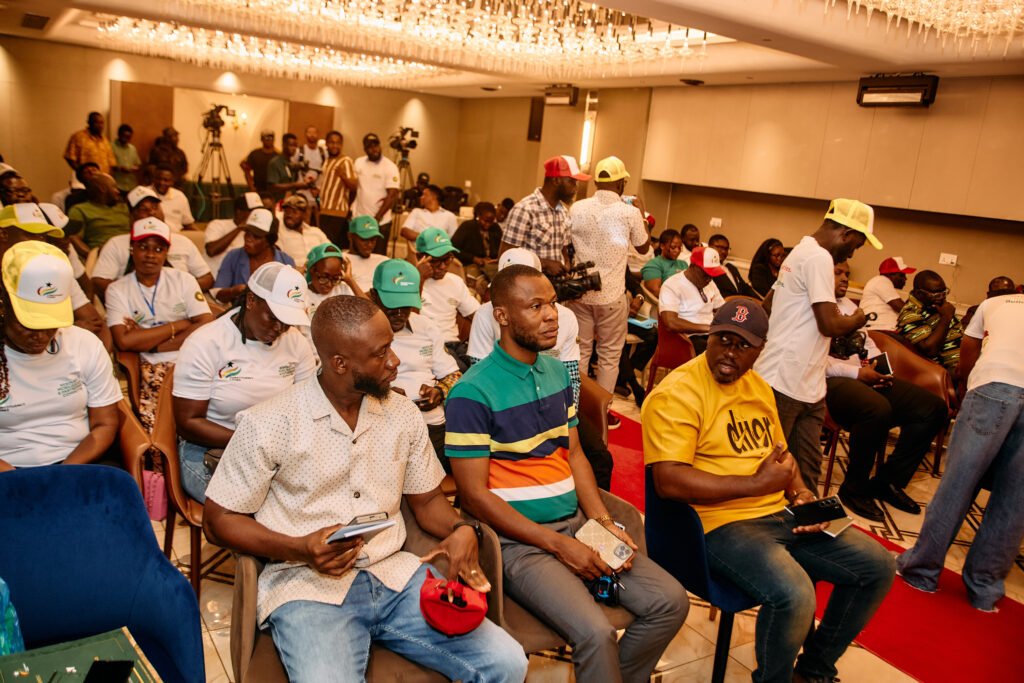
The national media consultation held on 21 August placed journalists and community storytellers inside the development model. Participants supported stronger grassroots reporting and federation-backed training for sports journalists, recognising that Ghana cannot build a national sports culture if promising athletes and local competitions remain unseen.
The initiative has already attracted broad media attention and the endorsement of former Black Stars captain André Dede Ayew, whose voice reinforces a lesson written throughout Ghana’s sporting history: global champions often begin on modest community grounds. The next Abedi Pele, Azumah Nelson or Paralympic champion may already be waiting—not for talent, but for a fair pathway to be seen.
The vision is inspiring, but its credibility will depend on disciplined execution. The phased Games calendar, minimum delivery budget, final sport selection, eligibility rules and implementation responsibilities must be approved. The Talent Bank requires firm legal and safeguarding controls. Every donation must be independently valued and entered into the official asset register, while every partnership must pass proper approval, contracting and reporting processes.
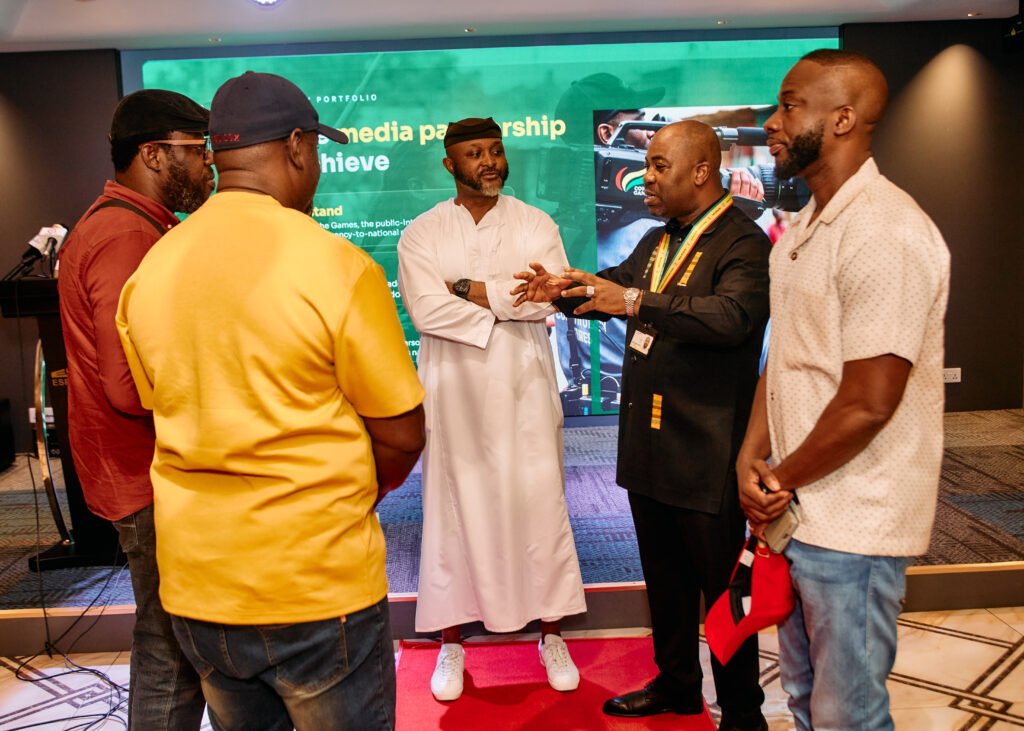
This is the moment for Ghanaian businesses, development partners, traditional leaders, the media, federations, Parliament and communities to act—not as spectators, but as co-builders of a new sporting economy.
If the RMPC can convert public enthusiasm into accountable financing, strong operating systems and equal opportunity, Ghana Sports will no longer depend on isolated moments of brilliance. It will possess a national pipeline that consistently finds talent, develops excellence and creates hope—from every constituency to the podium.
Resource Mobilisation and Partnership Committee • National Sports Authority