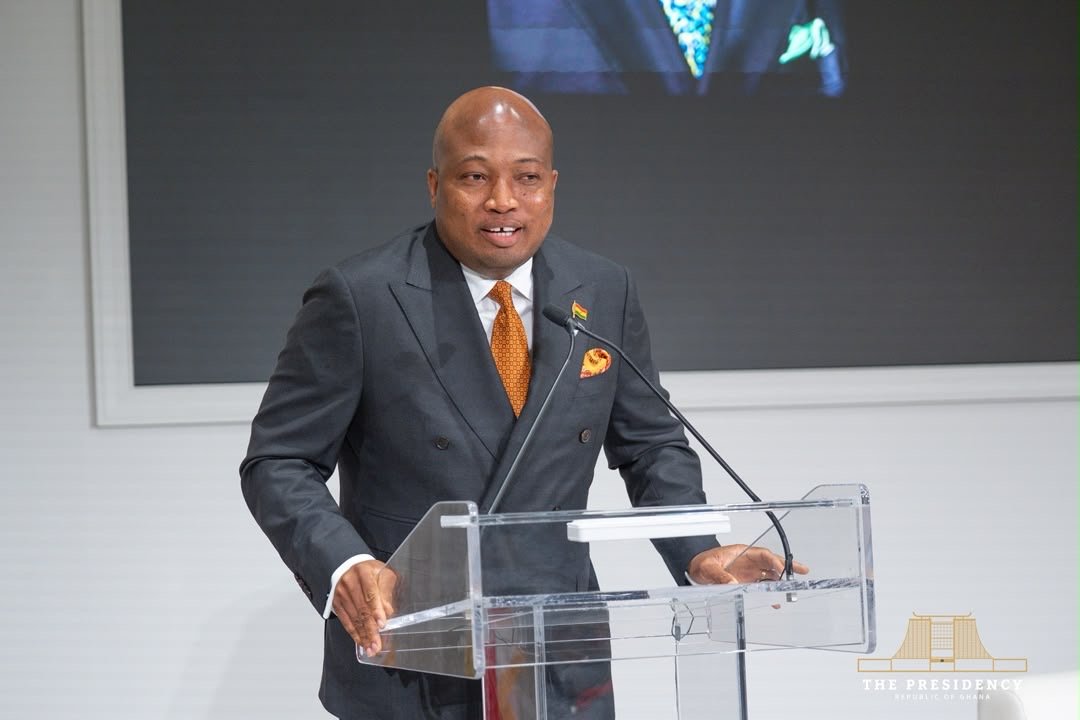
Ghana is set to construct a modern museum to receive and preserve artefacts being returned to the country from abroad, Foreign Affairs Minister Samuel Okudzeto Ablakwa has disclosed.
Mr Ablakwa made the disclosure while speaking to GHOne News Foreign Affairs Correspondent, Natalie Fort, on the sidelines of the 81st United Nations General Assembly in New York.
According to the Minister, funding for the construction of the facility has been captured in Ghana’s 2027 national budget, as government intensifies efforts to secure the return of Ghanaian artefacts held in foreign institutions.
He explained that Ghana requires a modern facility capable of properly receiving, preserving and exhibiting the artefacts expected to be returned.
Mr Ablakwa said the project forms part of Ghana’s broader efforts towards restitution, reparative justice and the preservation of the country’s cultural heritage.
He noted that artefacts being returned from countries including the Netherlands, Germany, Portugal and France could also contribute to Ghana’s tourism industry by attracting visitors interested in the country’s history and heritage.
The Minister pointed to the tourism potential of heritage attractions such as the Kwame Nkrumah Memorial Park, saying a dedicated museum for returned artefacts could similarly become a major attraction and create economic opportunities.
He also disclosed that government is preparing a dedicated museum space for the remains of King Badu Bonsu II, the former Ahanta king whose head was taken to the Netherlands following his execution during resistance to Dutch colonial rule.
Mr Ablakwa said the return and preservation of such historical artefacts would allow Ghanaians and international visitors to engage more meaningfully with the country’s history, including its resistance to slavery and colonialism.
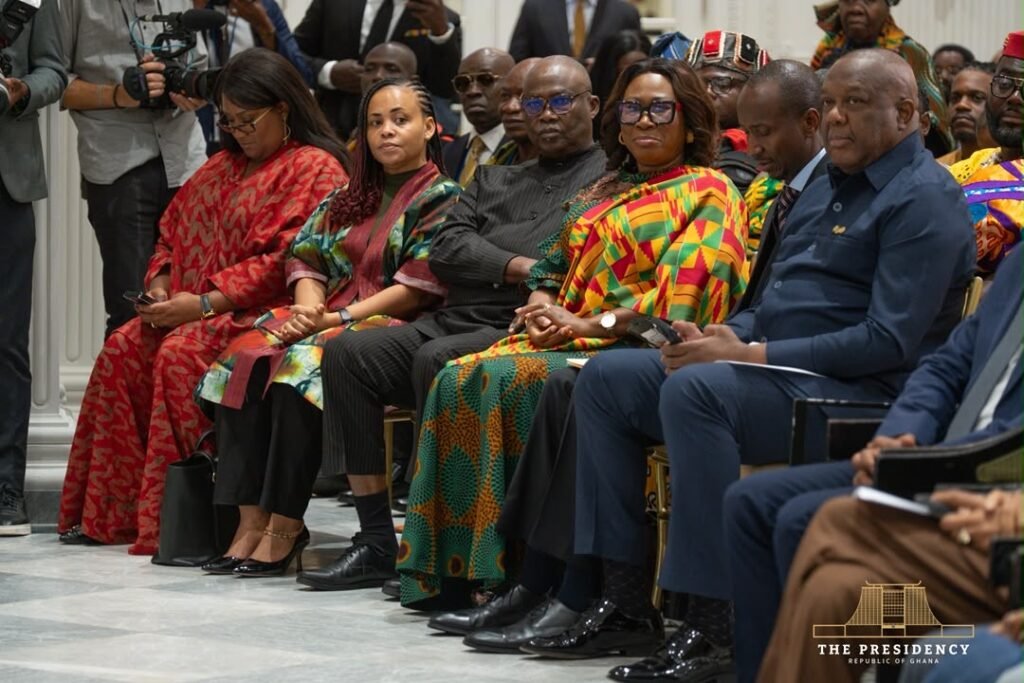
Beyond cultural preservation, the Foreign Affairs Minister said the museum project is also expected to generate employment opportunities through its construction and eventual operations.
The planned facility comes as Ghana continues its efforts to secure the return of African cultural property held outside the continent and advance discussions on restitution and reparative justice.