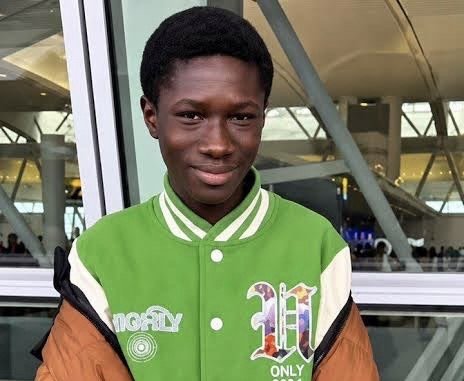
The killing of 15-year-old Ghanaian teenager Javits Frimpong in New York is a heartbreaking reminder of the vulnerabilities confronting young people and the urgent need to address bullying, youth violence and access to firearms.
Frimpong was fatally shot on Thursday, October 29, 2026, while walking to school in the Bronx. He had relocated from Ghana to the United States in 2025 to join his father, Thomas Frimpong, in the hope of building a better future.
According to reports from American media, the teenager was a student at DreamYard Preparatory School. His father described him as a quiet and intelligent boy who reportedly aspired to become a physician.
A journey to school that should have been part of an ordinary day ended in tragedy.
What makes this incident particularly disturbing are allegations raised by his father that his son had experienced bullying at school and had repeatedly reported these incidents to school authorities.
The father also said he had been informed that two students had been suspended following incidents involving his son.
While authorities have not established a motive for the shooting or confirmed any connection between the alleged bullying and his death, these accounts raise serious questions about how schools respond to bullying and whether existing interventions are sufficient to protect vulnerable students.
When Bullying Is Not Taken Seriously
Bullying is often dismissed as an unfortunate but ordinary feature of growing up. Children are told to ignore it, toughen up or simply learn to deal with difficult personalities.
Such responses underestimate the potential consequences.
Bullying can have lasting effects on a child’s psychological well-being, academic performance, confidence and sense of security. It can affect a child’s ability to participate fully in school and develop healthy relationships.
Schools must therefore treat reports of bullying as safeguarding concerns rather than routine disagreements between students.
The circumstances surrounding Javits’ death make it particularly important to examine the systems through which students report harassment, how schools investigate complaints and what protective measures are implemented when incidents are identified.
Suspension or disciplinary action may be necessary, but institutions must also consider whether affected students are adequately protected from further intimidation or retaliation.
There must be clear reporting channels, trained safeguarding personnel, communication with parents and appropriate follow-up mechanisms.
Equally important is ensuring that students who engage in bullying receive appropriate intervention and accountability.
Youth Violence and Access to Firearms
The second issue is the use of firearms in violence involving young people.
How does a disagreement or confrontation involving teenagers escalate to the point where a firearm is used to end another person’s life?
This question is particularly relevant in the United States, where the debate over gun ownership, firearm accessibility and public safety remains deeply contested.
America’s gun violence problem has continued to generate discussions about firearm regulation, enforcement, youth access to weapons and the responsibility of institutions to protect vulnerable communities.
The conversation must extend beyond policing to include firearm access, family and community intervention, school safety, conflict resolution and prevention programmes.
No child should have to navigate the journey to school fearing that an ordinary disagreement could cost them their life.
The Ghanaian Diaspora and Child Protection
Javits’ death also carries a significant dimension for Ghana.
Thousands of Ghanaian families live outside the country, raising children in different cultural, educational and social environments.
For many parents, relocation represents an investment in their children’s future. Access to education, better opportunities and improved living conditions are among the considerations that inform such decisions.
The safety and well-being of children must, however, remain central to that aspiration.
The tragedy raises questions about the support available to Ghanaian families abroad, particularly when children encounter difficulties in their schools or communities.
Ghana’s Ministry of Foreign Affairs has condemned the killing and assured the family of the government’s commitment to pursuing justice in collaboration with United States authorities.
The role of Ghana’s diplomatic missions in providing consular assistance, supporting affected families and engaging relevant local institutions is also important.
It is equally necessary to recognise that the circumstances of this incident remain under investigation. There is currently no established evidence that Javits’ immigrant status contributed to his killing.
The broader lesson is that child protection must remain a priority regardless of nationality, immigration status or geographical location.
A Responsibility That Extends Beyond Schools
Ultimately, protecting children cannot be the responsibility of schools alone.
Parents, educators, policymakers, law enforcement agencies, community organisations and young people themselves all have a role to play.
Parents must create environments where children feel comfortable discussing difficult experiences. Schools must take reports seriously and implement effective safeguarding systems. Policymakers must invest in prevention, mental health support and measures to reduce youth violence.
There must also be a conscious effort to develop empathy, respect and emotional intelligence among young people.
Children need to understand that differences do not justify humiliation, intimidation or violence. They must learn that disagreements can be resolved without aggression and that another person’s dignity is not negotiable.
Javits Frimpong was 15 years old. He should have had the opportunity to complete his education, pursue his ambition of becoming a doctor and experience the many possibilities life had to offer.
His death is a devastating loss for his family and a tragedy that has touched the Ghanaian community in the United States and at home.
As the investigation continues, the pursuit of justice must remain paramount.
Justice alone, however, cannot be the end of this conversation.
We must also confront the conditions that allow bullying, intimidation and youth violence to flourish.
Every child deserves to feel safe at school, on the journey to school and within the communities in which they live.
Javits deserved that safety. He deserved the opportunity to grow up.
His death should compel us to ask difficult questions about what more we must do to protect the lives and futures of our children.