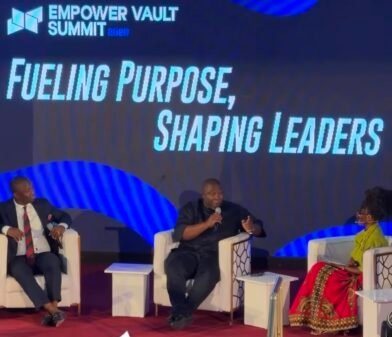
Young Ghanaians have been challenged to develop a stronger sense of purpose, embrace leadership and adopt an opportunity-driven mindset as the country seeks to harness its youthful population for national development.
The call was made by a cross-section of speakers at the Empower Vault Summit, a leadership and mentorship gathering held on Friday, August 14, at the Great Hall of the University of Ghana.
The summit, organised by Horses and Stables in partnership with the Office of the University of Ghana SRC Vice President, brought together students, young professionals, entrepreneurs, policymakers and other stakeholders for conversations on leadership, personal development, entrepreneurship and the future of Ghana’s youth.
The event focused on equipping young people with clarity of purpose, strong personal values and practical tools to navigate their careers and make meaningful contributions to society.

Dean of Student Affairs at the University of Ghana, Prof. Rosina Kyerematen, encouraged participants to believe in their potential and develop the courage to act on their ambitions
According to her, talent and dreams could only translate into achievement when accompanied by continuous learning, resilience and deliberate action.
She urged the youth not to allow their backgrounds to determine the extent of their ambitions, and stressed the importance of building networks and acquiring skills that could open doors to future opportunities.
“The knowledge, skills, and relationships you build here can open doors to new opportunities and help shape your future careers and contributions to society.”
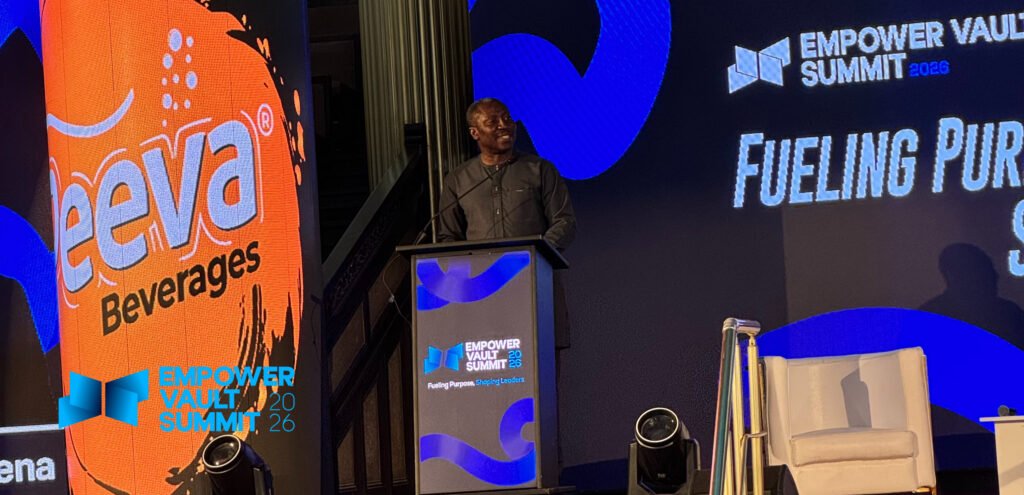
Minority Leader Alexander Afenyo-Markin used the summit to draw attention to Ghana’s youth unemployment challenge while urging students to see the country’s youthful population as an economic opportunity rather than a burden.
He said more than seven in every 10 Ghanaians alive today are below the age of 35, while young people constitute a significant proportion of the unemployed population.
“More than 7 in every 10 Ghanaians alive today are under the age of 35. And what does the labour market offer? Young people account for 7 out of every 10 unemployed residents in this country,” he said.
Despite the challenge, Mr Afenyo-Markin argued that Ghana’s youthful population represents an opportunity that must be deliberately harnessed.
He challenged the youth to move beyond asking how they could secure jobs and begin thinking about what they could create, the problems they could solve and the value they could bring to their communities.
He urged students to ask themselves why they want what they want, what is worth giving their time and talents to, and who will ultimately benefit from the lives they choose to build.
Wakanow CEO Bayo Adedeji challenged participants to change the way they perceive challenges, arguing that successful people are not defined solely by their ability to solve problems but by their ability to identify opportunities quickly.
“I don’t believe that you are successful because you solve problems only. I believe you are successful because you are able to identify opportunity very quickly…”
He encouraged young Africans to develop a mindset that allows them to see possibilities even within difficult circumstances.
Mr Adedeji said this shift in mindset could help transform both Africa’s development trajectory and its global image.
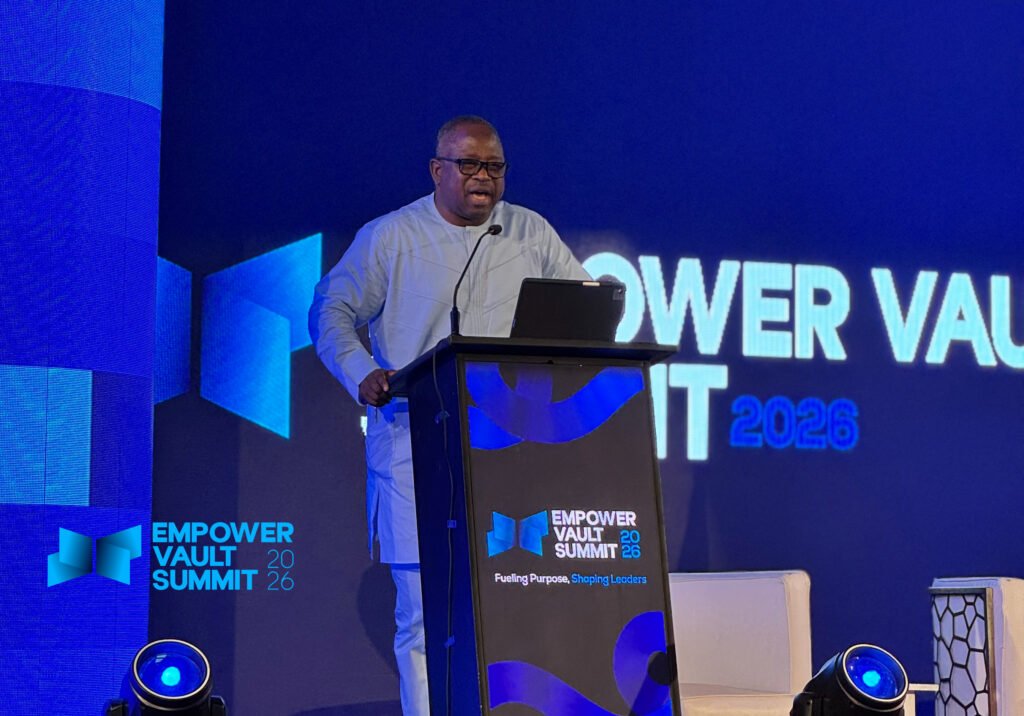
The Minister of State in Charge of Climate Change, Seidu Issifu, represented the Chief of Staff at the summit and also addressed the gathering.
His participation added a government perspective to the discussions around youth development and national priorities, including the importance of young people in shaping Ghana’s response to emerging development challenges.
The summit also incorporated entertainment, with Ghanaian musician Fameye taking the stage for a live performance. The performance added an experiential element to a programme largely centred on personal development, leadership and entrepreneurship.
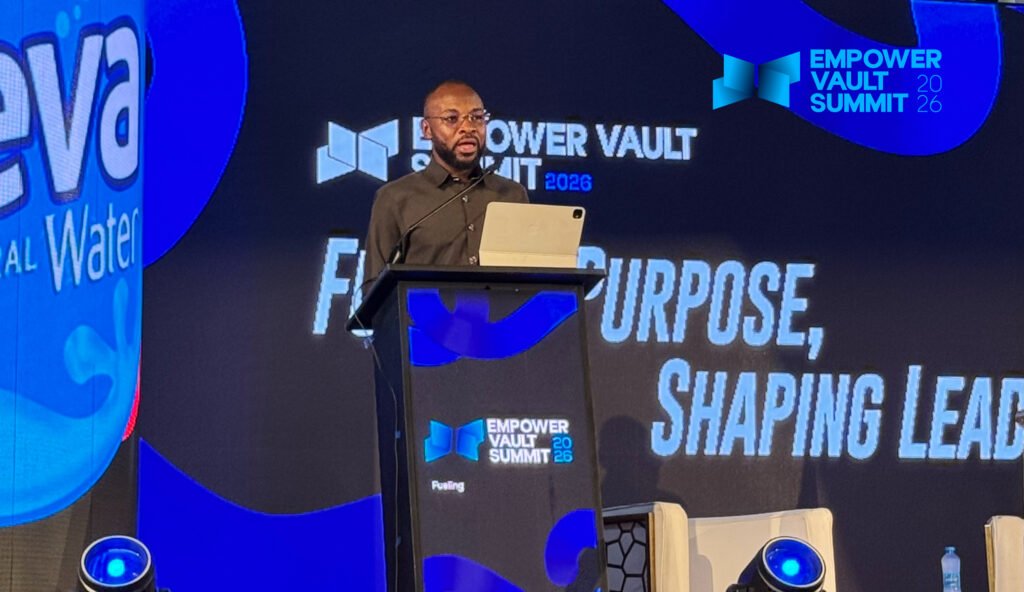
Chief Executive Officer of the National Youth Authority (NYA), Osman Abdulai Ayariga, also participated in the summit, bringing the perspective of the government’s youth development agenda to the discussions.
Across the different sessions, a common message emerged: Ghana’s youthful population must become an active force in creating solutions rather than simply waiting for opportunities.
The speakers encouraged participants to combine purpose with action, education with problem-solving, and ambition with responsibility.
The summit’s organisers said the platform was created to provide young people with practical knowledge and exposure to leaders and professionals who can help them navigate an increasingly competitive environment.