The Ghana National Household Registry now contains information on more than 11.24 million people, providing government with a national database for identifying households that require social protection support.
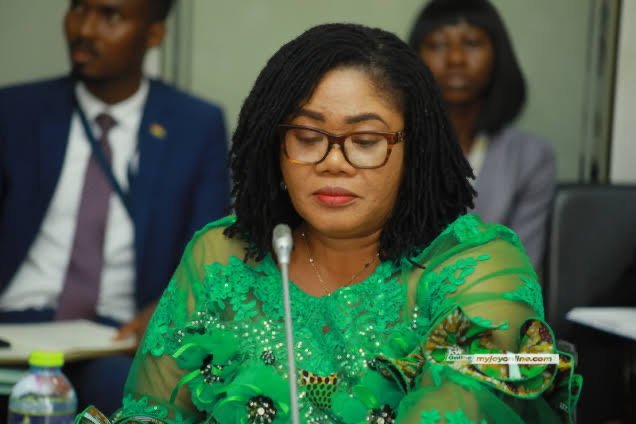
Speaking at the Government Accountability Series on Wednesday, September 16, Gender, Children and Social Protection Minister Dr Agnes Naa Momo Lartey said data collection had been completed across all 16 regions, covering 2,906,288 households.
The registry includes 508,870 households classified as extremely poor for targeting purposes.
Dr Lartey described the registry as the evidence base underpinning Ghana’s social protection system, particularly following the introduction of the Social Protection Act, which provides for a coordinated approach to targeting vulnerable populations.
“For the first time, Ghana has a single, reliable national database to target social protection,” she said. She explained that the information would also be shared with institutions and development partners seeking to undertake social protection interventions for vulnerable groups.
The Minister said the registry was critical to the reassessment and expansion of LEAP, which has increased its programme ceiling from 350,000 to 450,000 households.
The government has also identified the registry as a key tool for evidence-based planning and decision-making in the social protection sector.