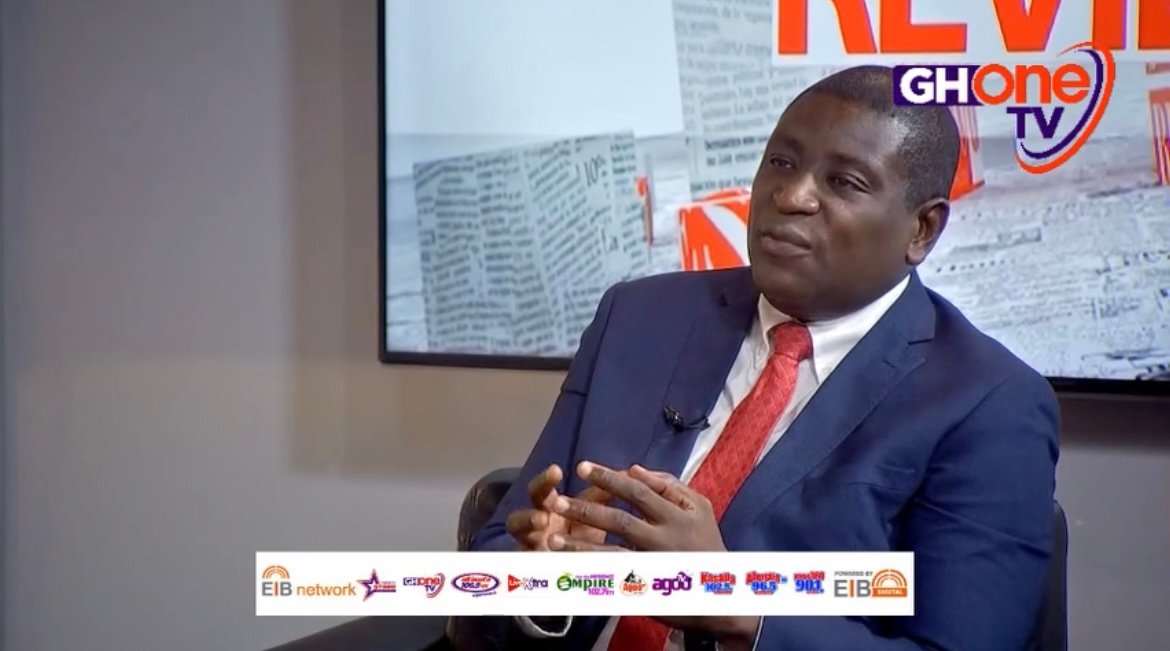
A member of the New Patriotic Party’s (NPP) Communications Team, Kwadwo Poku, has claimed that the opposition National Democratic Congress (NDC) is deliberately downplaying former Vice President Dr. Mahamudu Bawumia’s role in national economic discourse because he remains the figure they fear most ahead of future elections.
Speaking on GHToday with Lily Mohammed on Monday, February 2, 2026, Poku stressed that the NPP must reconnect with its grassroots, particularly the youth, to reinforce confidence in Dr. Bawumia’s leadership and economic expertise.
“We need to go to the grassroots and educate the youth of the party and let them believe the message that Dr. Bawumia is the only one today that we’ve elected that the NDC is scared of,” he stated.
According to Poku, narratives suggesting that Dr. Bawumia is avoiding discussions about the economy are misleading and politically motivated. He argued that economic performance will soon dominate public debate, and when that happens, Dr. Bawumia is the most qualified voice to engage Ghanaians on the issue.
READ: NPP Primaries: Without Bawumia, NPP’s support in the North collapses – Mussa Dankwah
“They make it look like he is running away, not talking about the economy. But the economy is going to be the number one conversation, and the best person to discuss it is Dr. Bawumia,” he said.
Poku further contended that while the current administration may be enjoying favorable public sentiment, much of the stability and gains highlighted in 2025 were the outcomes of policies and systems implemented by the NPP prior to leaving office.
“They think they are enjoying. You had a good year in 2025, but everything you are calling good was mostly put there by the NPP in 2024,” he asserted.
He also warned that economic challenges arising from what he described as “decline, mishaps, and missteps” in recent fiscal decisions would become evident by mid-year, especially as budgetary pressures begin to surface.
“Some of the solutions being implemented are very expensive,” Poku cautioned, adding that the impact of current policy choices will soon reflect in the broader economy.
Source: Starrfm.com.gh/Barbara Yeboah