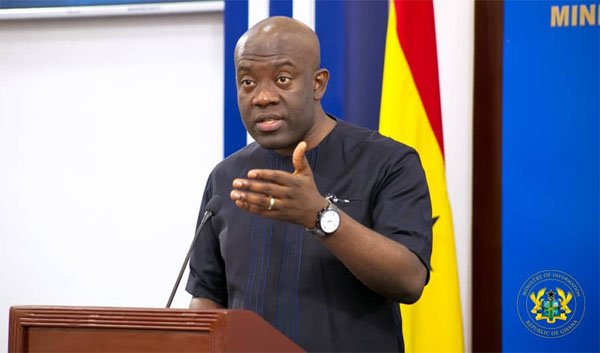
The New Patriotic Party (NPP) has rejected the government’s handling of proposed amendments to Ghana’s 1992 Constitution, describing the scale of changes as an effective rewrite that cannot be treated as routine parliamentary business.
The opposition at a press conference in Accra outlining its official position, the opposition party said it has consistently supported constitutional reform, including during the 2010 Constitution Review Commission process and the current review exercise.
While acknowledging that the 1992 Constitution has served Ghana well, the NPP argued that certain provisions require improvement to strengthen accountability, deepen decentralisation and modernise institutions.
The party emphasised that the Constitution Review Committee’s recommendations go far beyond incremental adjustments.
The proposals involve amendments to 147 of the Constitution’s 299 articles, together with 59 new provisions—totalling 206 changes that touch the executive, legislature, judiciary, independent constitutional bodies and local government.
“This is not just an adjustment to some provisions of the Constitution. They amount to the overhaul of the Constitution and in substance the enactment of a new one,” Ofoase Ayirebi MP, Kojo Oppong Nkrumah said. .
Such a fundamental shift, the party insisted, cannot be processed under the ordinary amendment procedures in Chapter 25 of the Constitution—through a parliamentary vote followed by a referendum.
The NPP further criticised the government for substituting its own preferences for approximately 100 of the committee’s 147 recommendations (about 68 per cent).
It noted that the full committee report was withheld for five months, during which Parliament passed the Tribunals Bill in a direction opposite to the committee’s advice.
The government has since declared consultations closed, directed its implementation committee to draft rather than negotiate, and set a November 2026 target for the first amendment bill.
“There is no table at which the parties, organised labour, the professions or identifiable groups can discuss the 100 issues that are currently in dispute,” the NPP said.
It also accused the government of intending to push its version through solely because it holds a parliamentary majority and believes it can secure a referendum victory.
The party therefore rejected the current approach as an attempt to essentially rewrite the constitutional order.
It therefore called on the government to follow the established path used in 1969, 1979 and 1992: work by an expert body, deliberation and settlement by a broad and representative national assembly, and only then formal enactment into law.
Source: Starrfm.com.gh