Asantehene Otumfuo Osei Tutu II has warned of the potential health consequences of illegal mining, cautioning that the destruction of water bodies could endanger human life and future generations.
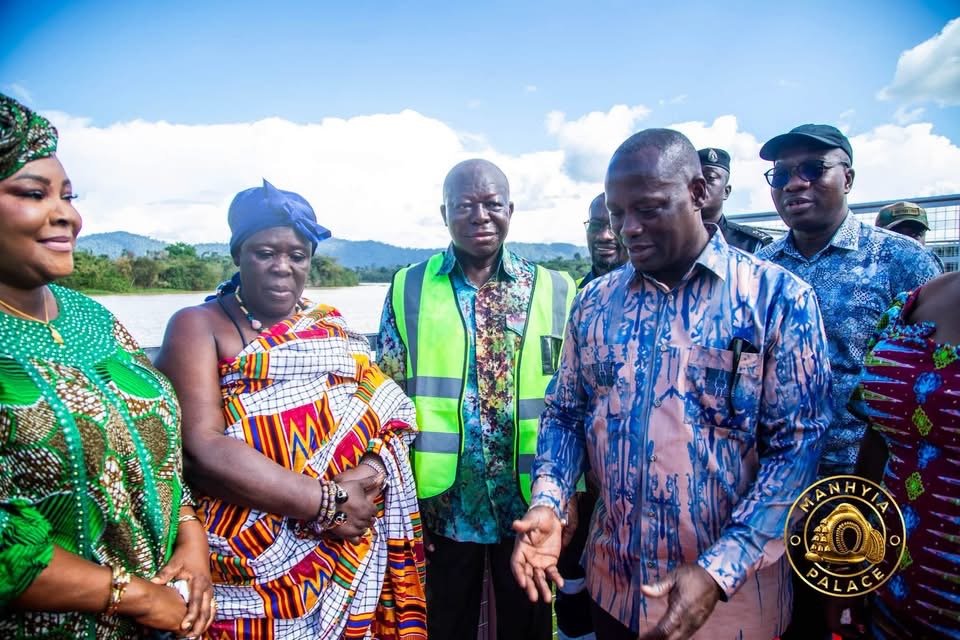
He made the remarks on Wednesday, October 14, 2026, during a royal visit to the Jimi Land Reclamation and River Watercourse Rehabilitation Project at the Jimi River near AngloGold Ashanti in Obuasi.
Otumfuo acknowledged the lack of employment opportunities facing the youth and recognised that some had turned to illegal mining, popularly known as galamsey, as a means of survival.
However, he stressed that the need for jobs should not come at the expense of the environment and the health of future generations.
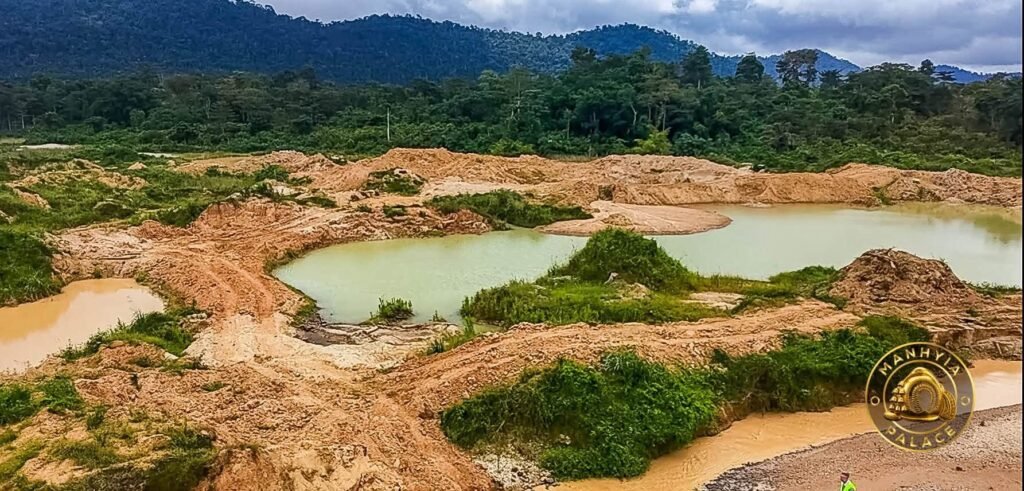
He emphasised that water was essential to human survival and good health, warning that destroying water bodies through illegal mining could have serious consequences for communities.
The Asantehene cautioned against prioritising immediate economic gains without considering the long-term effects of environmental destruction, including the potential risks to the health and development of children.
He called for responsible action to protect water resources while ensuring that young people had access to alternative livelihood opportunities.
The royal visit formed part of efforts to rehabilitate lands degraded by unregulated small-scale mining and protect the Jimi Dam, a critical source of drinking water for communities across the Adanse Traditional Area.
Jimi Dam faces water supply challenges
During the visit, the operator of the Jimi Dam briefed Otumfuo on challenges affecting water supply, including rising water treatment costs and increasing pressure on available supplies.
The operator explained that the situation had made water rationing necessary in some communities, with residents in certain areas receiving water only during scheduled periods.
The challenges have heightened concerns about the impact of mining-related pollution and sedimentation on the river and the dam, which supplies water to surrounding communities.
Toxic runoff and heavy sediment buildup along the Jimi River have been identified as threats to the dam, reinforcing the need for urgent rehabilitation and long-term protection of the watercourse.
Otumfuo leads tree-planting exercise
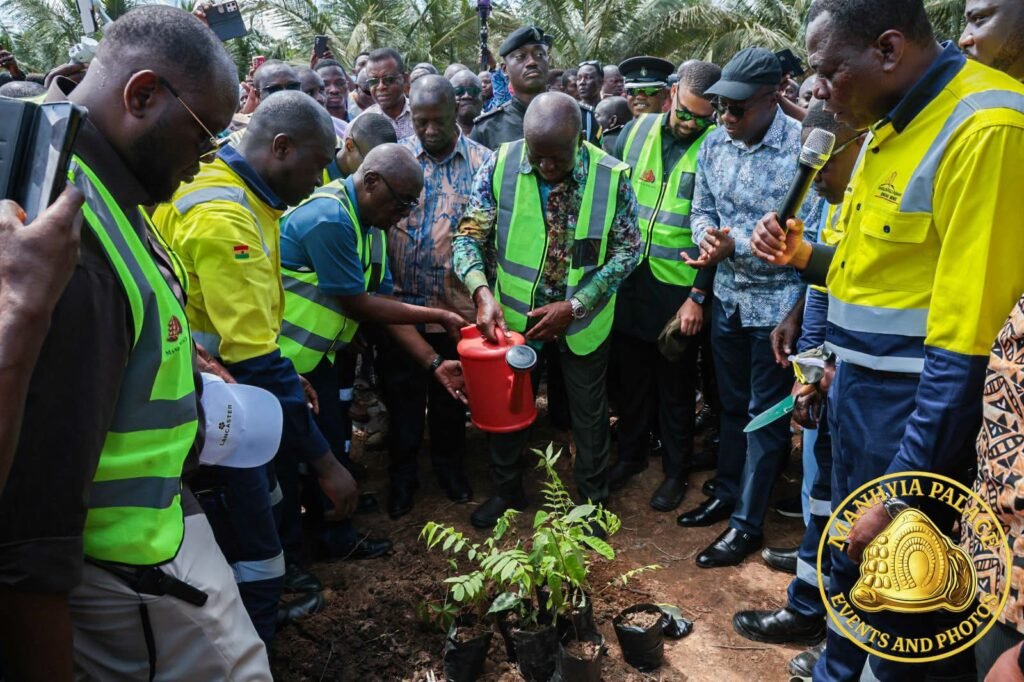
As part of the visit, Otumfuo participated in a tree-planting exercise along the Jimi River alongside the Minister for Lands and Natural Resources, Emmanuel Armah-Kofi Buah; the Minister for Local Government, Chieftaincy and Religious Affairs, Mahama Ayariga; and management of AngloGold Ashanti.
The exercise forms part of broader efforts to restore degraded lands, promote environmental sustainability and protect vital water resources.
Oheneba Nana Kwaku Duah, Chief Executive Officer of the Ashanti Green Initiative (AGI) and son of the Asantehene, also highlighted the use of kenaf as part of the reclamation strategy.

He stressed the importance of restoring soil health before cultivating food crops, explaining that the initiative would use kenaf to support land rehabilitation and promote sustainable packaging.
The fast-growing fibre crop was selected because of concerns about residual heavy-metal contamination in the reclaimed soil. It can be processed into products such as sacks, ropes and eco-composites, providing potential income opportunities for local farmers without immediately exposing food crops to contaminated soil.
Jimi reclamation project targets 153 hectares
The Jimi Land Reclamation and River Watercourse Rehabilitation Project seeks to restore 153 hectares of land across three designated lots in the Obuasi East Municipality, Adansi Akrofuom District and Adansi Asokwa District.
The project targets heavily degraded sites near Gyimisokakraba, Ayease and Akwesi Ankromakrom, where unregulated small-scale mining has damaged vegetation, contaminated soils and left hazardous open pits.
The rehabilitation process involves backfilling abandoned mining pits and gullies, reshaping degraded land, managing soil contamination, installing drainage and erosion-control structures, restoring topsoil health and planting kenaf.
The Ashanti Green Initiative leads the project, with strategic direction and royal patronage from Manhyia Palace and technical and operational support from AngloGold Ashanti.
The initiative follows Otumfuo’s advocacy against illegal mining at the Mining in Motion forum, which led to the establishment of AGI.
Long-term plans include continuous water testing and monitoring of soil quality, vegetation, biodiversity and community health outcomes.
READ: EPA orders immediate halt to all reclamation and restoration activities without approval
The Jimi project is expected to serve as a model for rehabilitating other mining-degraded lands and water systems across Ghana.