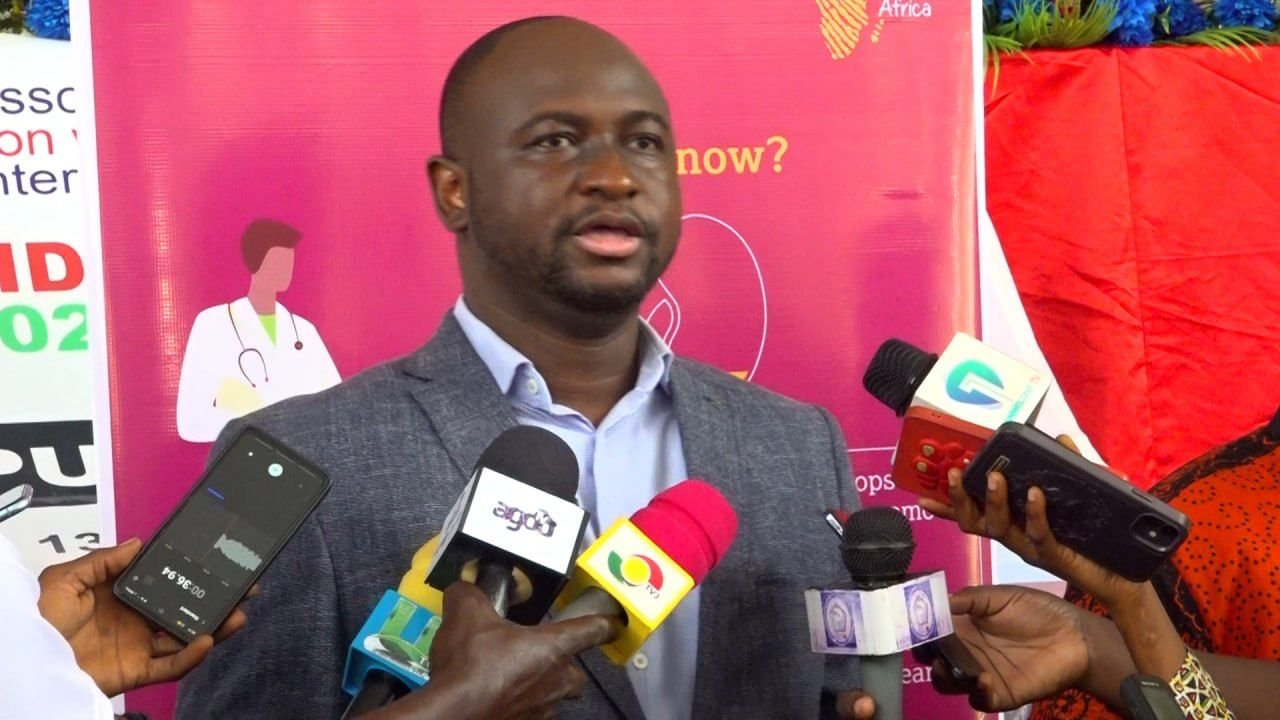
Healthy Heart Africa (HHA), an AstraZeneca flagship health equity programme aimed at addressing the growing burden of cardiorenal diseases in Africa, has expressed concern with the low level of awareness concerning Chronic Kidney Diseases in Ghana.
Even though CKD is estimated to affect some 850 million people across the globe, the awareness rates about the condition remains low especially among high risk populations.
In a statement released as part of its advocacy on World Kidney Day, Healthy Heart Africa expressed worry this trend could hamper targeted testing, aimed at detecting the disease early to prevent its progression into advanced stages of kidney failure.
“If left undetected and not treated timely, CKD can progress to kidney failure, leading to severe complications and premature mortality,” the statement cautioned.
Healthy Heart Africa a program endorsed by PATH Ghana, a global not for profit focused on scaling up innovations promoting health equity especially among vulnerable populations, highlighted alarming health projections that suggests that, ‘by 2040, CKD is forecasted to become the 5th leading cause of years of life loss with less than 10% of people with CKD aware of their disease’.
Despite the significant disease burden, HHA pointed out that CKD remains under-prioritized a reason for which Healthy Heart Africa is fostering inter agency collaborations with the Ghana Health Service (GHS), the Ministry of Health (MOH) and the Ghana Kidney Association (GKA) to frontally stem the tide.
In Ghana where the prevalence rate for CKD is estimate to be 13.3%; the program in 2024, screened some 25,000 patients in the Ashanti and Greater Accra regions for Hypertension, Type 2 Diabetes and other Non-communicable diseases that predispose the public to Chronic Kidney Disease.
To cure the extremely low levels of CKD awareness in Ghana and in Africa in general; estimated at 6% in the general populations and 10% amongst high-risk populations, HHA and its collaborators continue to embark on a series of activities including screening outreach programs, Kidney health forums and Continuous virtual Medical Education programs with emphasis on prevention and early detection of kidney disease.
These activities were carried out across central business districts, principal streets and schools to commemorate this year’s world Kidney Day marked on the theme, “Are your Kidneys ok? Detect early, protect Kidney health”.
HHA emphasized that ‘Prioritizing high-risk populations to receive routine CKD screening through health checks in primary care, enabling early diagnosis and reducing long-term healthcare costs could greatly reduce the devastating and catastrophic consequences for the nation’s fragile health systems, patients and families alike’.
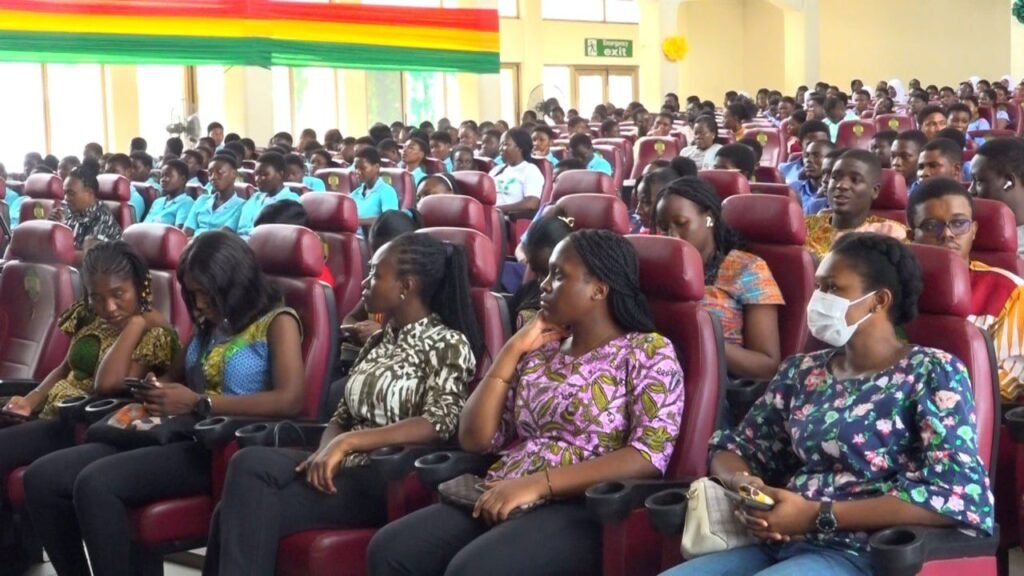
Speaking to media men on the sidelines of a day’s workshop on Kidney health, organized for school children at the Prempeh Assembly Hall in the Ashanti Regional capital Kumasi, Programs director for Healthy Hearts Africa Dr. Robert Yeboah warned that kidney conditions hardly present any noticeable symptoms until things get worse emphasizing the need for voluntary kidney function tests among the populace.
“Most of these symptoms are silent and you will not see any overt symptoms till much later. It’s important that we avail ourselves for regular screening so that we know our status,” he admonished.
Dr. Yeboah further called for the public to unlearn unhealthy lifestyle choices including excessive drinking, smoking, poor nutrition, and inadequate physical exercises to reduce their risk of Chronic Kidney Disease.
The event saw in attendance the Ghana Kidney Association which is an amalgamation of medical professions working to strengthen health systems and influence policies towards kidney care in Ghana, Kidney Health International, Traditional and Religious leaders as well as officers and teachers of the Ghana Education Service (GES).
Since its launch, HHA has conducted over 67 million blood pressure screenings, trained over 11,700 healthcare workers, and activated over 1,550 healthcare facilities across nine African countries in Kenya, Ethiopia, Ghana, Uganda, Côte d’Ivoire, Senegal, Rwanda, Nigeria and Tanzania including the Island of Zanzibar.