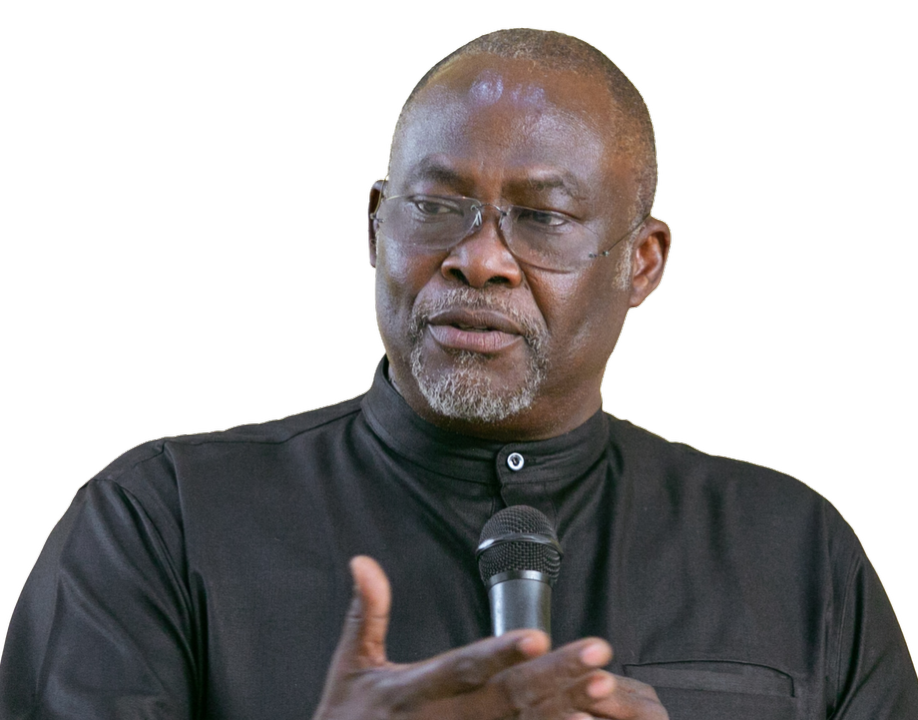
Presidential Special Envoy for Reparations and Former Trade Minister, Ekwow Spio-Garbrah, has called for reparations to go beyond financial compensation, urging a broader focus on restoring dignity and improving how Black people are valued globally.
Speaking during an interview on State of Affairs with Kodjo Mensah on GHone TV, he stressed that the reparations conversation must also address the psychological and spiritual impact of racism, alongside efforts to foster greater respect and equality.
“The healing aspect and psychological aspects… there’s also a whole school of thought and knowledge about how racism affects people and their behavior and their stability and their emotional state,” he said.
He referenced ongoing incidents of racism in global sports to illustrate persistent negative perceptions about Black identity.
“And we see even in athletics of sporting events where people are throwing bananas and things at Black football players, which shows that there is some general misperception of the value of the Black skin,” he stated.
According to him, the historical reality of slavery contributed significantly to these perceptions.
“And so there’s a concern that the ability to buy a human being as a slave and to trade in slaves who are almost all black people lowered the esteem of Black people in the minds of White’s,” Spio-Garbrah explained, adding that reparations should aim to correct this imbalance.
He expressed hope that the process would help restore dignity and promote equality.
“And as we go about the process of reparations, we hope to improve and increase the value that the other races in the world have for Black people so that there will be greater equality,” he noted, while admitting that achieving full equality would be “very difficult,” but possible over time.
Spio-Garbrah also called for internal reforms within African societies, stressing the need for responsible leadership and cultural renewal.
“We also have to behave appropriately, as I was saying both in our governance structure and in our cultural systems to earn the respect that we deserve,” he said, describing this as part of the broader “spiritual healing” process.
READ: UNGA 80: Mahama declares slave trade greatest crime against humanity, calls for African reparations
He further highlighted the potential role of religious leaders in supporting this effort. “Pastors and prophets who are predicting all kinds of things around Africa can also move into the reparational agenda and help us to heal from those societies that have been badly bruised,” he suggested.
Drawing on political history, Spio-Garbrah cited the rise of Barack Obama as an example of how spiritual and cultural connection can foster unity.
“Obama had to go to church and with the help of his wife, sings Amazing Grace, then suddenly African Americans said, ‘oh, wow, this guy really is one of us,’” he recounted, arguing that such moments demonstrate the power of shared identity in the healing process.
He concluded by emphasizing that healing must remain central to any reparations effort. “The healing path cannot be underrated,” Spio-Garbrah said.
Source: Starrfm.com.gh/Abigail Praise Pabai