The United States Agency for International Development (USAID) is being shut down globally, leaving Ghana and other aid-dependent nations scrambling to fill funding gaps in key sectors like health, education, and infrastructure. The move, announced by U.S. Secretary of State Marco Rubio on February 4, has raised alarms among Ghanaian policymakers and development experts, who warn of dire economic and social consequences.
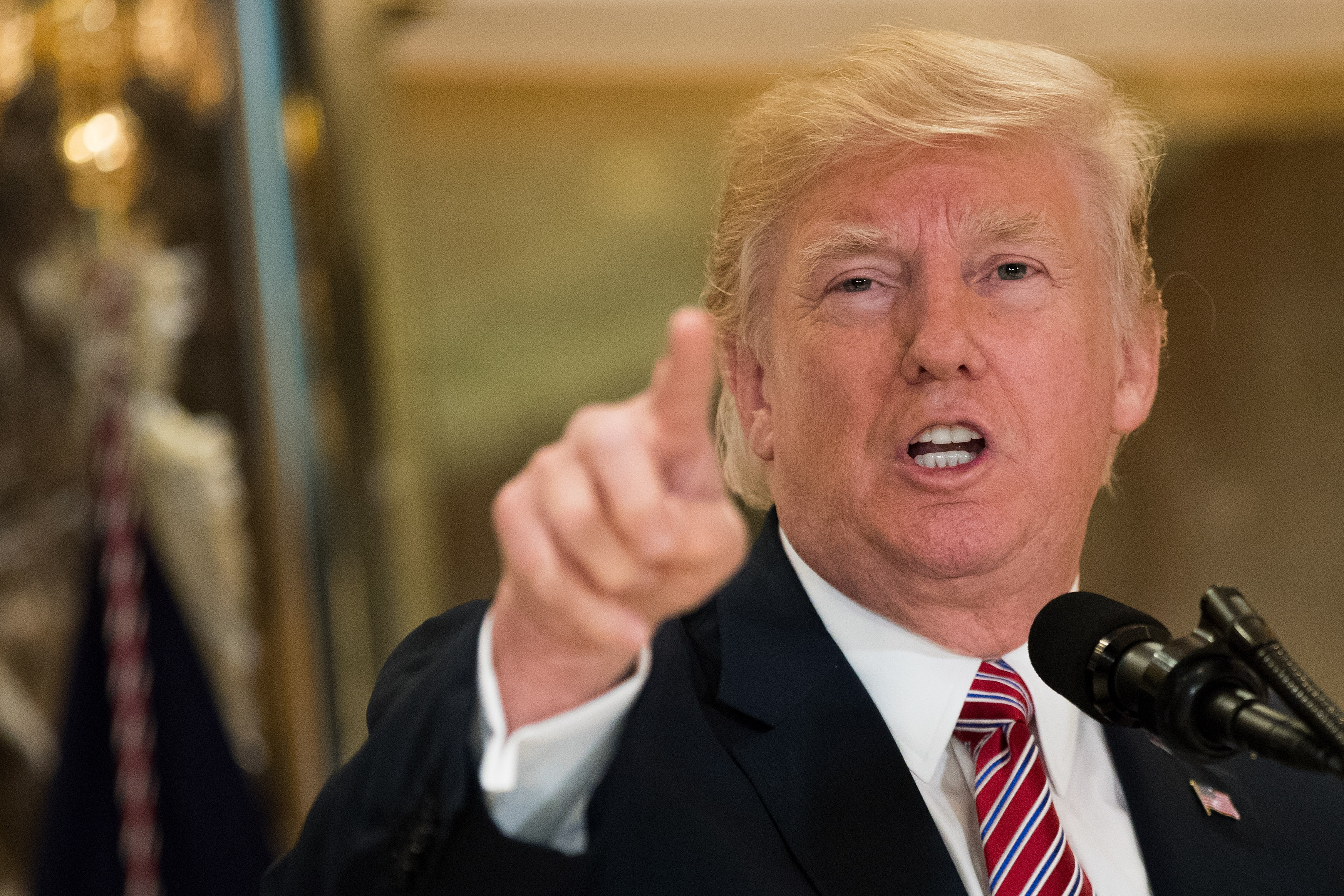
Rubio stated that USAID would be taken over by the U.S. State Department, adding that “all USAID direct hire personnel will be placed on administrative leave globally.” This abrupt decision follows strong criticism from U.S. President Donald Trump and his allies, who have long questioned the effectiveness of the agency. Trump described USAID as “a bunch of radical lunatics, and we’re getting them out,” while Tesla CEO and special government employee Elon Musk declared that it was “time for it to die.”
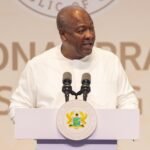
Speaking on GHOne TV, Development and International Relations Analyst, Professor Lord Mawuko Yevugah, stressed the severity of the situation, noting that Ghana receives approximately $150 million annually from USAID.
“Withdrawing that funding is going to have dire implications for critical sectors. It’s not only Ghana; many other African countries that rely on such funding will experience a major shortfall. This is a very critical situation, and we should be very worried about this decision,” he stated.
For decades, USAID has played a crucial role in Ghana’s development, funding essential programs such as:
• Public health initiatives, including malaria, HIV/AIDS prevention, and maternal and child health services.
• Education projects, supporting teacher training, school construction, and scholarships for underprivileged students.
• Infrastructure development, helping build roads, water supply systems, and sanitation facilities.
With the sudden withdrawal of USAID support, these critical services face severe funding shortages, potentially affecting millions of Ghanaians.
Prof. Yevugah emphasized the urgent need for Ghana to seek alternative funding sources. While other donor nations and international organizations may provide some relief, he stressed the importance of domestic resource mobilization.
“We can’t forever rely on others who can always disappoint us. The government must look within, there’s so much waste in the system. Cutting unnecessary expenditures and prioritizing key sectors will be crucial,” he said.
He pointed to the high costs of government appointees as an area where Ghana could save money.
“If you look at how much we’re spending on government officials, it was far higher under the last administration than what the new government is proposing. A drastic cut in ministers and appointees could free up resources for essential services,” he explained.
Beyond the financial impact, the USAID shutdown raises questions about U.S. geopolitical strategy in Africa. Historically, American aid has been a tool of influence, ensuring economic and political ties with key allies.
“America does not give aid just for the sake of giving aid,” Prof. Yevugah noted. “If maintaining Ghana as a key ally aligns with their geopolitical interests, there may be revisions to this decision in the future. But for now, it’s a blanket order with serious consequences.”
With Ghana’s strategic location in West Africa, it remains to be seen whether future U.S. administrations will reconsider aspects of the aid program.
Despite the looming financial crisis, Prof. Yevugah views this as a wake-up call for Ghana to reduce its dependence on foreign aid. Successive governments have struggled to generate sufficient internal revenue, with inefficiencies and corruption draining resources.
“This is not a hopeless or helpless situation,” he insisted. “It’s an opportunity for Ghana to take control of its own development, cut waste, and build a more self-sufficient economy.”