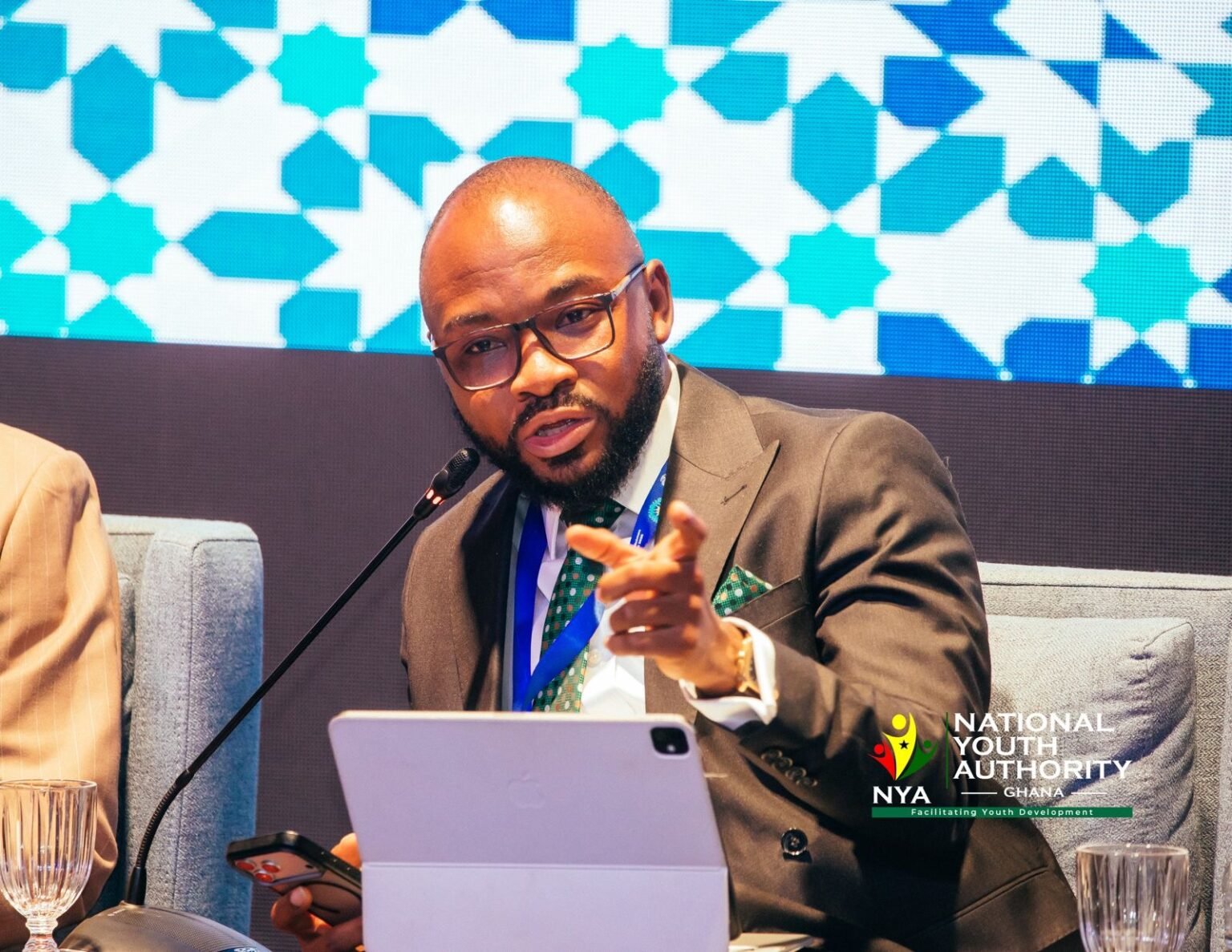
Osman A. Ayariga, Chief Executive Officer of the National Youth Authority, has called for stronger institutional reforms across Africa to ensure young people are fully integrated into policymaking as co-creators rather than passive beneficiaries.
Speaking at the Continental Youth Symposium in Tangier, Morocco, he stressed that youth leadership must be embedded in governance structures to make policies more responsive and effective.
“Youth leadership must be foundational and not optional. When young people are engaged as co-creators, policies become more responsive and relevant, interventions more practical, and implementation more effective,” he said.
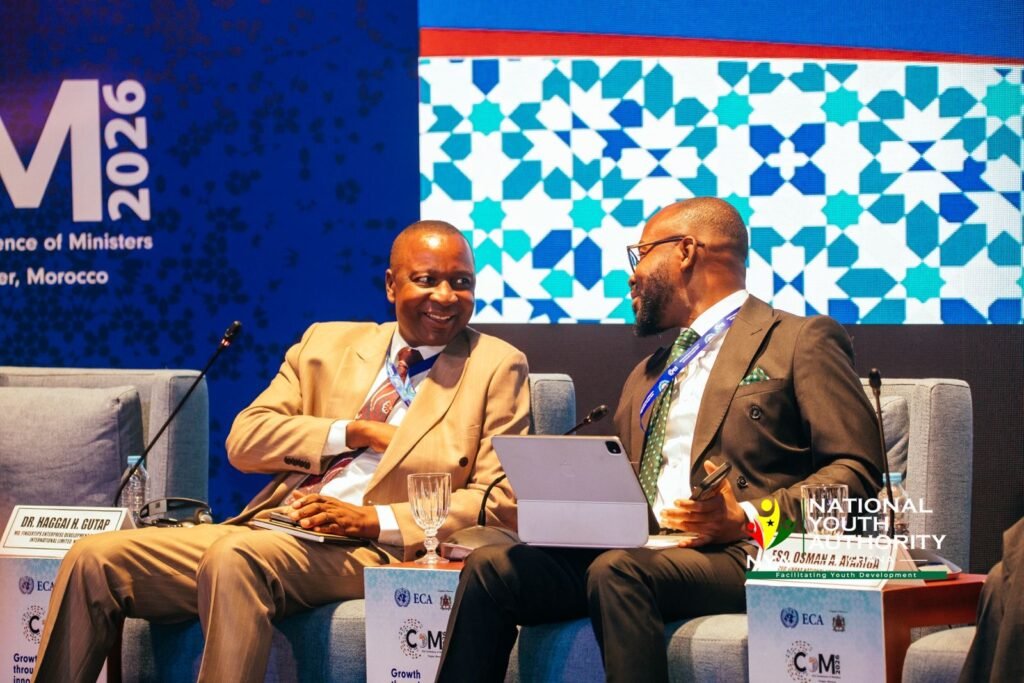
He argued that excluding young people from decision-making weakens policy outcomes, adding that institutionalised participation improves accountability and delivery.
“Institutionalised youth voice improves accountability and ensures programmes reach the young people they are designed to serve,” he noted.
Osman cited Ghana as an example of how structured youth participation can be integrated into national development frameworks. He referenced the inclusion of young people in the design of flagship initiatives such as the National Apprenticeship Programme, Adwumawura, and One Million Coders, which he said were developed through consultations with youth groups, persons with disabilities, refugee youth, and rural youth.
He also pointed to the Ghana Youth Federation as part of efforts to formalize youth participation in governance, noting that representatives of the federation now serve on advisory boards of key state institutions.
These include the Ministry of Youth Development and Empowerment, the National Youth Authority, and the National Entrepreneurship and Innovation Programme, as well as district and regional committees responsible for programme implementation.
Osman said these arrangements ensure that youth participation goes beyond symbolism and becomes a functional part of governance.
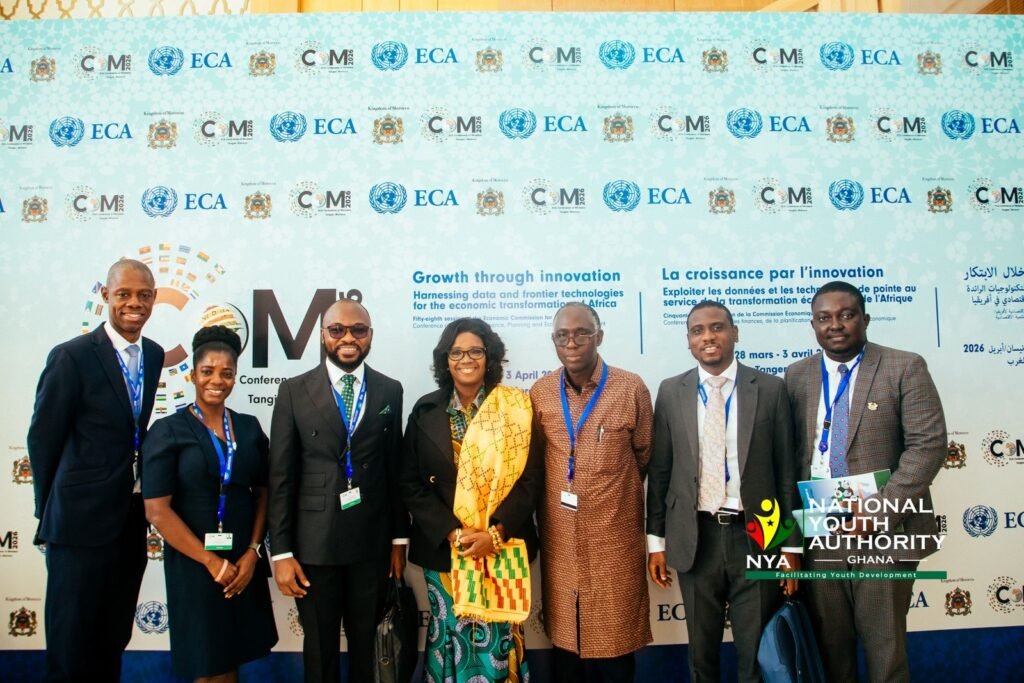
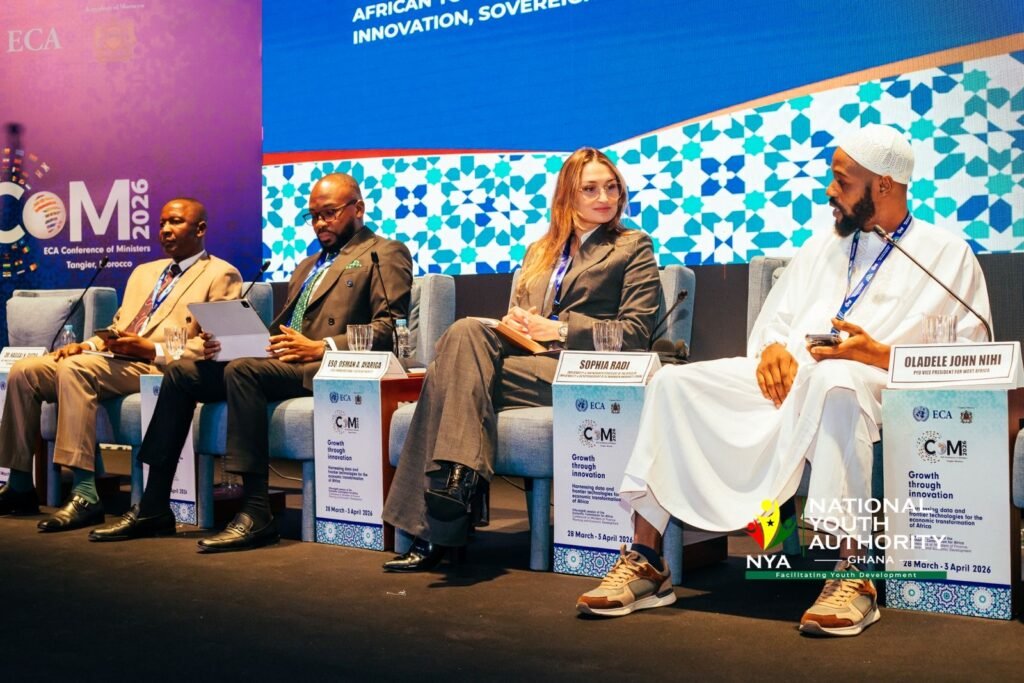
The symposium brought together policymakers, development partners, youth leaders, and representatives of the United Nations Economic Commission for Africa (UNECA) and the Pan-African Youth Union to discuss skills development, innovation ecosystems, and the future of work across the continent.
Source: Starrfm.com.gh