President John Dramani Mahama has announced that Ghana is on track to transition away from GAVI support by 2030, with the long-term ambition of becoming a donor country within the global health ecosystem.
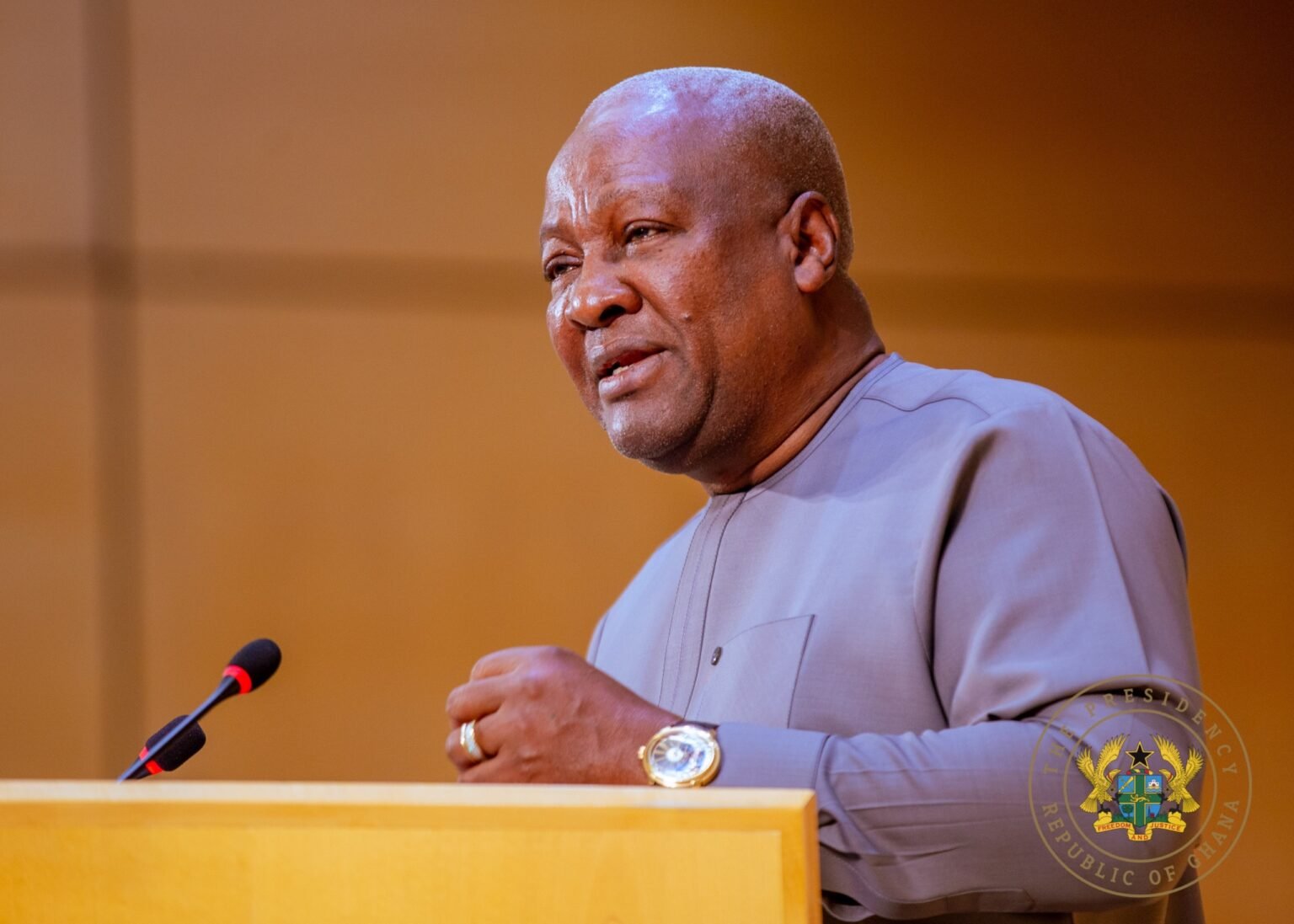
Addressing the 79th World Health Assembly (WHA) of the World Health Organisation in Geneva on Monday, May 18, 2026, President Mahama said the move forms part of Ghana’s broader push toward “health sovereignty” under the Accra Reset Initiative.
He explained that Ghana’s health reforms are designed to reduce dependency on external financing and strengthen domestic capacity to fund and deliver essential health services sustainably.
“We are witnessing the end of an era, and we must have the courage to build the next one,” the President said, arguing that shifting global health financing patterns have exposed the limitations of donor-dependent systems.
He noted that cuts in international health assistance, including the withdrawal of significant bilateral and multilateral funding, have had direct consequences for health programmes across Africa, including Ghana.
According to him, Ghana alone lost about $78 million following the closure of USAID-supported programmes, affecting key interventions in malaria control, maternal and child health, nutrition, and HIV/AIDS treatment support.
President Mahama said these developments reinforce the urgency for African countries to invest in resilient, self-reliant health systems rather than depend on external aid flows.
In outlining Ghana’s progress, he highlighted reforms such as the expansion of the National Health Insurance Scheme (NHIS), which now covers an estimated 66% of the population, as well as the rollout of the Free Primary Health Care programme to reach underserved communities.
He also cited the removal of the NHIS funding cap, which unlocked an additional GHS 3 billion (about $300 million) for health investment, alongside digital reforms aimed at improving efficiency and reducing fraud in claims management.
On non-communicable diseases, the President referenced the Ghana Medical Trust Fund (MahamaCares), describing it as a national safety net designed to ensure access to high-cost treatments for conditions such as cancer, cardiovascular diseases, liver disease, and kidney failure.
“These domestic achievements are the foundation of my leadership of the Accra Reset Initiative,” he said, adding that Ghana is deliberately positioning itself to reduce reliance on GAVI vaccine support by 2030.
Beyond Ghana’s domestic reforms, President Mahama used his address to call for a rethinking of global health governance, warning against fragmentation and inefficiencies in international health institutions.
He argued that health sovereignty should be defined by countries’ ability to finance, regulate, and produce critical health inputs locally, rather than relying on external systems.
President Mahama is leading the Accra Reset Initiative, a reform agenda aimed at reshaping global health architecture and strengthening health systems across the Global South.
The WHA session brought together global health leaders, including WHO Director-General Dr Tedros Adhanom Ghebreyesus and senior government officials from around the world, to deliberate on the future of global health cooperation.
Source: Starrfm.com.gh