A trail of plastic waste carpets the shoreline of Jamestown Beach in Accra. The waves no longer deliver only the day’s catch but also bottles, bags and discarded packaging swept in from near and far.
Haaji Anye sells fish along the coastline. She says the pollution is threatening her livelihood.
“These days I do not get enough fish from the fishermen. They complain that they are catching more plastic than fish whenever they go fishing.”

Her experience mirrors a growing reality across coastal communities in Africa, Asia and small island nations, where fishers say their nets are increasingly filled with rubbish instead of seafood.
For fishermen in Jamestown, they often come back to shore with nets tangled in plastic. They have to spend time and money repairing damaged gear, while bringing home smaller catches. So fish sellers like Haaji Anye then struggle to buy enough fish to meet demand, something that affects not only their own income, but also many people that depend on the
local fishing trade.
The United Nations estimates that up to 23 million tonnes of plastic waste enter the ocean every year, carried by rivers and currents into some of the world’s richest fishing grounds. Once there, it breaks down into tiny particles, and spreads into fishing grounds and marine habitats.
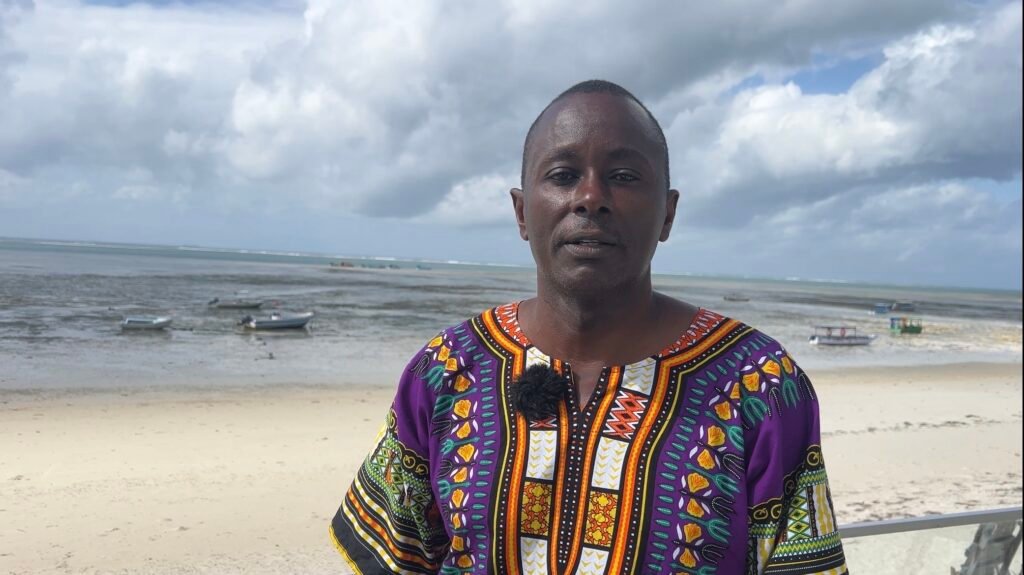
Fisheries and coastal management expert Nyaga Kanyange warns that the consequences extend far beyond lost income for fishing families.
“We have marine animals there and, for example, sea turtles. When they see plastics, they sometimes confuse them with food. When they ingest them, it becomes a serious problem, they can die. And we know turtles are endangered species.”
The crisis is fueled by a global addiction to plastic.
Every year, the world produces more than 400 million tonnes, yet only about 10 percent is recycled. The remainder is buried in landfills, burned, or eventually leaks into rivers and oceans, where it can persist for decades.Scientists also warn that plastics are closely linked to climate change because most plastics are made from fossil fuels and their production
generates greenhouse gas emissions.
Funding gap widens despite new pledges
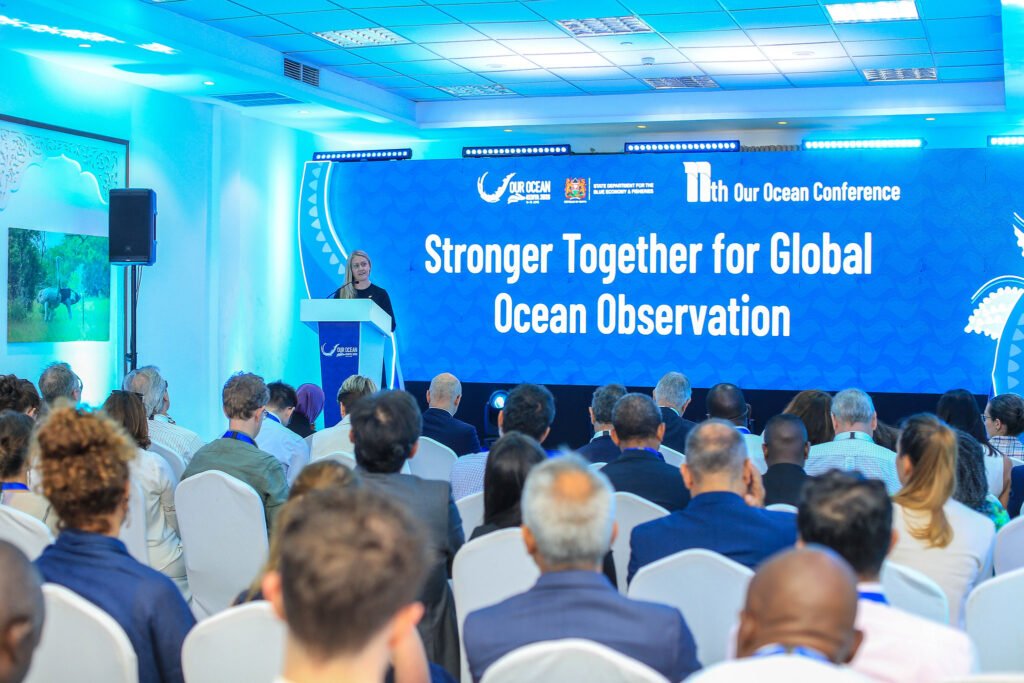
Against this backdrop, world leaders gathered in Mombasa, Kenya for the 11th Our Ocean Conference, where marine pollution was high on the agenda. Governments, development agencies and private actors announced new commitments aimed at improving recycling systems, strengthening waste management, and reducing plastic leakage into the sea.
But the debate over funding revealed deep divisions.
Delegates from Africa and the Global South also pushed back on existing financing models, arguing that 54 percent of past ocean and climate funding has gone to large Global North-led projects rather than frontline coastal communities most affected by marine pollution.
That imbalance reflects a broader political fault line over responsibility and delivery.Wealthier countries and major plastic-producing economies are under growing pressure to pay more, but negotiations on global rules for plastic reduction remain stalled.
Without a binding international treaty on production cuts and financing, many governments and private donors are holding back long-term commitments.
At the same time, economic strain and competing priorities, including debt servicing and climate adaptation costs, have led some governments to scale down environmental pledges or shift funds away from ocean-specific programmes.
Last year, governments, businesses and other stakeholders announced 43 commitments worth more than 400 million dollars to combat marine pollution, much of it aimed at reducing plastic waste. This year, participants unveiled 45 commitments valued at just over 200 million dollars; slightly more initiatives, but with barely half the funding.
Environmental advocates warn that ambition is not translating into action.
Asma Awadh, who manages the Coastal Kenya Programme at the conservation organisation World Wide Fund, says meaningful progress requires coordinated international action and sustained financial support.
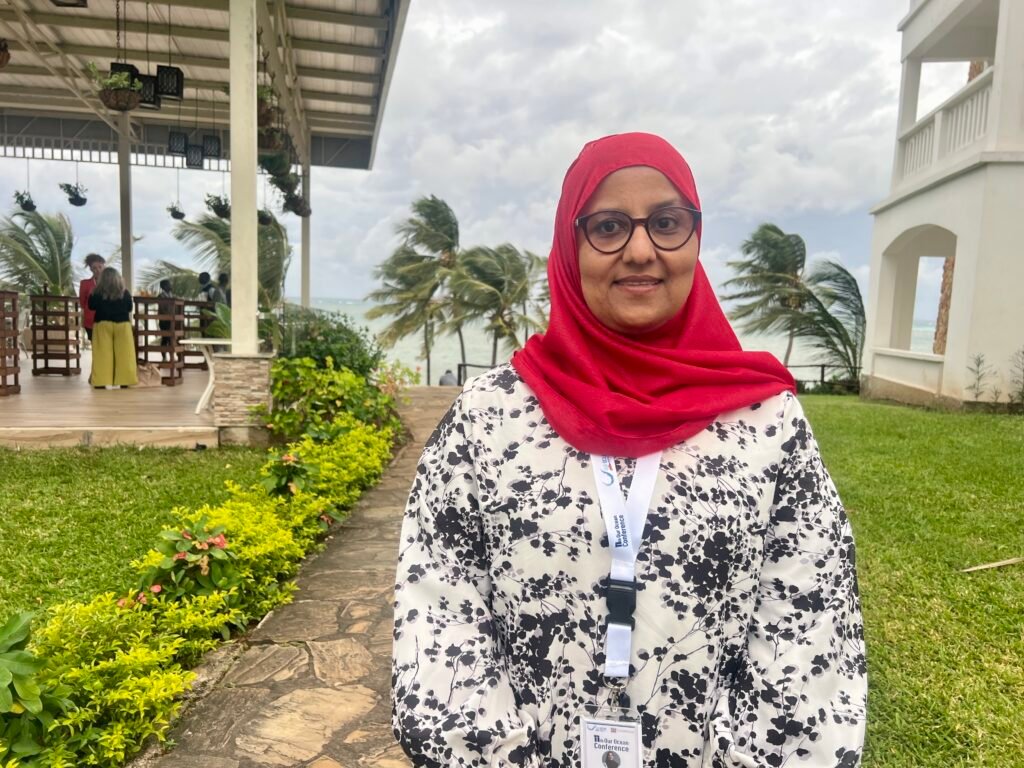
“These commitments have to come at many levels. The waste doesn’t just come from one country, it also arrives from elsewhere through ocean currents. There has to be a commitment to reduce the use of plastic, especially non-recyclable plastic. There also has to
be funding for small Island and developing states that did not create the problem but are suffering because of where they are.”
Analysts say unlocking that funding will require countries to present credible implementation plans. Manufacturers and investors remain cautious in places where extended producer responsibility laws are weak, waste data is incomplete and recycling systems remain fragmented.
They also argue that beach clean-ups alone cannot solve the problem. Most marine litter comes from land, where poor waste collection systems, open dumping and inadequate recycling infrastructure allow plastic to flow into drains and rivers before eventually reaching the sea.
Ghana tries to turn the tide
Some countries are beginning to respond. Ghana is expanding producer responsibility measures that require companies to help manage the waste generated by their products. Authorities are also considering restrictions on some single-use plastics, including Styrofoam food containers, while supporting recycling initiatives and community waste collection programmes.

Ghana’s Fisheries and Aquaculture Minister Emelia Arthur believes the response must cut across sectors while creating economic opportunities.
“The marine pollution issue cannot be tackled by only one sector; it requires an intersectoral mandate. In the meantime, we can have programmes where we collect waste, train young people and establish community-based mini factories to turn the waste into products that communities need. That’s an approach that could work under the blue economy.”
Back on the shores of Jamestown, where the tide continues to wash plastic onto the beach, Haaji Anye says communities like hers cannot afford more delays.

For her, it comes down to whether fishing communities can keep working the sea, and whether the ocean will remain a source of food and livelihood instead of plastic.
STORY BY: NABIL AHMED RUFAI – Freelance Journalist
Note: This story was produced as part of the 2026 Our Ocean Conference Fellowship organized by Internews’ Earth Journalism Network.