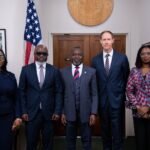
Fifteen countries from Africa, Asia, the Caribbean, Europe and the Pacific have adopted the Mombasa Declaration, committing to advance fisheries transparency and strengthen efforts to combat illegal, unreported and unregulated (IUU) fishing.
The declaration was adopted on June 17, 2026, during the 11th Our Ocean Conference in Mombasa, Kenya, bringing together countries committed to improving ocean governance and promoting greater accountability in the fisheries sector.
The signatory countries include Belgium, Cameroon, Chile, the Dominican Republic, France (on behalf of its overseas territories), The Gambia, Ghana, Guinea, Liberia, Panama, Papua New Guinea, Peru, the Republic of the Congo, Somalia and South Korea.
The Mombasa Declaration serves as a call to action for coastal and flag states to improve the collection, sharing and accessibility of fisheries data, particularly information relating to vessel ownership, licensing and fishing activities. It builds on the Global Charter for Fisheries Transparency, which outlines 10 low-cost or no-cost policy principles that governments can adopt to strengthen transparency in fisheries governance.
Under the declaration, participating countries have pledged to implement practical reforms, including modernising vessel registries, publishing fishing authorisations and improving information-sharing systems to support enforcement and accountability across the fisheries sector.
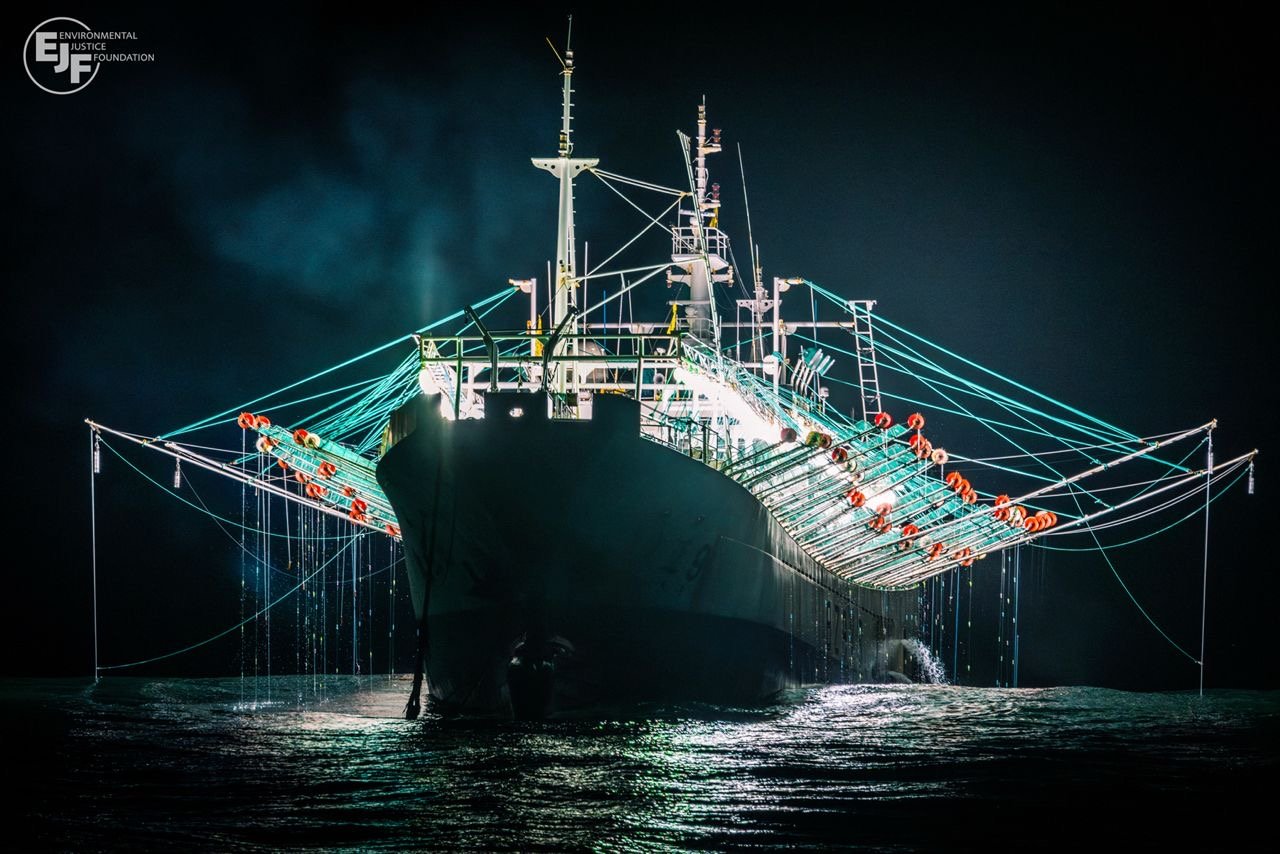
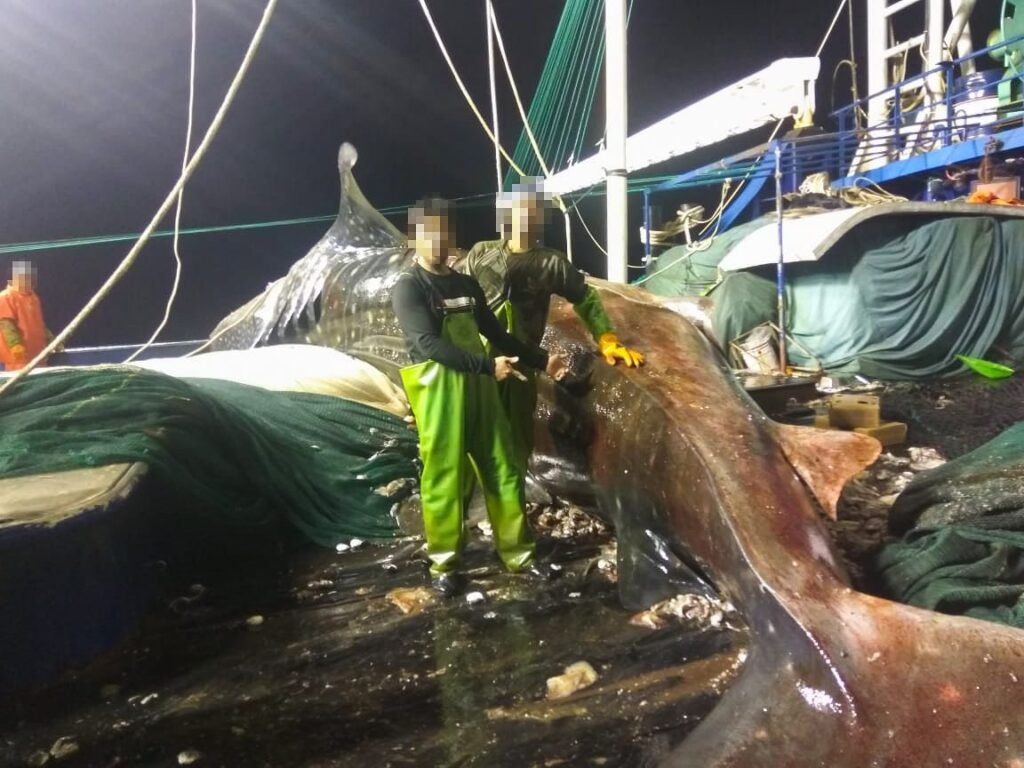
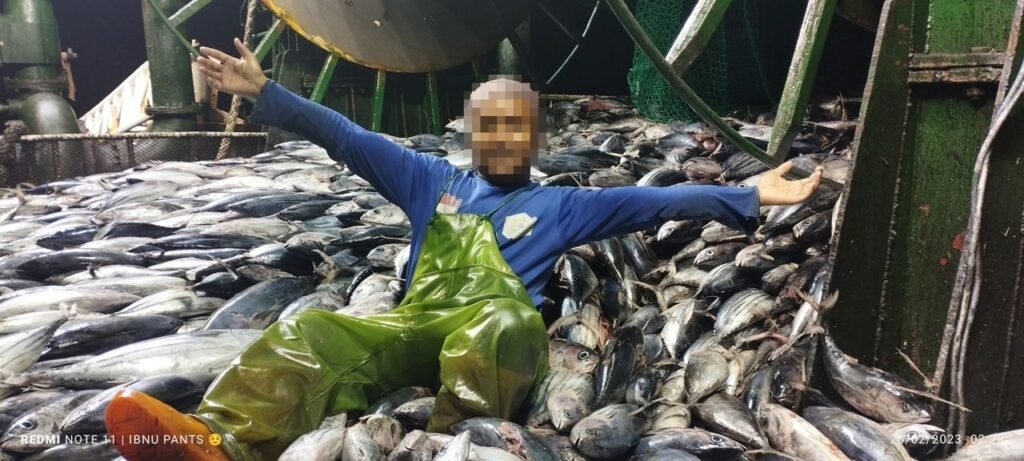
Illegal, unreported and unregulated fishing remains a major global challenge, threatening marine ecosystems, food security and livelihoods in many coastal communities. Experts estimate that IUU fishing costs the global economy up to $50 billion annually, while contributing to declining fish stocks and undermining sustainable fisheries management.
Speaking at the conference, Ghana’s Minister for Fisheries and Aquaculture Development, Emelia Arthur, highlighted the importance of fisheries to Ghana’s economy and food security.
“In my country, our very existence depends on fish. Sixty percent of our animal protein comes from fish, and ten percent of our population depends on the fisheries value chain for livelihood,” she said.
She noted that Ghana’s decision to join the declaration reflects its commitment to collaborating with other countries to promote transparency and accountability within the fisheries sector.
France’s Minister Delegate for the Sea and Fisheries, Catherine Chabaud, described the declaration as an important opportunity for governments to demonstrate political commitment to improving fisheries governance and tackling illegal fishing through greater international cooperation.
The declaration was developed with support from the Coalition for Fisheries Transparency and its partners, including academics and practitioners working to advance accountability and transparency in fisheries management worldwide.
Director of the Coalition for Fisheries Transparency, Maisie Pigeon, said the declaration demonstrates growing global momentum towards stronger ocean governance and sustainable fisheries management.
She noted that the countries endorsing the declaration represent diverse economies and regions, highlighting increasing international recognition of the importance of transparency in protecting marine resources and supporting a sustainable blue economy.
Representatives from environmental and marine conservation organisations also welcomed the initiative, describing transparency as a critical tool in addressing illegal fishing, protecting fish stocks and safeguarding the livelihoods of coastal communities.
The adoption of the Mombasa Declaration marks the beginning of a broader campaign to encourage more countries to join the initiative ahead of the next Our Ocean Conference in 2027, as participating nations move to implement the commitments outlined in the declaration.