A major effort to restore Ghana’s polluted and silted rivers is set to begin in the Western Region, with the Environmental Protection Authority (EPA), in partnership with the Western Regional Coordinating Council, preparing to dredge the Pra, Bonsa and Tano rivers. The intervention aims to improve water flow, reduce flooding and restore water quality, with the flood-prone River Tano at Samreboi receiving immediate attention.
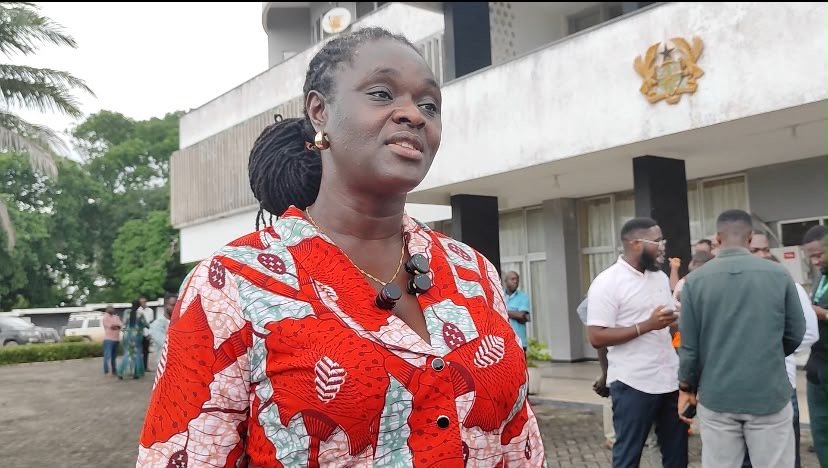
Professor Nana Ama Browne Klutse, Chief Executive of the Environmental Protection Authority (EPA), says a nationwide assessment by the Authority has revealed that many of Ghana’s rivers have become heavily choked with silt and sand, while illegal mining activities have diverted several rivers from their natural courses.
Speaking during the first day of her three-day working visit to the Western Region, Professor Browne Klutse explained that restoring the natural flow of rivers is the first and most critical step before any water purification technology can be effective.
“EPA did a proof of concept with technology to clean our water bodies, but one major challenge we encountered was that the rivers are no longer flowing freely. Even if you treat the water, it cannot move because the rivers are blocked with silt. The first thing we need to do is dredge the rivers and restore the flow. After that, we can apply the ionic nano copper technology to remove heavy metals and reduce turbidity. This will also help the Ghana Water Company access cleaner raw water for treatment.”
She stressed that the EPA-funded intervention will go beyond routine dredging. According to her, engineers will undertake comprehensive restoration works to reconnect rivers to their original channels, allowing water to flow naturally from their sources all the way to the sea.
Professor Browne Klutse disclosed that while the exercise will cover several major rivers, priority will be given to the River Tano in the Samreboi area, where recent flooding caused widespread destruction.
Meanwhile, Western Regional Minister Joseph Nelson has welcomed the initiative, describing it as timely. He noted that restoring the Pra and Bonsa rivers is particularly important because they serve as major sources of drinking water for residents of the Tarkwa-Nsuaem and Sekondi-Takoradi municipalities, as well as several surrounding communities.
The dredging project forms part of broader efforts by the EPA to tackle river pollution, improve water quality and strengthen Ghana’s resilience against flooding and the environmental impact of illegal mining.
Source: Starrfm.com.gh