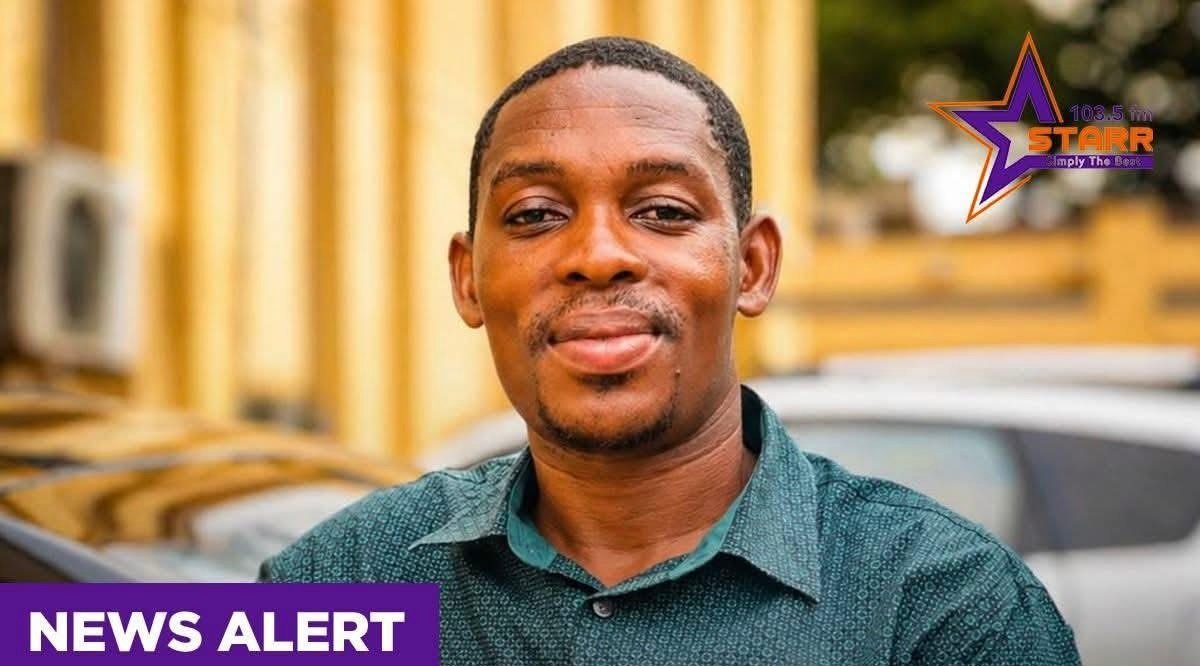
Housing advocate and public policy commentator Reindolph Afrifa-Oware has renewed calls for the reintroduction of elections for Metropolitan, Municipal and District Chief Executives (MMDCEs), arguing that Ghana’s current appointment system has weakened local governance, reduced accountability, and hindered effective development at the grassroots.
According to him, if Ghana is genuinely committed to decentralization, the people must be empowered to elect their own local leaders rather than have them appointed through partisan political considerations.
“The current flood situation across many parts of the country has once again exposed the weaknesses of our local governance system and the inability of many MMDCEs to effectively respond to the needs of their communities. Citizens deserve leaders who are directly accountable to them and whose continued stay in office depends on their performance,” he stated.
Afrifa-Oware noted that elected MMDCEs would be compelled to prioritize local development, address pressing community concerns, and deliver measurable results or risk being voted out by the electorate.
He further argued that Ghana continues to lose valuable years under a governance structure that discourages independent-minded, competent citizens from serving at the local level.
“Our local assemblies need bold and independent leaders who can make difficult decisions in the interest of their communities—not politically motivated appointees who have the authority to act but are constrained by partisan interests and political loyalty,” he said.
He stressed that electing MMDCEs would deepen democratic accountability, strengthen citizen participation, improve service delivery, and promote responsive governance at the district level.
Afrifa-Oware therefore urged government, Parliament, political parties, and civil society organizations to revive national discussions on electing MMDCEs as a critical reform to Ghana’s decentralization agenda.
“The time has come to trust the people. Ghana cannot continue to postpone this important democratic reform. We must deepen accountability, empower our communities, and give capable Ghanaians the opportunity to serve their districts based on competence and the confidence of the electorate—not political patronage,” he concluded.