The Volta River Authority (VRA) as a responsible corporate institution has reemphasized its full commitment to the sustainable development of communities within its operational areas.
Over the past 64 years the Authority has implemented a wide range of community development initiatives across key sectors such as Education, Health, Environmental protection, Water and Sanitation which is guided by a CSR Policy and Community Development Programme (CDP) framework.
Their CSR interventions are anchored on four strategic pillars outlined in their policy: Education, Socio-economic Empowerment, Health and Sanitation, and Environmental Stewardship. Highlights of these efforts include:
Education:
Since 2011, 449 students have benefited from their CDP. Educational Scholarships which includes 234 beneficiaries at the Senior High School (pre Free SHS) and 215 at the tertiary level.
To inspire academic excellence and guide the career path of students within our communities, they have instituted the Employee Volunteer Programme (EVP) which mobilizes Staff of the Authority to undertake career guidance, counselling and teaching exercises in Public Senior High Schools at no cost to the institutions.
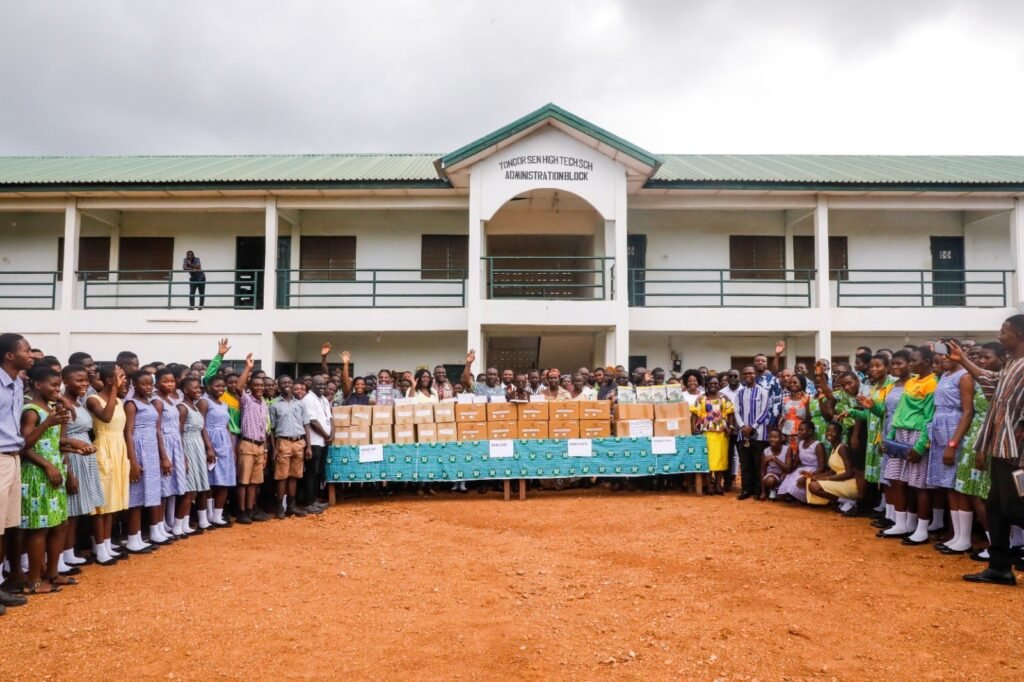
Their Education scheme ensures that they make educational donations, provide teaching and learning materials as well as support infrastructure projects as their contribution to the development of education in all communities impacted by our operations.
Economic Empowerment:
Initiatives such as beekeeping, fruit-tree cultivation, among other poverty-alleviation programmes continue to enhance livelihoods in riparian communities. They continue to support communities to initiate and train Persons on other Alternative Livelihood Programmes to improve their economic status.
Health & Sanitation:
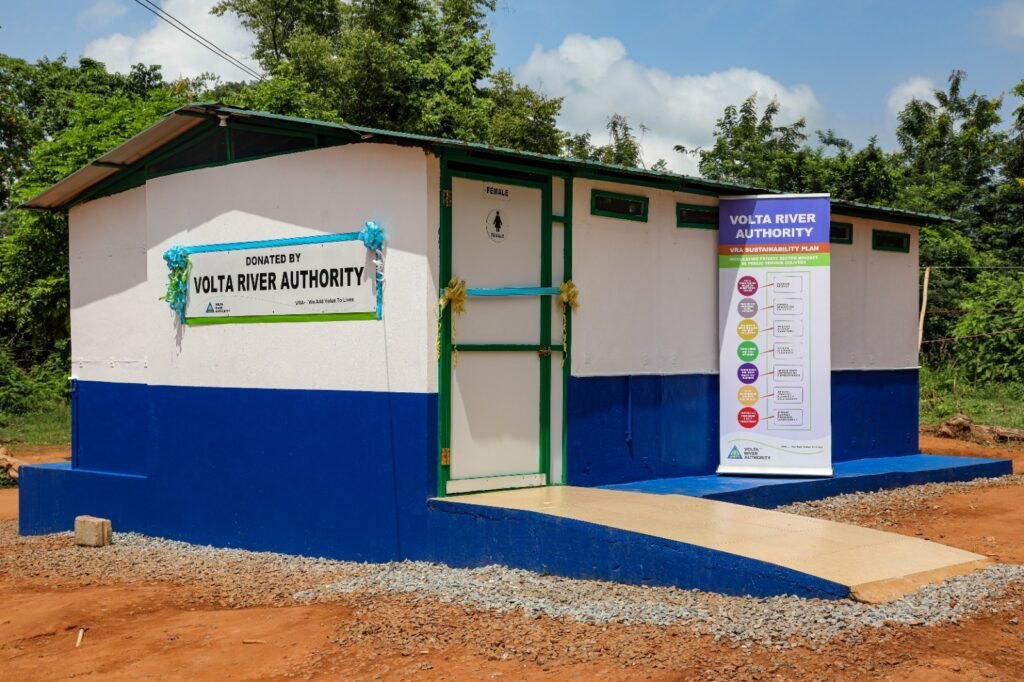
To improve the health and sanitation of communities in line with the UN Sustainable Development Goal (SDG) 6, they have installed a number of Solar Mechanized Boreholes and Water system and Biofil Sanitation facilities in various districts. This action does not only promote public health and hygiene but forms part of their Schistosomiasis (Bilharzia) control programme.
Environmental Stewardship:
The Authority remains committed to environmental protection through reforestation, watershed management, aquatic weed management, and pollution control, particularly within the Volta Gorge and downstream catchment areas.
They have also continuously supported cultural activities and events that document the oral history, uphold the culture and traditions of all communities impacted by their operations.
In the Akuse area for instance, VRA’s support has spanned several critical areas such as the award of scholarships to brilliant but needy children, donation of educational materials, employee volunteer programmes, support for cultural activities in line with the customs of the land.
VRA also facilitated the improvement works on the stretch from Okwenya Junction to the Akuse VRA Junction to enhance mobility and access, among others.
In collaboration with Staff groups such as VRA Ladies (VRALA) and Association of VRA Technician Engineers (AVRATE), orphanages have been supported, refurbished the Natriku D/A Primary School block and provided accommodation for some management staff of the Akuse Hospital.
It is noteworthy that while critical social infrastructure such as roads generally falls under the mandate the local government institutions, the Authority has collaborated with stakeholders to support access and mobility initiatives in various communities as required and as financial means will permit.
The Volta River Authority is and remains committed to adding value to lives in all operational areas which includes the people of Akuse, Akosombo, Akuse, Tema, Kpone, Aboadze and Anwomaso and its environs and assures of consistent support for sustainable community development.
VRA will continue to engage with local authorities and traditional leaders to support critical needs within the scope of our mandate and resources.
The Volta River Authority remains open to constructive dialogue, meaningful partnerships and is dedicated to sustainable and inclusive development and will continue to engage key stakeholders such as traditional leaders, local government, and community stakeholders to support them as they seek to address their priority needs within the scope of our mandate and available resources.