
The National Coordinator of the Ghana School Feeding Programme (GSFP), Hajia Fati Forgor, has reaffirmed the government’s commitment to improving the quality of meals served to school children through enhanced nutrition training, closer monitoring, and digital reforms.
“His Excellency John Rahman Imamah did not leave school feeding out and resetting the country as a nation. Today, you hardly hear caterers complaining of non-payments. Considering the large numbers we are dealing” she said
Speaking during her maiden official visit to the Eastern Region which begun Thursday July 16, Hajia Forgor said the visit was aimed at monitoring the implementation of the programme in selected schools while assessing an ongoing nutrition training for caterers and programme officers on local meals.
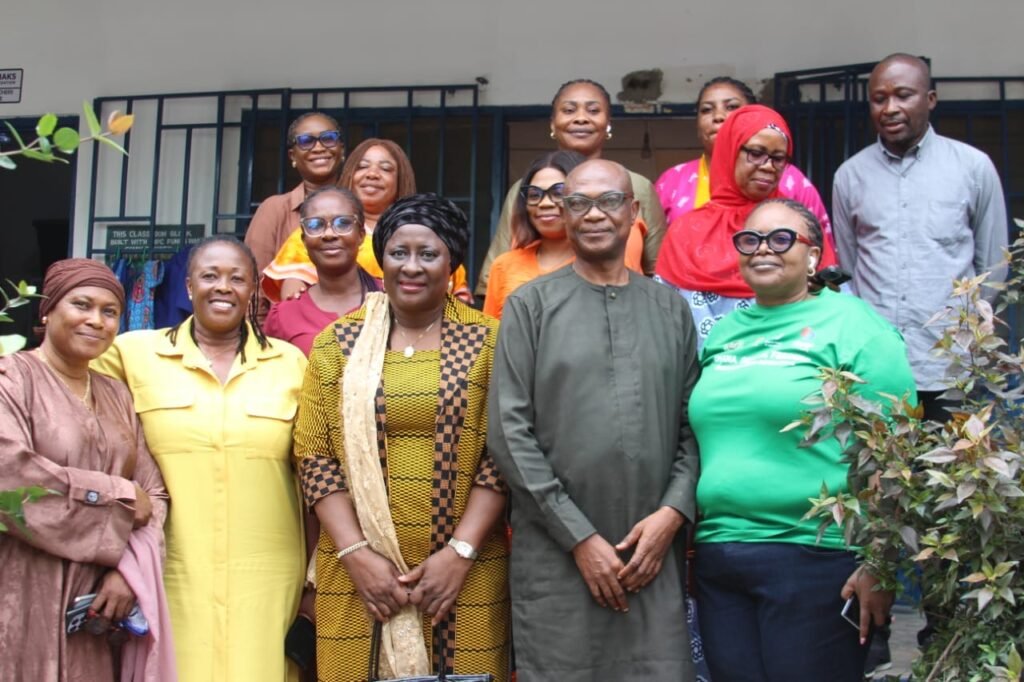
As part of the tour, she paid a courtesy call on New Juaben South Municipal Education Office education before visiting Adweso SDA Basic School and Good Shepherd Anglican Basic School in the New Juaben South Municipality.
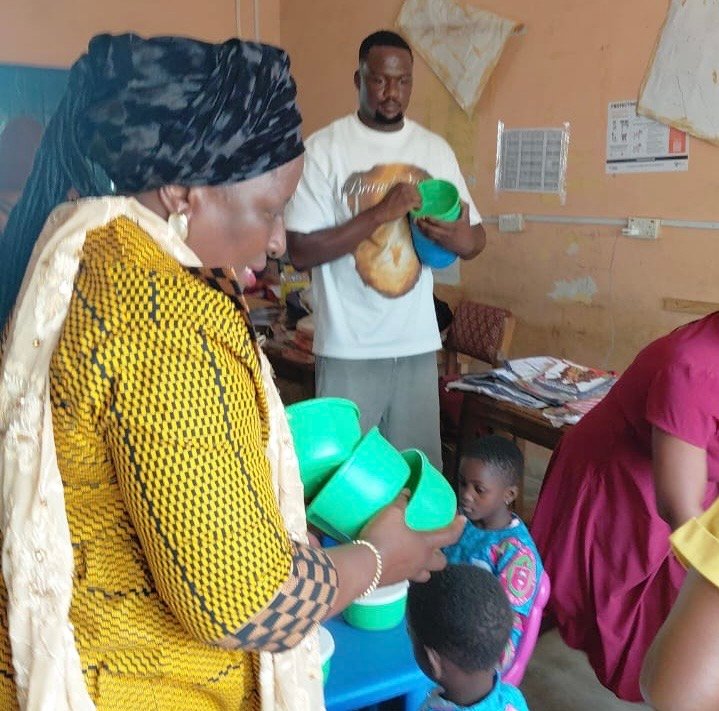
She expressed satisfaction with the quality of meals being and commended the caterers and school authorities for their commitment to delivering nutritious meals to the pupils.
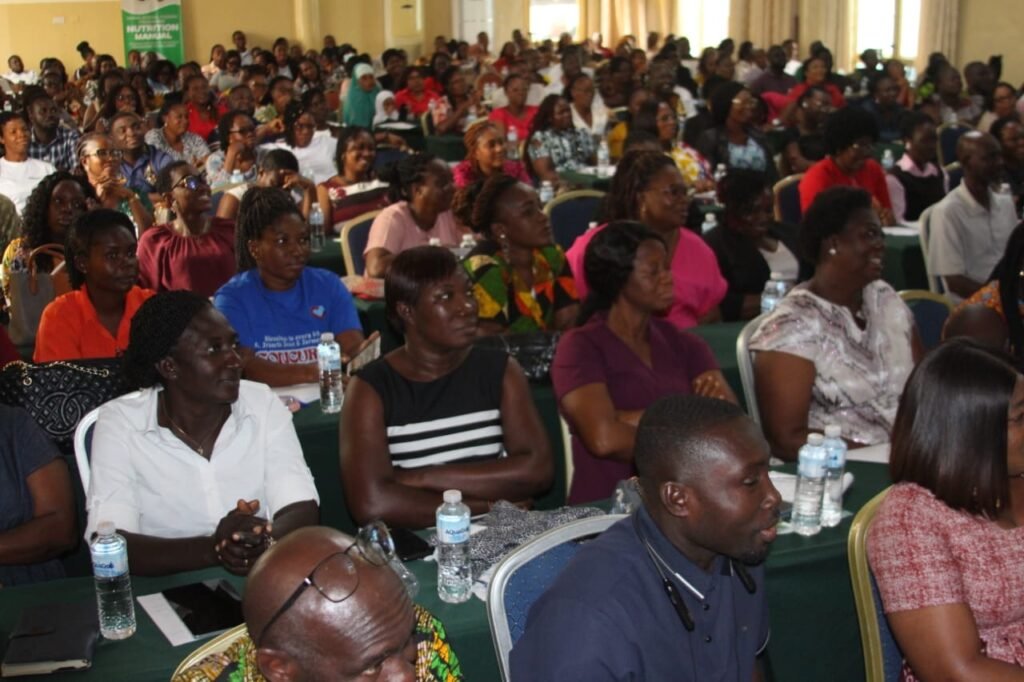
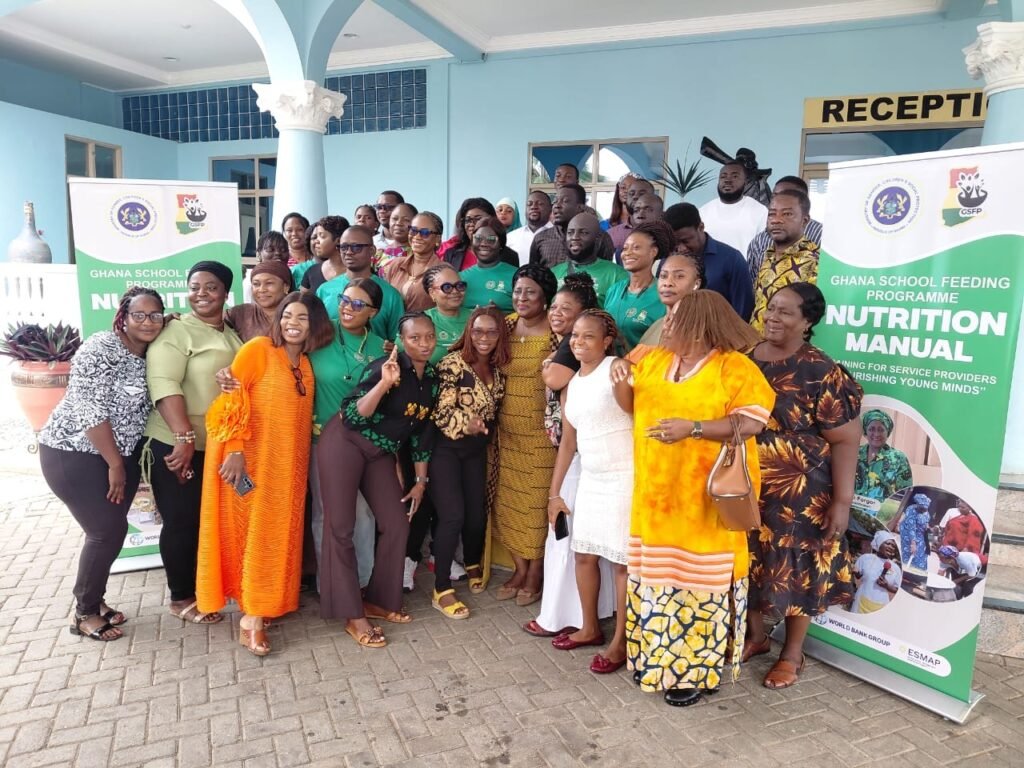
Speaking to the media, the National Coordinator of School Feeding Program said the ongoing nutrition training for service providers is designed to equip caterers with knowledge on preparing balanced meals using locally available food ingredients.
She said the programme seeks to promote indigenous foods that are nutritious, affordable and healthier than heavily processed imported foods, while ensuring that the nutritional value of meals is not compromised.
The National Coordinator explained that the training is being implemented in collaboration with development partners, including the World Bank and other stakeholders, who have developed nutrition manuals to guide caterers in preparing balanced meals for school children.
She noted that trained officers would subsequently train caterers across the country as part of efforts to reset and strengthen the school feeding programme.
Hajia Forgor said significant progress has been made in improving the school feeding programme under the current administration, citing timely payments to caterers and an increase in the feeding grant from GH¢1.50 to GH¢2.00 per child per day.
While acknowledging that a few caterers occasionally complain about delayed payments, she explained that many of the issues result from documentation and administrative errors, which are promptly addressed by the Secretariat.
She urged caterers to use the increased grant responsibly by maintaining high food quality and incorporating affordable but highly nutritious local ingredients into meals.
On the possible expansion of the School Feeding Programme, Hajia Forgor said discussions are ongoing at the ministerial level, but any large-scale expansion would require Cabinet approval due to the substantial financial commitment involved.
She disclosed that the government currently spends approximately GH¢9 million each day to feed school children across the country, amounting to an estimated GH¢1.9 billion annually.
According to her, while government remains committed to expanding the programme to reach more schools, the financial implications require careful consideration.
She expressed optimism that increased support from development partners would strengthen the programme and create opportunities for future expansion to benefit more school children across Ghana.
The National Coordinator also highlighted ongoing digital reforms within the programme, revealing that the Secretariat is transitioning from manual data collection to an electronic monitoring system.
She said development partners have donated tablets to support digital monitoring, enabling real-time data collection and improving supervision of the programme nationwide.
Source: Starrfm.com.gh