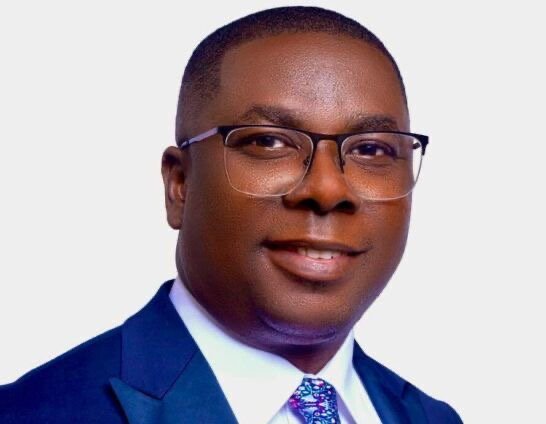
Tano North Member of Parliament and Deputy Ranking Member of Parliament’s Finance Committee, Dr Gideon Boako, has called for closer scrutiny of the financial records of the Ghana Gold Board (GoldBod) to establish the true nature of its reported contribution to Ghana’s foreign exchange reserves.
His comments come amid renewed public discussion over GoldBod’s foreign exchange generation and its role in supporting the country’s reserves under the Ghana Accelerated National Reserve Accumulation Policy (GANRAP).
GoldBod recently reported generating US$1.871 billion in foreign exchange from its artisanal and small-scale mining gold operations in September 2026, of which US$1.170 billion was provided to the Bank of Ghana for reserve accumulation.
Dr Boako, however, said the discussion should go beyond the headline figures and examine the financial obligations underpinning GoldBod’s gold purchases.
He argued that the reported US$1.8 billion in foreign exchange generation should be assessed against GoldBod’s outstanding obligations to the Bank of Ghana, including about GH¢3.7 billion in gold supplies he said remained outstanding in 2025.
According to the MP, the financing structure of GoldBod’s operations is critical to determining how much of the foreign exchange generated can ultimately support Ghana’s reserves.
He explained that where gold purchases are financed by commercial banks, the funds would have to be repaid through corresponding foreign exchange sales.
Similarly, where financing is provided by off-takers, he said, the obligations would have to be matched with gold deliveries or related proceeds.
Dr Boako said the potential sources of funding that could allow the foreign exchange proceeds to support reserves would therefore include financing from the Ministry of Finance or debt instruments issued by GoldBod.
“The true length of this GoldBod arrangement will be known when we finally stretch the books,” he said.
The MP also questioned whether the Bank of Ghana was still financing GoldBod despite its stated intention to exit the funding arrangement.
He further called on GoldBod to provide clarity on the reported GH¢5 billion commitment from the Ministry of Finance, particularly how much of the amount has so far been utilised for gold purchases.
The questions come as GoldBod operates under a new financing model following the transfer of domestic gold-purchasing responsibilities from the Bank of Ghana to the institution. GoldBod said the new model involves collaboration with commercial banks and other market participants to finance its gold operations while generating foreign exchange for the market and reserve accumulation.
The Bank of Ghana’s previous Domestic Gold Purchase Programme has also been the subject of scrutiny. The International Monetary Fund’s 2026 Article IV report said the programme generated significant losses for the central bank in 2025 and noted that a GH¢5 billion government cost-sharing arrangement was subsequently put in place.
GoldBod has maintained that its operations have generated substantial foreign exchange and supported the accumulation of Ghana’s international reserves.