The Food and Beverages Association of Ghana (FABAG) has called for the immediate suspension of the Ghana Standards Authority’s (GSA) newly introduced Ghana Easy Pass Conformity Programme, describing it as an unnecessary bureaucratic burden that threatens to harm businesses and drive up costs for ordinary Ghanaians.
FABAG in a press release expressed its “strongest condemnation” of the mandatory pre-export conformity verification regime for imported products destined for Ghana.
The association argued in the strongly worded release that the programme duplicates the roles of existing regulatory bodies arguing that will impose additional financial and logistical strains on importers at a time when the private sector is already under significant pressure.
“At a time when businesses are struggling to survive under the weight of rising operational costs, this policy represents yet another unnecessary burden on legitimate businesses,” the statement read in part.
The statement continued that “it is difficult to understand why government would seek to impose another layer of bureaucracy and cost on importers when existing regulatory institutions are already adequately mandated to ensure product safety and standards.”
FABAG further called on government to instead strengthen the Food and Drugs Authority (FDA), Ghana Standards Authority (GSA), Ghana Revenue Authority (GRA), Ghana Ports and Harbours Authority, and other agencies which are already performing these necessary inspections, testing, and quality assurance.
To them, this would be better than introducing parallel systems.
The association warned that the programme would force importers to pay extra certification fees, incur administrative expenses, face shipment delays, and absorb higher compliance costs — expenses that would ultimately be passed on to consumers through increased prices.
“The ordinary Ghanaian will pay the price. Businesses have barely recovered from the introduction of the AI Publican system and other regulatory reforms…the private sector cannot continue to absorb an endless stream of new costs without serious consequences for investment, employment, and consumer prices”
The statement also referenced past widespread rejection of similar conformity verification programmes following extensive consultations with the business community, questioning why the policy is being revived despite previous objections.
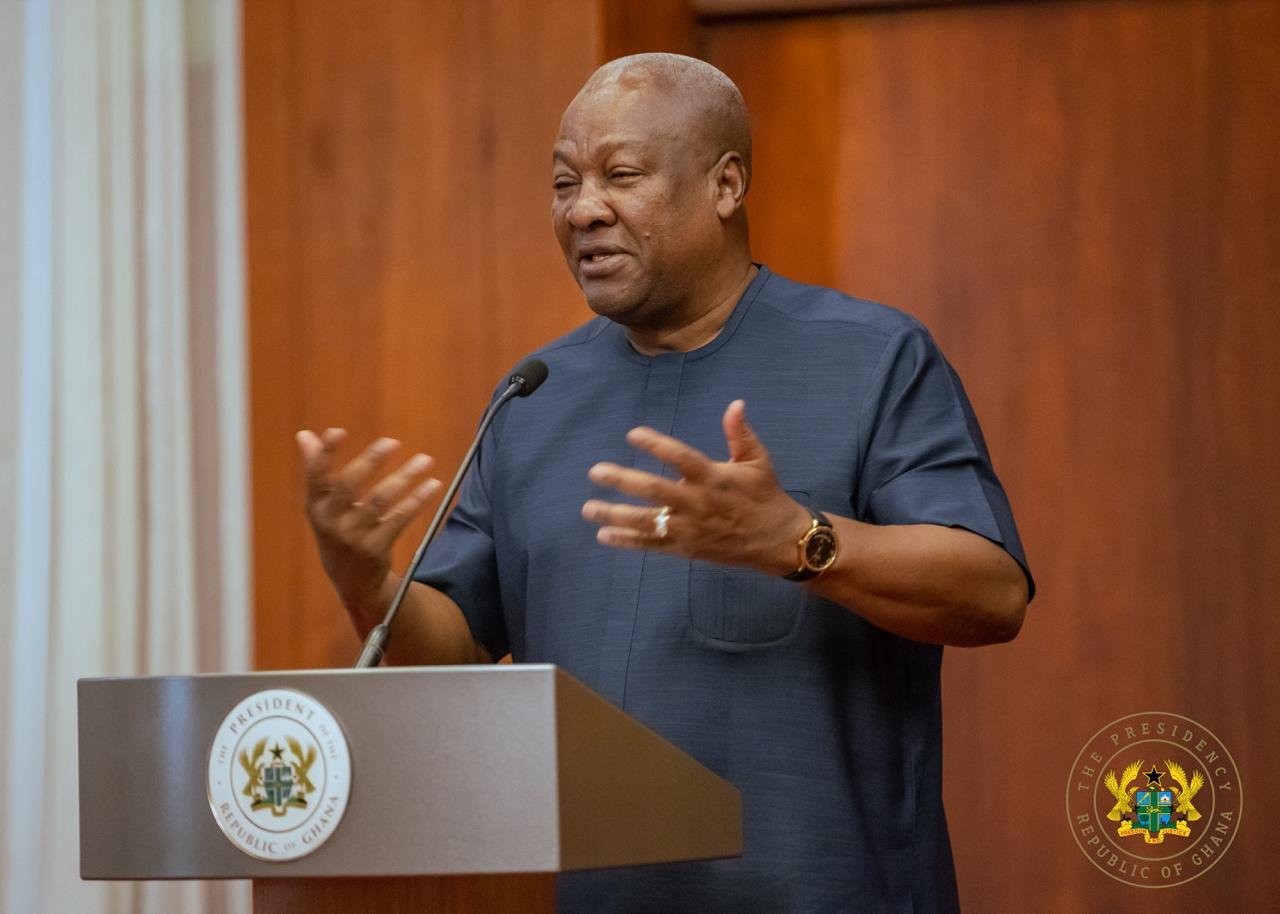
FABAG directly appealed to President John Dramani Mahama, reminding his administration of pledges to create a business-friendly environment.
“Government can not genuinely speak about improving the ease of doing business while simultaneously introducing measures that make doing business more expensive. We respectfully urge Your Excellency to direct the Ghana Standards Authority to withdraw this policy and engage the business community in genuine consultations to find practical solutions that protect consumers without imposing avoidable costs on businesses,” the statement continued.
The association concluded by calling on all business groups, chambers of commerce, importers, manufacturers, distributors, and the wider private sector to unite against policies that increase the cost of doing business in Ghana.
“Our economy does not need more bureaucracy! Our businesses do not need more costs! Our consumers do not need higher prices! Ghana needs policies that encourage enterprise, not policies that punish it,” FABAG declared. “THIS IS BECOMING TOO MUCH!”
The Ghana Easy Pass Programme has not yet been officially commented on by the GSA or the Presidency.