As Ghana joins the global community to commemorate World Mangrove Day 2026, ActionAid Ghana, together with Habitat for Humanity International (HFHI), UN-Habitat, and the University of Twente, is launching a large-scale
mangrove restoration initiative in the Ada West District under the Improved Resilience of Coastal Communities in Côte d’Ivoire and Ghana (IRCC) Project, funded by the Adaptation Fund.
The initiative responds to the growing climate crisis affecting Ghana’s coastal communities, where more than 60% of the country’s coastline is vulnerable to erosion and flooding. Through ecosystem restoration and community-led climate action, the project seeks to strengthen the resilience of communities whose livelihoods, food security, and wellbeing are increasingly threatened by climate change.
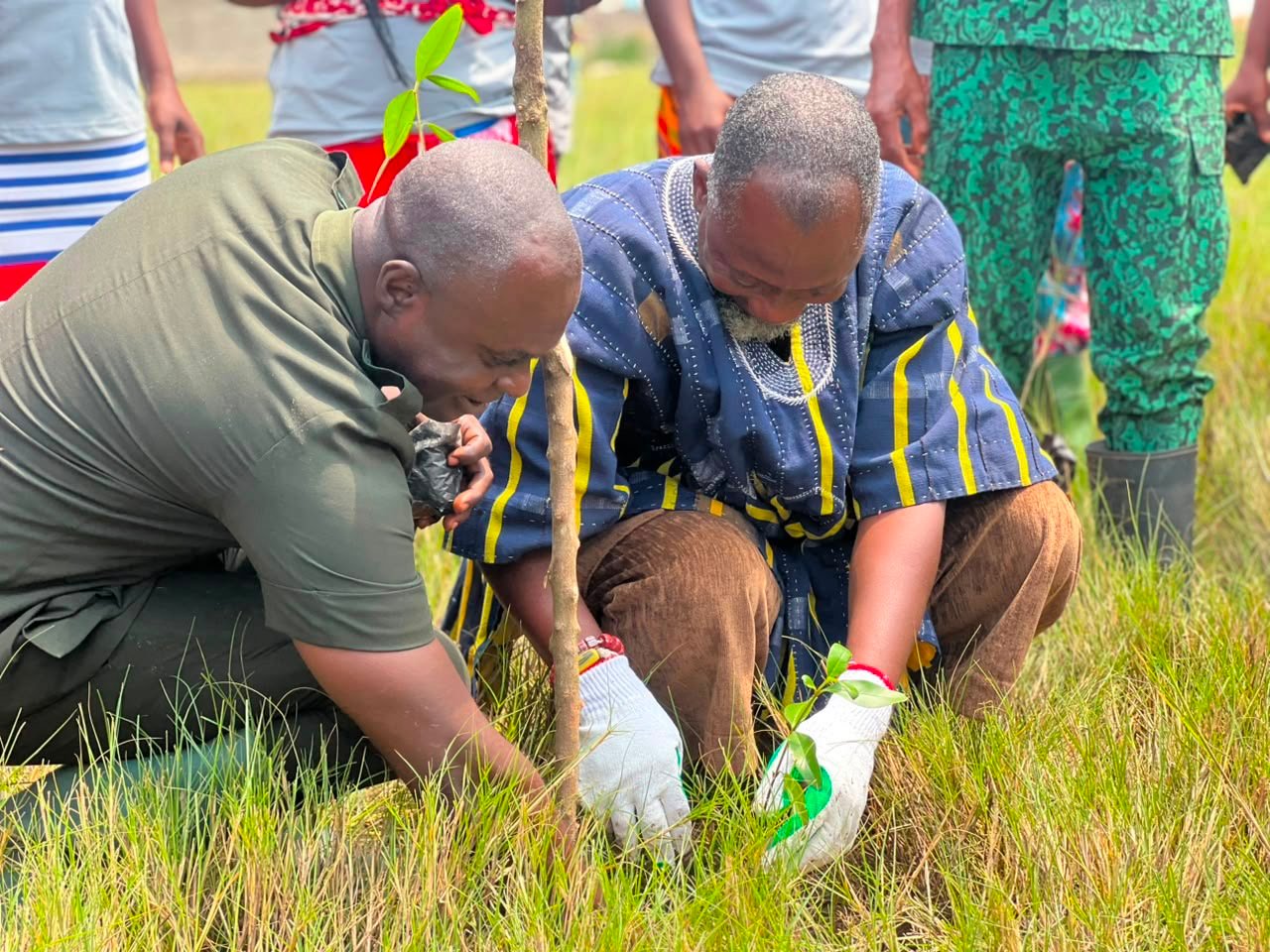
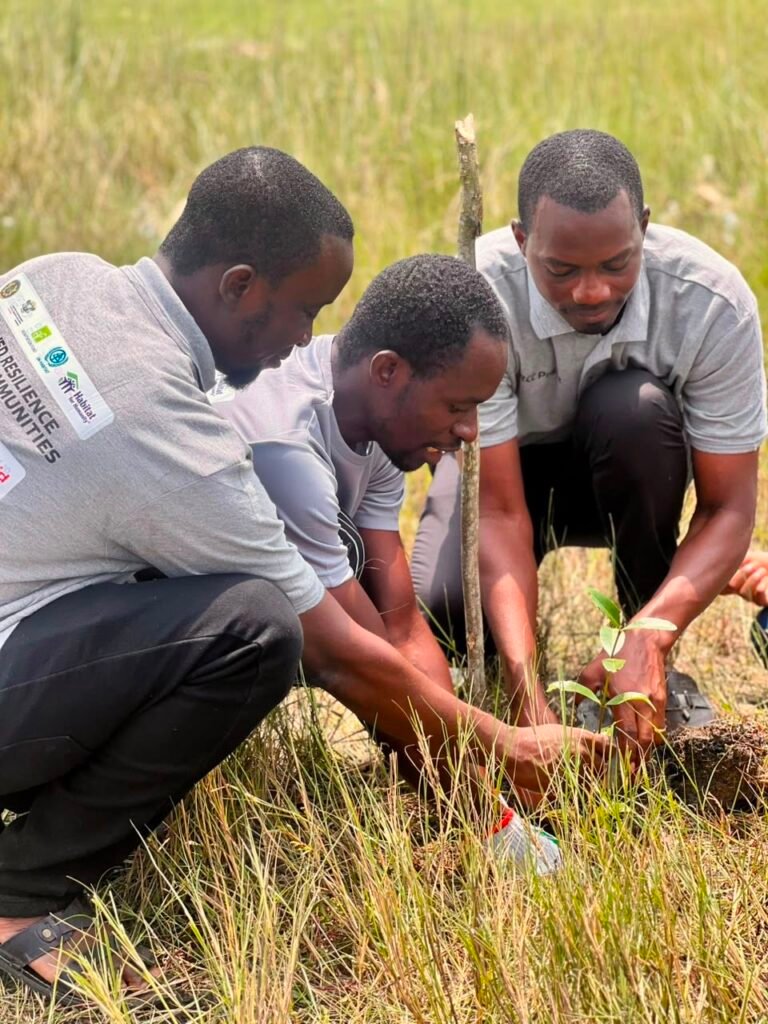
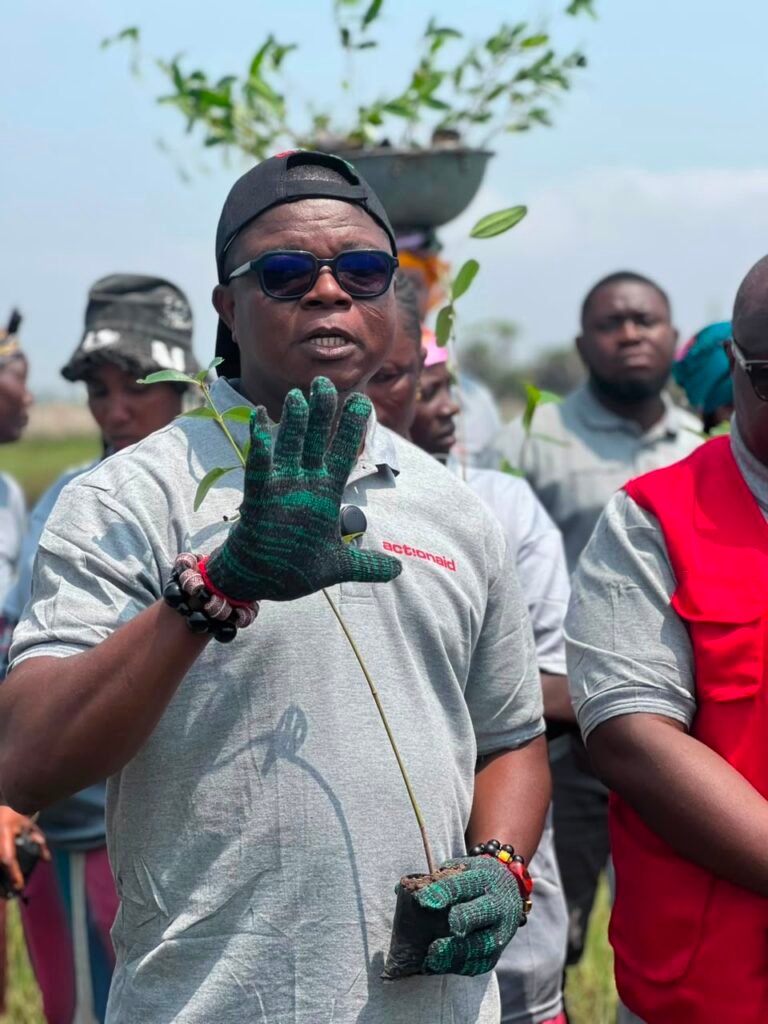
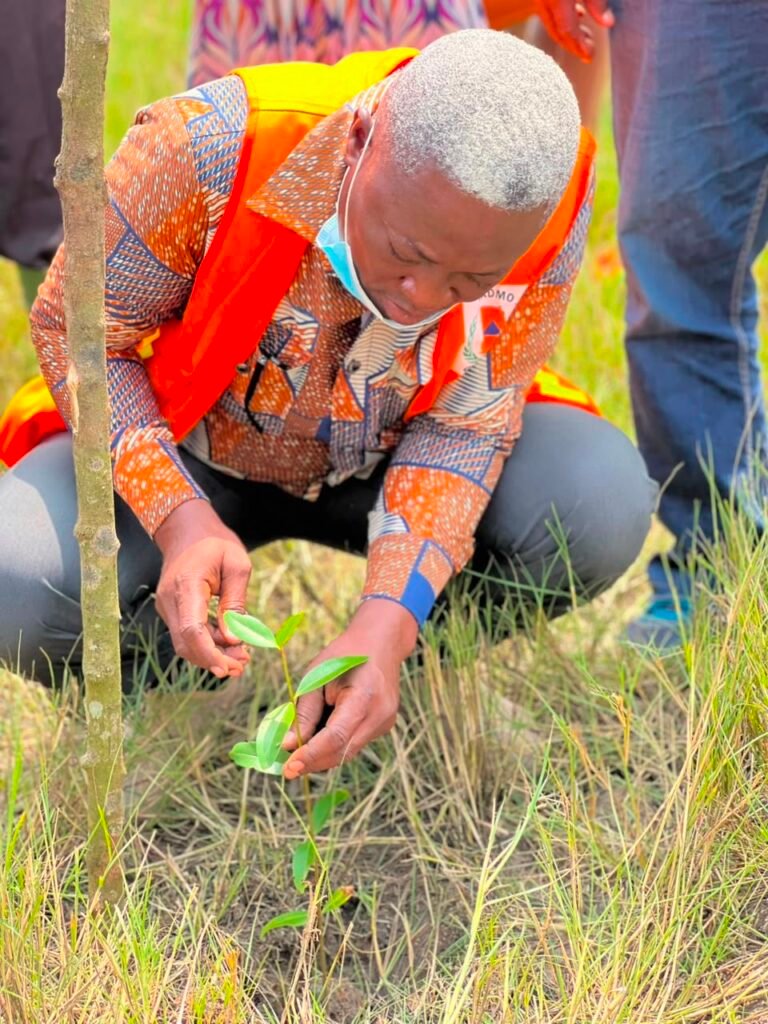
The Official Inaugural Mangrove Planting Ceremony, scheduled for Monday, 27 July 2026, at Wokumagbe in the Ada West District, marked the commencement of the restoration of 38 hectares of degraded mangrove ecosystems through the planting of approximately 95,000 mangrove seedlings in the communities of Wokumagbe and Goi.
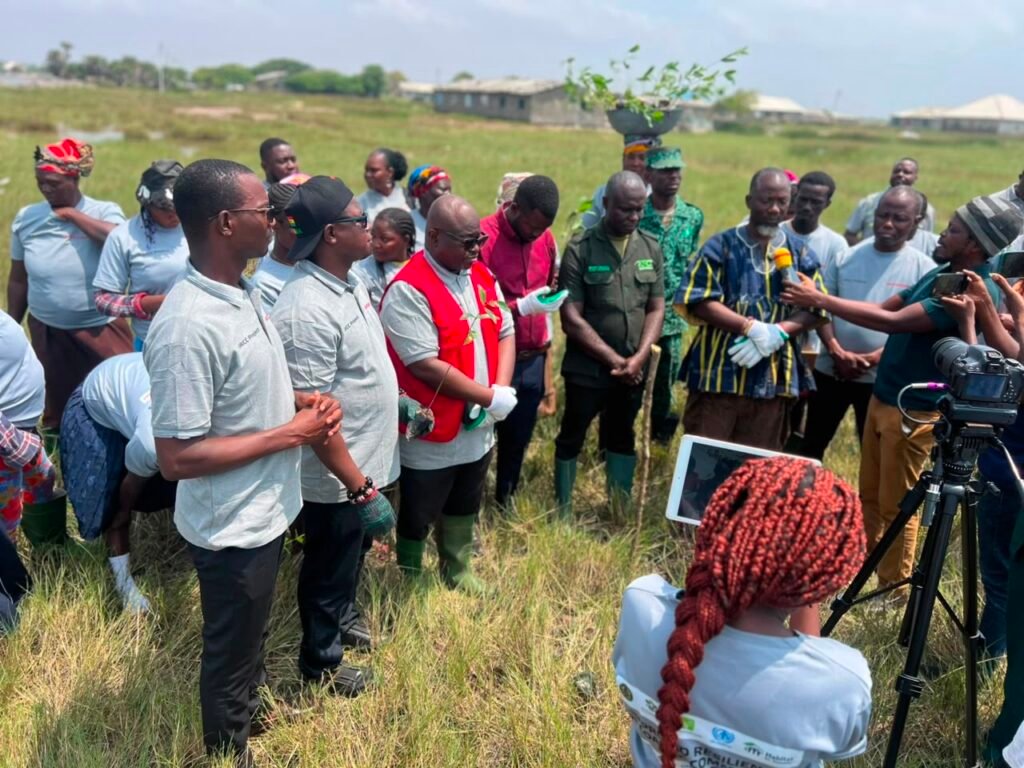
This milestone forms part of the IRCC Project’s broader commitment to restore 410 hectares of degraded mangrove ecosystems in Ghana while advancing nature-based solutions that enhance biodiversity, protect coastal ecosystems, and strengthen the adaptive capacity of vulnerable coastal communities.
The Ada West restoration builds on the project’s successful first phase in the Anloga District, where 95,300 mangrove seedlings are being planted, demonstrating the impact of collaborative, community-led efforts to restore degraded ecosystems and promote climate resilience.
Responding to Ghana’s Coastal Climate Challenge
Mangrove restoration has become an urgent priority as Ghana continues to experience the devastating impacts of climate change on its coastal ecosystems.
According to the Forestry Commission of Ghana, Global Mangrove Watch, the IUCN Red List of Ecosystems Programme, and the Ramsar Information Service, Ghana has an estimated 13,000–14,000 hectares of mangrove forests, concentrated mainly within the Volta Delta, Keta Lagoon Complex, Songor Lagoon, Densu Delta, Muni Lagoon, and Ankobra Estuary.
However, these critical ecosystems continue to face increasing pressure from unsustainable harvesting for fuelwood and fish smoking, urban expansion, salt mining, pollution, and climate change. As a result, more than 60% of Ghana’s coastline remains vulnerable to coastal erosion and flooding, threatening biodiversity, livelihoods, food systems, and the resilience of coastal communities.
The Volta Delta, where the IRCC Project is being implemented, is recognised as one of West Africa’s most significant coastal wetland ecosystems, supporting thousands of people through fishing, farming, and salt production. Protecting these ecosystems is therefore essential for advancing climate justice, environmental sustainability, and resilient
livelihoods.
Nature-Based Solutions for Climate Justice
Mangroves are among the world’s most effective nature-based solutions for climate adaptation. They stabilise shorelines, reduce coastal erosion and flooding, absorb and store significant amounts of carbon, conserve biodiversity, improve fish breeding habitats, and sustain the livelihoods of coastal communities. The World Mangrove Day event will bring together government institutions, traditional
authorities, community leaders, development partners, environmental agencies, civil society organisations, youth volunteers, women, and the media to reaffirm their collective commitment to restoring Ghana’s coastal ecosystems and advancing locally led climate action.
The ceremony will also provide an opportunity for participants to engage with community members and witness firsthand how ecosystem restoration is contributing to stronger resilience, improved livelihoods, and sustainable natural resource management.
ActionAid Ghana and the IRCC Consortium Partners call on government, development partners, the private sector, traditional leaders, and local communities to increase investment in mangrove restoration and ecosystem conservation as essential climate adaptation measures that leave no one behind.
Project at a Glance
- 93,300 mangrove seedlings already planted in Anloga District
- 95,000 mangrove seedlings to be planted in Wokumagbe and Goi, Ada West
- 38 hectares of degraded mangrove ecosystems targeted for restoration in Ada West
- 410 hectares to be restored under the IRCC Project in Ghana
- 13,000–14,000 hectares of mangrove forests remain in Ghana
- More than 60% of Ghana’s coastline is vulnerable to coastal erosion and flooding
- The pilot mangroves restoration in Anloga and Ada West 25,000 and 12,500 respectively in December 2025.
About the IRCC Project
The Improved Resilience of Coastal Communities in Côte d’Ivoire and Ghana (IRCC) Project is funded by the Adaptation Fund and implemented by ActionAid Ghana, Habitat for Humanity International (HFHI), UN-Habitat, and the University of Twente. The project
supports vulnerable coastal communities in Ghana and Côte d’Ivoire through ecosystem restoration, climate-resilient infrastructure, and community-led adaptation, contributing to long-term climate resilience, environmental sustainability, and inclusive development