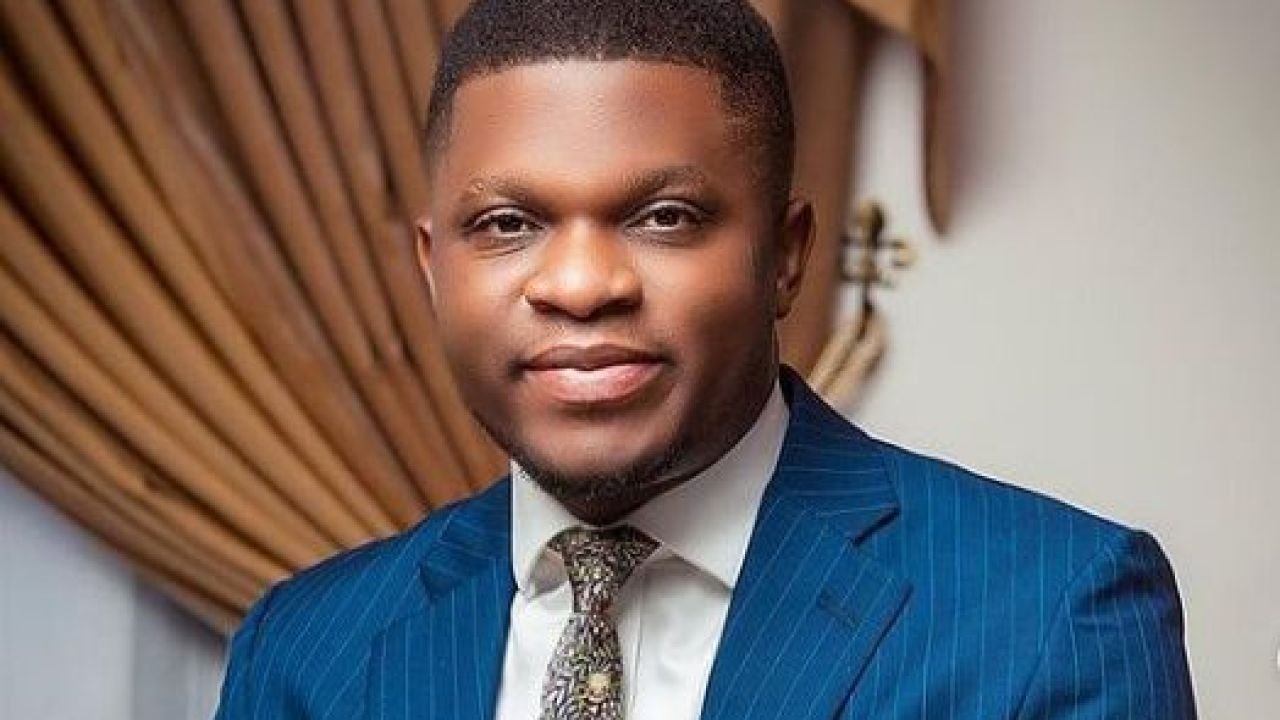
What began as a personal gesture has erupted into a national firestorm. Last Saturday, May 10, a video showing the National Communications Officer of the National Democratic Congress (NDC), Sammy Gyamfi, handing $800 to Evangelist Patricia Oduro Koranteng widely known as Nana Agradaa went viral.
In the days that followed, Ghana’s political temperature soared. Critics called for his resignation, while supporters rushed to his defense. The incident has reignited intense debates about political conduct, public accountability, and the ever-blurring lines between personal generosity and public duty.
Sammy Gyamfi, currently serving as the Acting Chief Executive Officer of the Ghana Gold Board (GoldBod), issued a public apology after facing a torrent of backlash over the cash donation to the controversial former fetish priestess-turned-evangelist.
Speaking in Twi, Nana Agradaa defended the gesture, claiming the money was not offered with ill intent. She alleged that she had requested compensation for her contributions including her private residence to the NDC’s 2024 election campaign.
“I asked for what was owed to me after giving so much to the party,” she asserted, attempting to defuse concerns about ethical violations and damage to the government’s anti-corruption credibility.
The Ghana Integrity Initiative (GII) quickly weighed in. Its Executive Director, Mary Addah stressed the need for transparency around public officials’ salaries and benefits. She described the government’s handling of the situation as a crucial test of its anti-corruption stance.
As tensions escalated, Sammy Gyamfi was summoned by the Chief of Staff Julius Debrah. The Minority in Parliament demanded stringent sanctions and called for a full investigation into the source of his wealth.A member of the Finance Committee Dr. Abdul Kabiru Mahama cited breaches of financial laws including the Foreign Exchange Act, 2006 (Act 723) and the Currency Act, 1964 (Act 242).
“The action of Mr. Gyamfi in holding and disbursing foreign currency without proper authorization is an offense,” Dr. Mahama asserted.
“This is an insult to millions of Ghanaians battling the collapse of the cedi, skyrocketing inflation, and soaring living costs.”
Governance Analyst Dr. Frederick Oduro described the gesture as a display of “opulence” at odds with the prevailing economic hardship.
The largest opposition party New Patriotic Party (NPP) amplified the pressure, urging President Mahama to interdict Gyamfi. At a press conference, the party’s National Organizer Henry Nana Boakye called the act “reckless and inappropriate,” drawing comparisons to the Cecilia Dapaah scandal, which triggered a high-profile investigation despite her long public service.
“Madam Dapaah resigned and faced scrutiny. Why should Mr. Gyamfi be treated differently?” Boakye questioned. “We demand the same level of accountability.”
The NPP further called for the resignation of party appointees who simultaneously serve as government officials, citing conflict of interest concerns.
Amid mounting public outrage, private citizen Eric Dumenu Akatsi petitioned the Commission on Human Rights and Administrative Justice (CHRAJ) to investigate the source of the $800.
Despite widespread calls for Gyamfi’s removal, the Presidency declared the matter closed after his apology. At a May 14 press briefing, government spokesperson Felix Kwakye Ofosu stated that the Chief of Staff had accepted Gyamfi’s apology and issued a formal caution.
“The Presidency does not believe further action is necessary,” Kwakye Ofosu said. “He has been cautioned to reflect public sentiment in his actions moving forward.”
However, this decision drew fierce criticism. MP for Walewale, Dr. Tiah Abdul-Kabiru Mahama, accused President Mahama of acting as a “clearing agent” for misconduct.
“I am deeply disappointed. The President swore to uphold the Constitution—not to shield allies from accountability,” he said.
The NPP subsequently filed petitions with CHRAJ, the Police CID, and the Office of the Special Prosecutor (OSP), seeking an independent probe. MP for Gambaga/Nalerigu, Alhaji Nurudeen Muhammad Mumuni, insisted that a crime had been committed.
“This is not a matter of apology. It’s about legality,” he said.
As investigations loom, the dollar gift saga underscores the fragile balance between personal discretion and public accountability in Ghana’s political landscape. Whether Gyamfi’s gesture was an act of goodwill or a breach of trust may ultimately be judged through the lens of political loyalty rather than law.
But in a country grappling with economic strain and deep partisan divides, one thing is clear: in Ghana, even $800 can spark a political earthquake.
Source: Ghana/Starrfm103.5FM/Benjamin Sackey