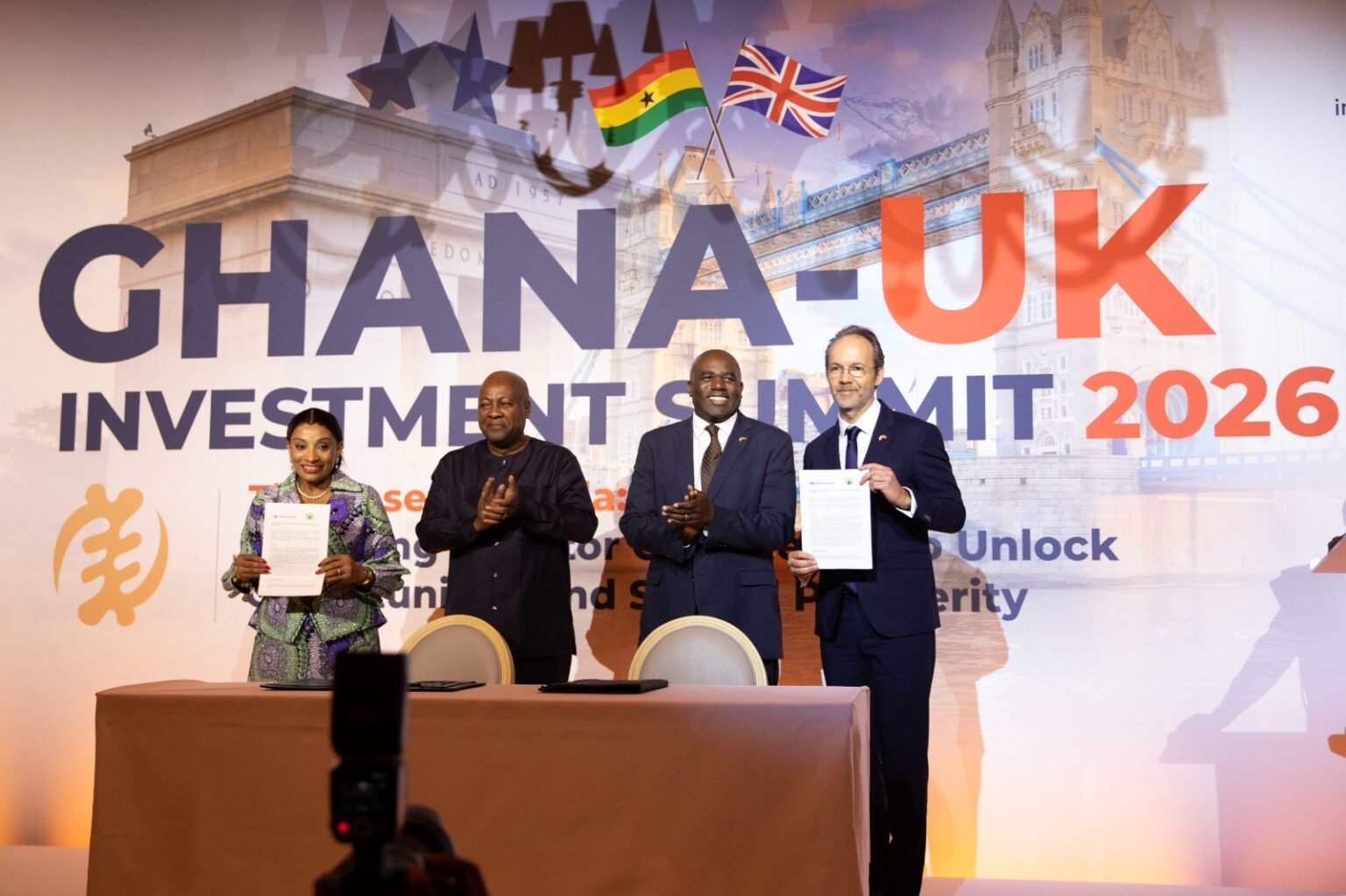
The governments of the United Kingdom and Ghana have launched a new Growth Partnership aimed at creating jobs, strengthening infrastructure, expanding trade, and improving skills development across Ghana.
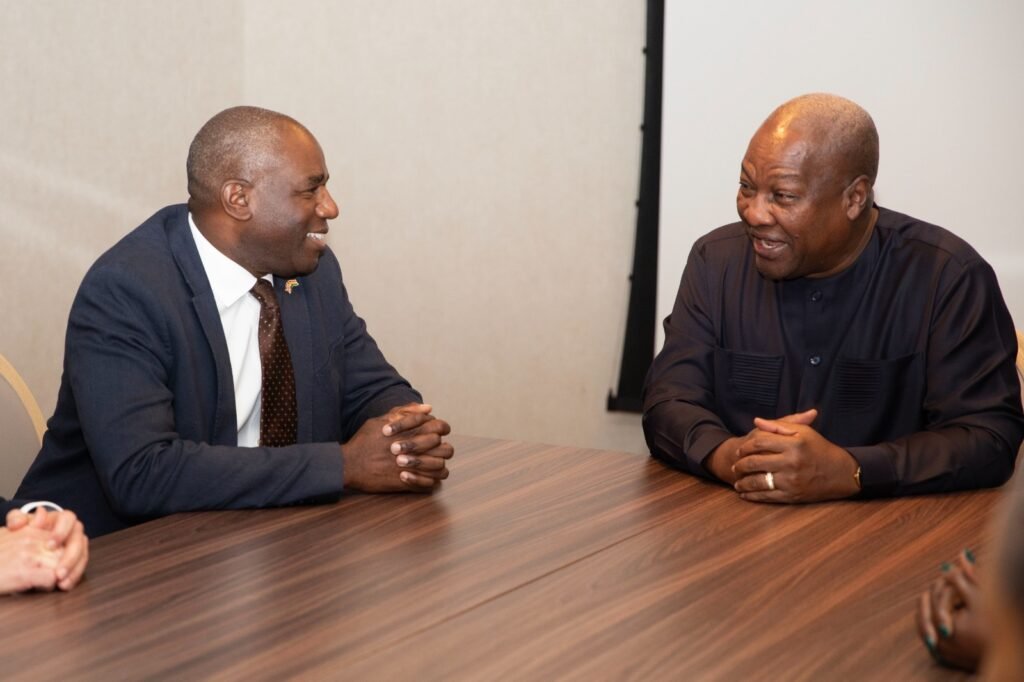
The partnership was signed on June 1, 2026, during the official visit of John Dramani Mahama to the United Kingdom and is expected to guide cooperation between the two countries from 2026 to 2028.
According to the agreement, the partnership will build on up to £215 million worth of deals signed during the Ghana Investment Summit in London and focus on attracting private investment, boosting trade, supporting industrial and infrastructure development, and expanding educational opportunities.
A key component of the partnership is a £101 million UK-supported maritime infrastructure project to develop the first commercial-scale ship repair and dry-docking facility in the Gulf of Guinea. The Takoradi Floating Dock Project, known as ShipRite, is being delivered in partnership with the Ghana Ports and Harbours Authority and is expected to create up to 430 direct jobs, with about 30 percent reserved for women.
The facility is expected to position Ghana as a regional maritime hub while reducing emissions associated with long-distance vessel travel for repairs.
The partnership also includes a £5 million Green Project Preparation Facility designed to help transform climate-focused infrastructure concepts into bankable projects. The initiative, hosted by Financial Sector Deepening Africa in collaboration with the Ghana Infrastructure Investment Fund, is expected to unlock up to £180 million in infrastructure deals over the next three years.
In the area of environmental sustainability, UK-based company Mere Plantations announced plans to scale up plantation and reforestation activities in Ghana through an £85 million investment fund. The initiative, supported by the Forestry Commission, is expected to restore degraded lands, create jobs, and position Ghana as a destination for nature-based investment.
The partnership also places significant emphasis on technology and innovation. A new collaboration backed by £6 million in UK funding will support the implementation of Ghana’s Artificial Intelligence strategy and strengthen science and technology partnerships between institutions in both countries.
As part of the initiative, ten new physics partnerships have been established through collaboration between Ghanaian and UK universities.
Further investment will be directed toward forest restoration efforts in the Oti Region, where Rainforest Builder plans to inject £9 million into environmental conservation and livelihood projects.
Education and skills development also feature prominently in the agreement. New Transnational Education guidelines are expected to facilitate partnerships between Ghanaian and UK institutions, providing greater access to quality education and training opportunities.
Additionally, a £4 million five-year partnership between a UK training provider and Ghana-based Mangel Klicks will deliver specialist clinical engineering training to strengthen healthcare systems and technical skills across Ghana and the wider region.
British High Commissioner to Ghana, Christian Rogg, described the partnership as one that would deliver practical benefits to ordinary people.
“This Growth Partnership is about real change people can see and feel. It means more skilled jobs, stronger ports and transport links, better access to finance, and new opportunities for young people and women across Ghana,” he said.
He added that the partnership would support sustainable and inclusive growth driven by Ghana’s own development priorities.
The agreement comes as Ghana and the United Kingdom mark five years of the UK-Ghana Trade Partnership Agreement, which entered into force in 2021. Bilateral trade between the two countries has grown to approximately £1.6 billion, representing a 12.5 percent increase since 2024.
Officials say the new Growth Partnership reinforces the UK’s commitment to supporting Ghana’s economic transformation while creating opportunities for investment, trade, infrastructure development, and skills advancement.