The Youth Bridge Foundation (YBF) has stressed the need for young people to be equipped with knowledge of the national budget to effectively track and hold the government accountable for youth-centered promises.
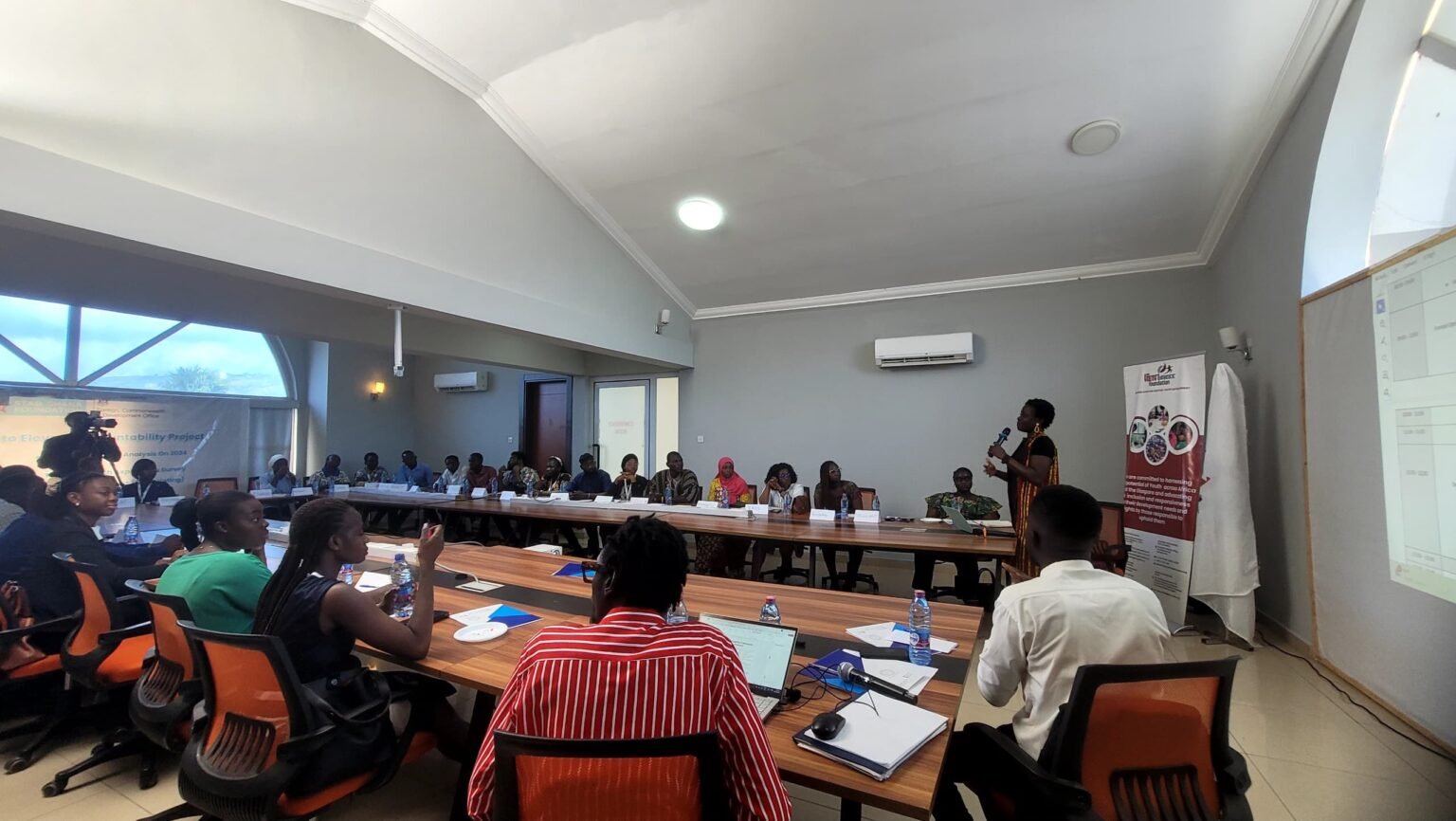
Speaking at a training session aimed at building the capacity of young people to monitor budget allocations for youth-responsive initiatives, YBF’s Programs Manager, Joyce Nyame, underscored the importance of an informed youth population in ensuring accountability.
“We want to empower young people to track and assess what the government is doing for them. If we don’t give them the capacity to do that, government can always come and say, ‘we have done this and that for the youth’ when in reality, the impact is not felt,” she stated.
She pointed out that despite several government interventions targeted at young people, the lack of proper tracking mechanisms means many of these initiatives either stall or fail to achieve their intended outcomes.
“We see many promises being made to the youth. But how many of them are actually implemented? That is why we need to give young people the ability to follow these commitments and hold the government accountable,” Nyame emphasized.
Participants at the training also expressed their enthusiasm for the initiative, highlighting its importance in ensuring that government policies truly reflect the needs of young people.
An assemblyman from the Asante Akyem Central constituency stressed the need for youth involvement in governance.
“As we speak, 70% of Ghana’s population consists of young people. However, many do not fully understand the budget and the political commitments made during elections.”
He emphasized that equipping young people with budget literacy will help them track policies meant for their benefit.
“By the end of this training, I hope to learn how to track the correlation between government policies and budget allocations. This will help us hold the government accountable for the promises it makes to us.”
With unemployment and economic challenges being major concerns for the youth, attendees stressed the importance of monitoring the government’s commitment to initiatives such as the 24-hour economy policy.
“One of the major problems facing the youth is unemployment, so we hope that this 24-hour economy policy will actually be implemented. If done right, it can help reduce crime and youth engagement in vices,” said Davinia, a participant from Greater Accra.
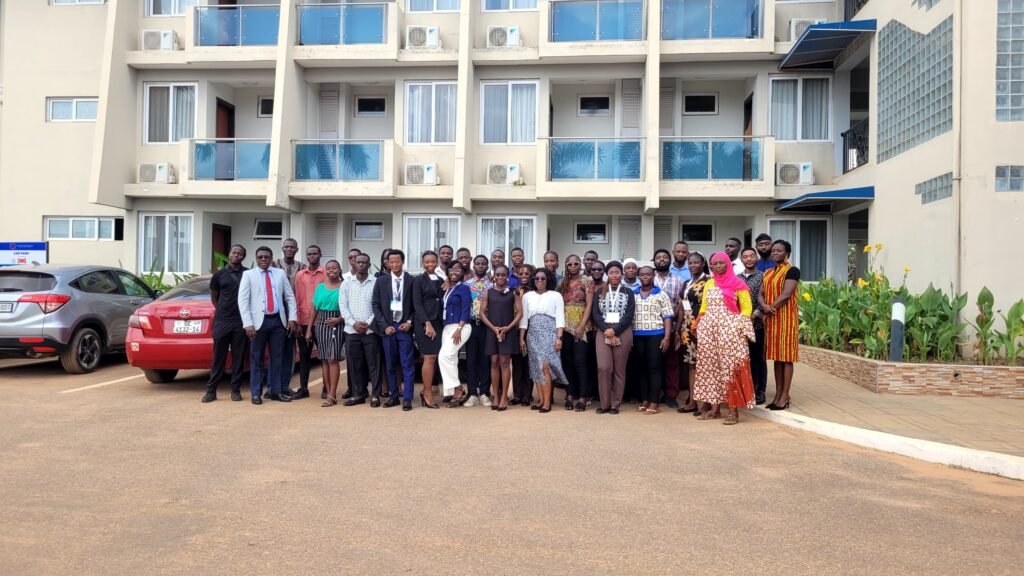
The initiative is part of YBF’s “Empowering Youth to Elevate Accountability” project, which began last year. As part of the project, 32 youth representatives—two from each region—have been trained to monitor government commitments related to youth development.
The Youth Bridge Foundation says it will continue organizing such training sessions across the country to empower more young people to engage with governance processes. Nyame emphasized that the 32 youth representatives trained at this session will serve as catalysts, mobilizing others in their respective regions.
“This is just the beginning. These 32 young people are expected to bring others on board so that we can have a movement of empowered youth ready to demand accountability,” Joyce Nyame concluded.
With unemployment, economic challenges, and social issues being major concerns for Ghanaian youth, the Foundation believes that active monitoring of government budget allocations is the key to ensuring real policy impact.
The Youth Bridge Foundation says it will continue to expand its training sessions and mobilize young people across all regions to actively participate in governance and demand accountability on youth-focused policies.