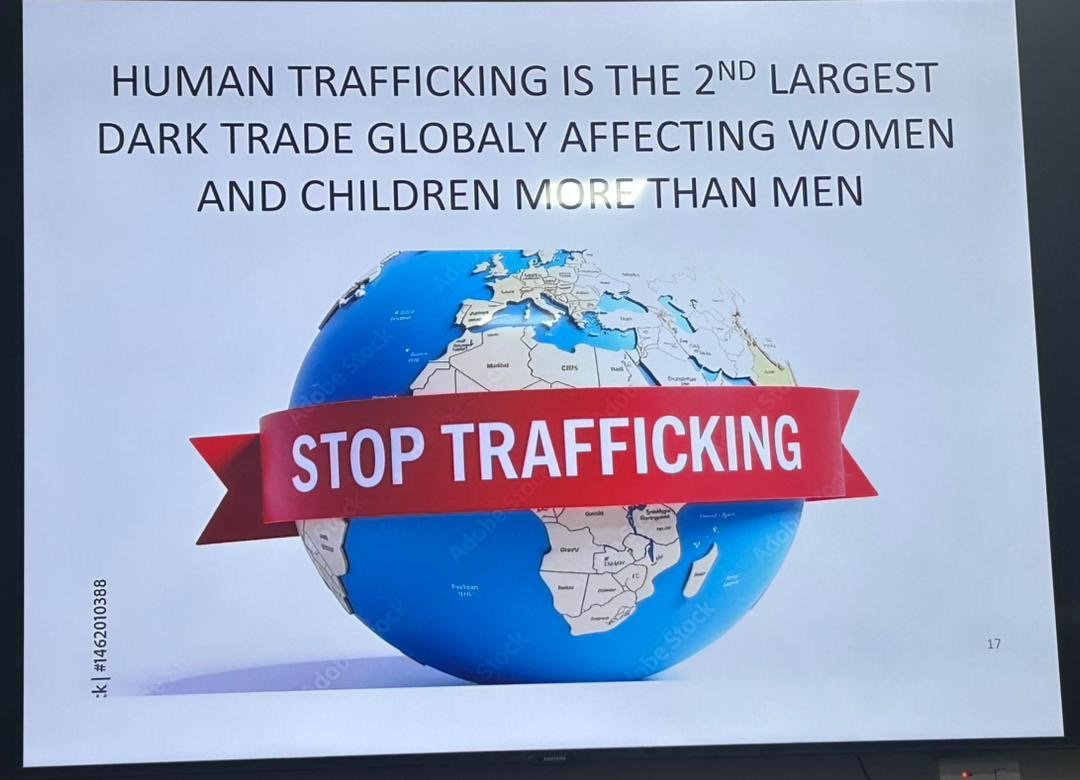
The International Organization for Migration (IOM) Ghana has raised concerns over the growing incidence of human trafficking in sports, warning that young footballers are increasingly being exploited by criminal networks posing as agents offering trials and overseas contracts.
At a stakeholder engagement and training workshop for sports journalists on trafficking, the Director of the Human Trafficking Secretariat, Anena Annobea Asare, described sports trafficking as an emerging threat requiring urgent national attention.
“Human trafficking in sports is becoming a growing concern. Young athletes are being deceived with promises of trials and contracts that simply do not exist,” she said.
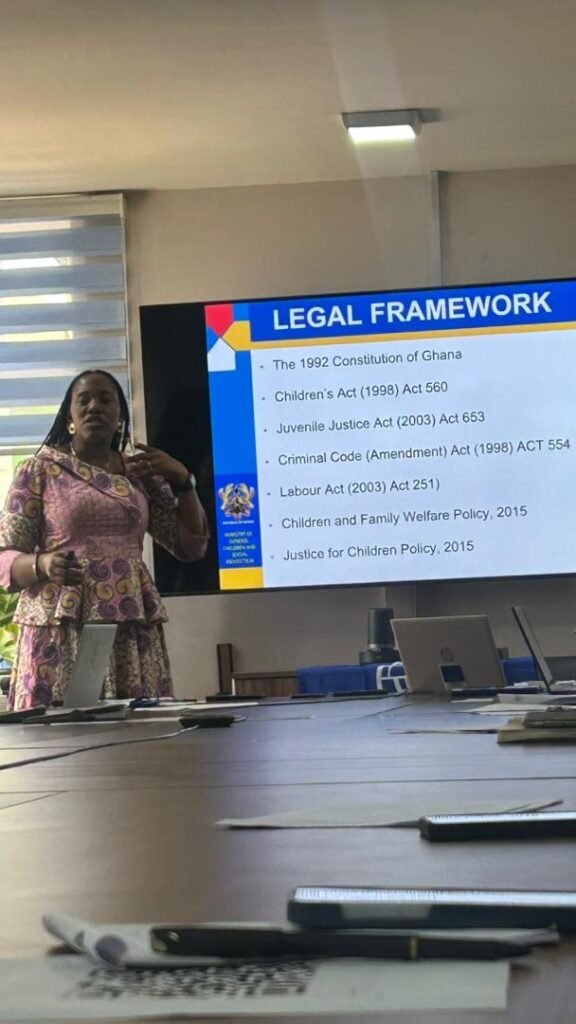
She explained that while human trafficking gained global legal recognition in 2000 following the Palermo Protocol, Ghana subsequently enacted the Human Trafficking Act, 2005 (Act 694) to criminalise the practice. The Ghana Police Service has also established a specialised Anti-Human Trafficking Unit within the Criminal Investigations Department to investigate and prosecute offenders.
Football increasingly targeted
Officials say trafficking patterns, once largely associated with domestic labour and sexual exploitation, are now extending into football, where vulnerable youth are targeted through promises of professional opportunities abroad.
According to stakeholders, many families are heavily invested in these promises, sometimes selling property or taking loans in the belief that their children will secure foreign contracts.
“Families sell property, take loans, and invest everything they have, believing their child will secure a contract abroad,” one official, Mr Lobbia, noted.
However, victims often arrive in destination countries to discover the promised opportunities do not exist.
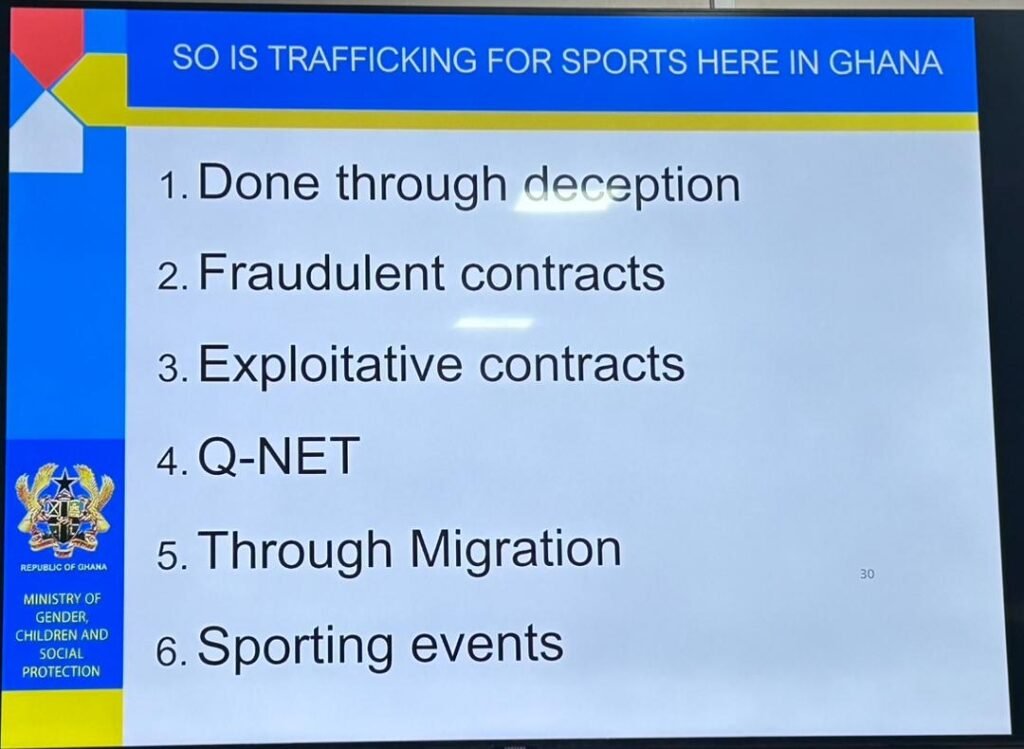
Authorities outlined common experiences, including cases where victims find no club awaiting them, have their passports seized, are abandoned without support, or are forced into unrelated labour and irregular migration situations.
In some instances, victims are unable to return home due to shame linked to financial losses incurred by their families.
“Traffickers exploit not just poverty, but hope. They know these young players have dreams, and they turn those dreams into profit,” Anena Annobea Asare added.
Risk cuts across all backgrounds
Officials cautioned that trafficking is not limited by education or social status, stressing that anyone can become a victim.
“You cannot say you are too educated or too aware. Trafficking can happen to anyone—students, professionals, even security personnel,” Asare warned.
She noted that traffickers often operate through trusted networks, including friends and relatives, making detection more difficult.
Media urged to be vigilant
The media was also urged to play a more responsible role in preventing trafficking by verifying recruitment advertisements before publication.
“Journalists must verify opportunities before publishing. Some of these adverts are recruitment tools for traffickers,” she cautioned, adding that reporting must prioritise victim dignity and avoid further harm or stigma.
Ghana remains source, transit and destination
Authorities further indicated that Ghana continues to serve as a source, transit, and destination country for trafficking, with both internal and cross-border cases recorded.
Internal trafficking often involves children engaged in fishing, farming, and street labour, while external cases involve victims trafficked to regions including the Middle East, Europe, and Asia under false pretences.
Police call for urgent action
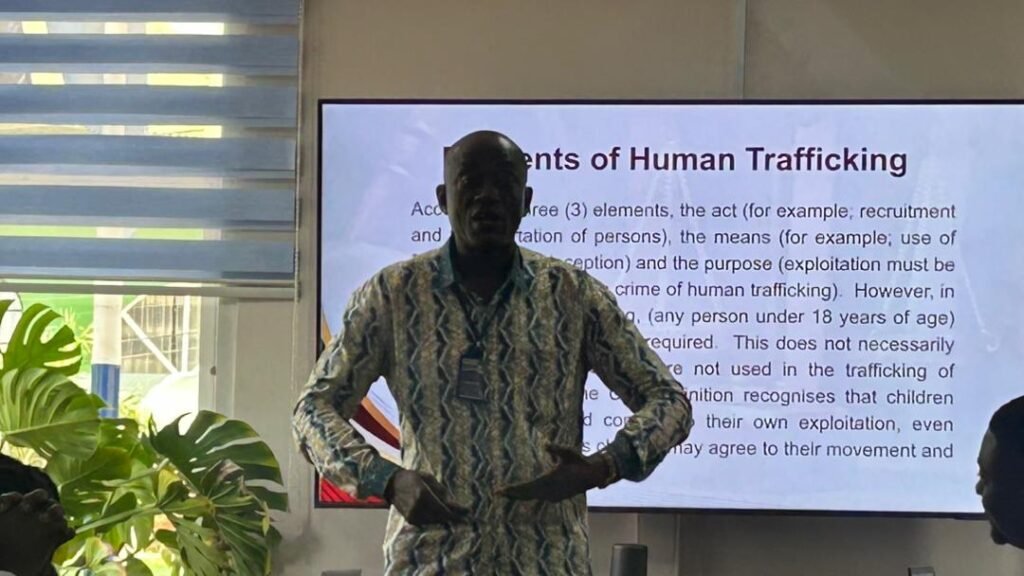
Superintendent William Ayaregah of the Ghana Police Service’s Anti-Human Trafficking Unit warned that without stronger intervention, more young talents will fall victim to trafficking networks.
“Human trafficking strips people of their rights, ruins their rights and destroys their dignity,” he said.
He stressed the need for strengthened legal frameworks, improved victim support systems, targeted public education, and enhanced judicial capacity to identify and prosecute trafficking in sports.
“We must act now, together, to stop it,” he added.
Source: Starrfm.com.gh/Monica Bukari