A renewed push has been made for West African governments to accelerate the ratification of the African Union (AU) Protocol on the Free Movement of Persons, following concerns that delays could undermine Africa’s broader integration agenda.
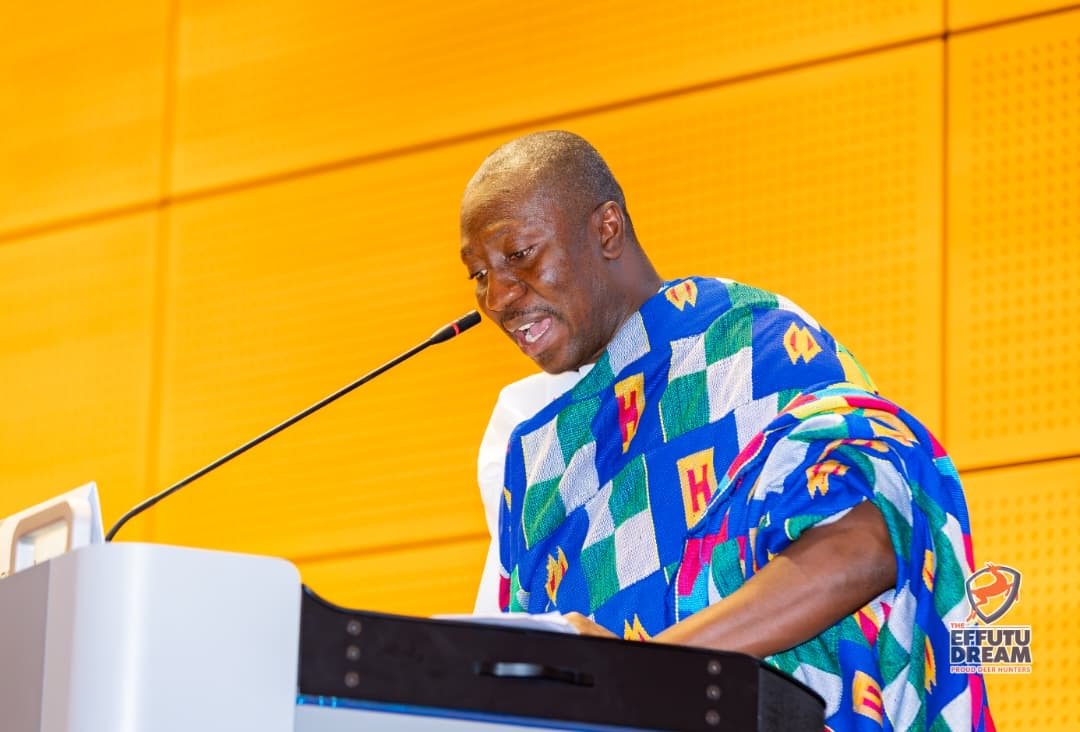
Speaking on the floor of the ECOWAS Parliament in Abuja on May 5, Third Deputy Speaker Osahene Alex Afenyo-Markin described the slow progress on the protocol as a major setback to the continent’s economic ambitions, particularly the African Continental Free Trade Area.
Delivering a statement of urgent public interest, he warned that Africa risks failing to fully realise the benefits of AfCFTA without enabling the free movement of people across borders.
“We cannot build a true African Continental Free Trade Area if people cannot move with their goods,” he stated.
The AU Free Movement Protocol, adopted in January 2018, was intended to complement AfCFTA by allowing Africans to travel, reside, and establish businesses across the continent. However, eight years after its adoption, only four countries; Rwanda, São Tomé and Príncipe, Niger, and Mali; have ratified the agreement, falling short of the 15 ratifications required for it to take effect.
The situation presents a notable contradiction within the Economic Community of West African States, widely regarded as a leader in regional mobility due to its 1979 visa-free travel protocol. Despite this reputation, none of its current member states has ratified the AU protocol, especially following the exit of Niger and Mali from the bloc.
Mr. Afenyo-Markin highlighted that, although ECOWAS has made strides in facilitating cross-border movement, challenges such as harassment, extortion, and illegal checkpoints persist, undermining the region’s integration efforts.
He further pointed to a structural gap within Africa’s integration framework, noting that while 49 countries have ratified AfCFTA, restrictions on the movement of people continue to hinder trade, investment, and labour mobility.
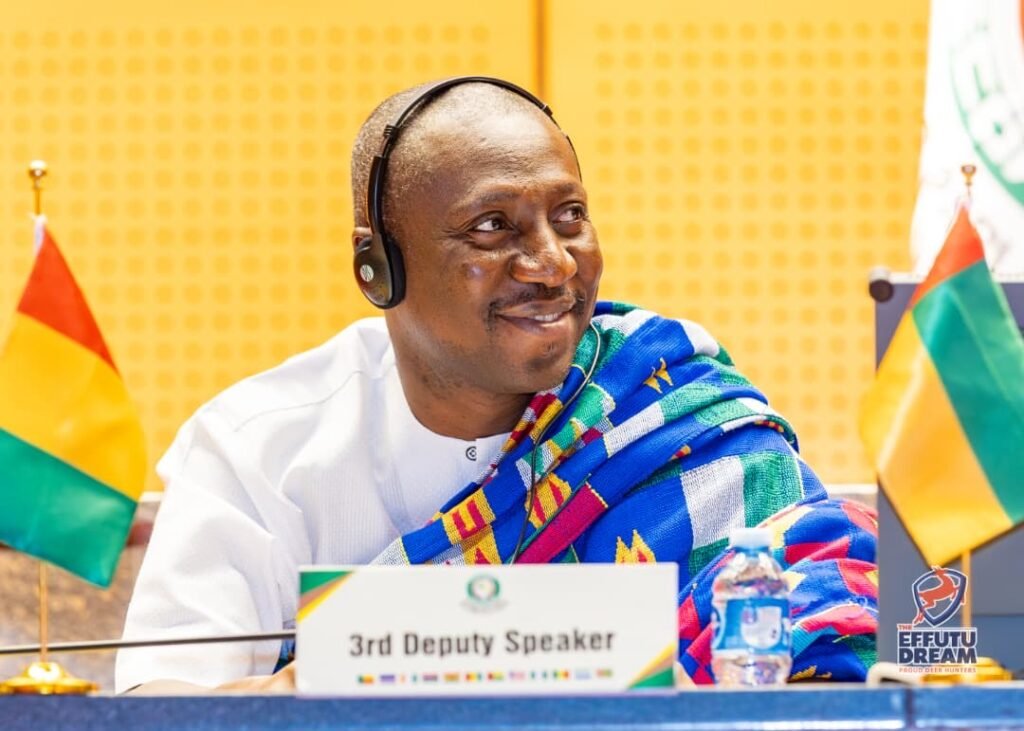
The Deputy Speaker called on ECOWAS member states to urgently complete their domestic ratification processes and deposit the necessary instruments with the African Union. As part of this effort, a resolution is being proposed within the ECOWAS Parliament to identify countries yet to ratify the protocol, demand accelerated legislative action, and require regular progress reports.
The address also placed a spotlight on Ghana, which hosts the AfCFTA Secretariat but has yet to ratify the protocol. While acknowledging Ghana’s leadership in promoting integration, Mr. Afenyo-Markin stressed that such leadership must be matched by legal commitments, noting that the country has set a target of 2027 for ratification.
He concluded with a broader caution that Africa’s integration challenges are no longer about policy design but implementation, warning that failure to operationalise free movement could undermine decades of progress.
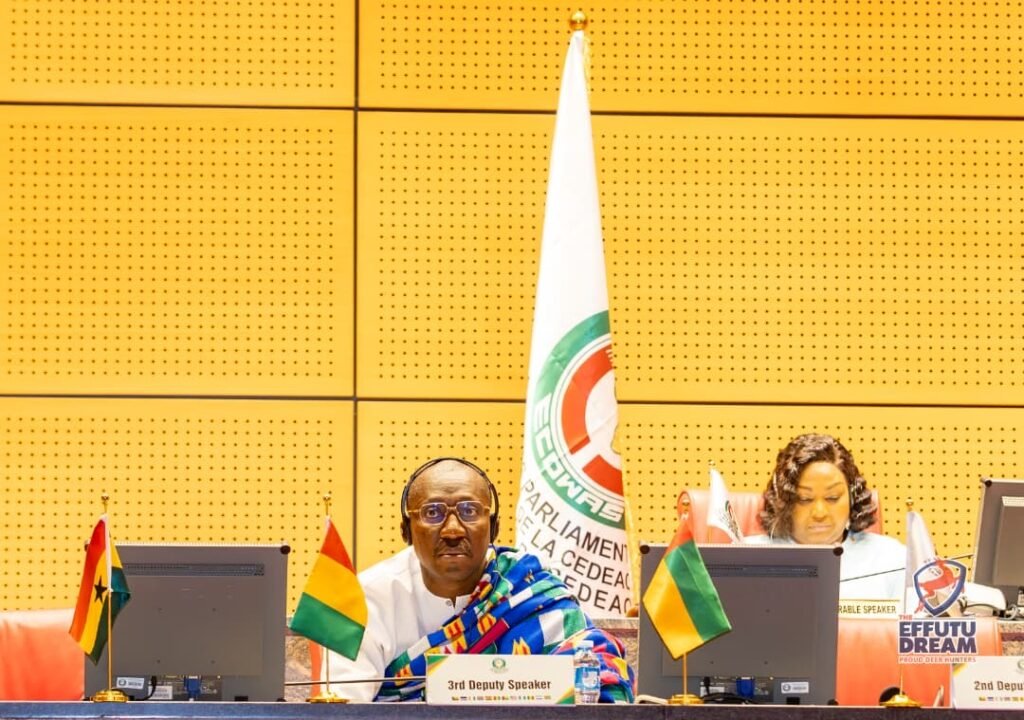
For ECOWAS and the continent at large, he emphasised that achieving a truly integrated market depends not only on the movement of goods but also on the freedom of people to move, work, and trade across borders.
Source: Starrfm.com.gh