Ghana has called for a shift from raw mineral exports to local processing and value addition, urging international partners to support the development of domestic industries and technical expertise.
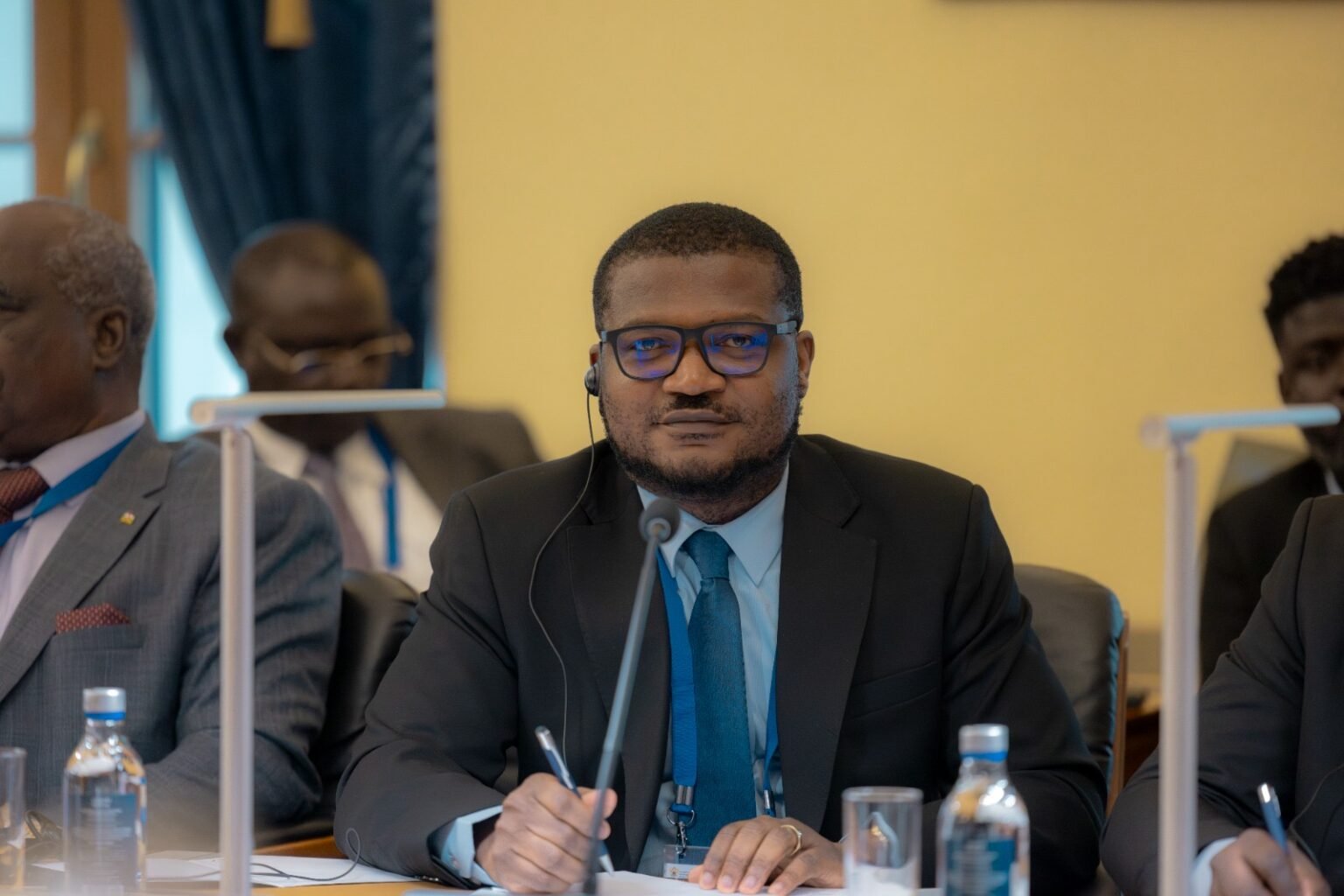
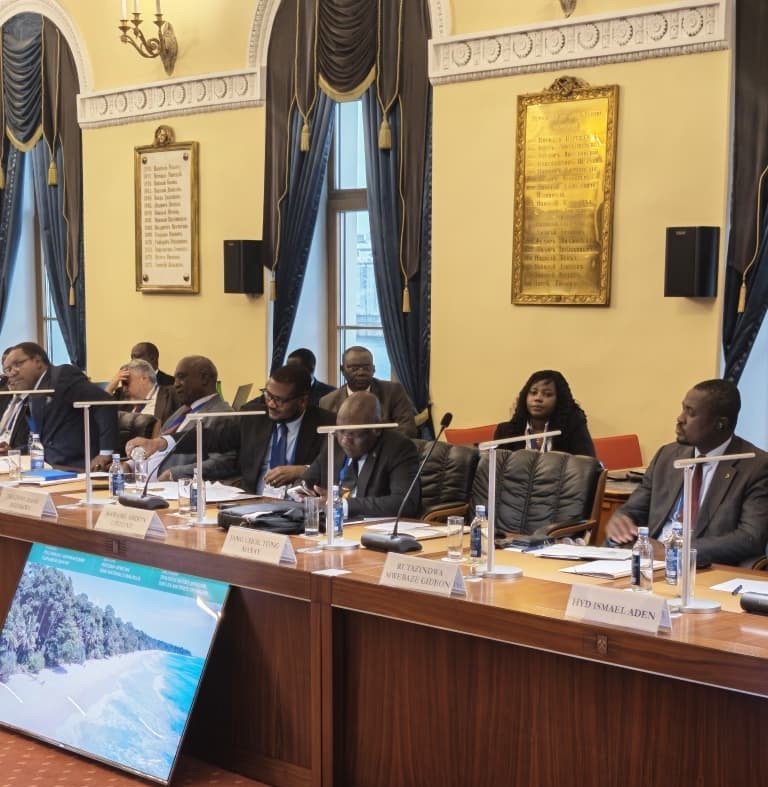
The Chief Executive Officer of the Minerals Commission, Isaac Tandoh, delivered the message on behalf of the government at the ministerial roundtable of the Second Russia-Africa Raw Materials Dialogue in Saint Petersburg, Russia.
Mr Tandoh said Ghana, as Africa’s leading gold producer, was prioritising partnerships that would enable the country to process more of its natural resources locally and derive greater economic benefits from its mineral wealth.
He cited figures indicating that eight of the world’s top 20 gold-producing countries are in Africa, yet only about two per cent of the continent’s natural resources are processed locally.
According to him, the situation underscores the need for African countries to move beyond exporting raw materials and build industries capable of processing their resources locally.
“All future cooperations must move beyond simple raw material extraction toward a partnership of sovereign equals,” he said.
Mr Tandoh stressed that Ghana remained open to knowledge sharing and the transfer of advanced technologies from Russia and other technologically advanced countries.
However, he said such cooperation must be genuine, structured and embedded in local institutions to ensure that Ghanaian engineers and institutions develop measurable technical capabilities.
He emphasised that partnerships must go beyond the extraction and export of resources to support local industrial development and build lasting expertise.
Ghana expands focus to critical minerals
Mr Tandoh said Ghana was broadening its focus beyond traditional minerals to include critical resources such as lithium, iron ore and bauxite.
He cited state-backed development frameworks, including the Ghana Integrated Aluminium Development Corporation (GIADEC) and the Ghana Integrated Iron and Steel Development Corporation (GIISDEC), as part of the country’s efforts to advance the development of its mineral resources.
He also highlighted Ghana’s regulatory framework and the deployment of digital technologies to strengthen the governance of the mining sector.
These include the Minerals Commission’s digital Mining Cadastre Administration System (MCAS) and geofencing technology, which support the monitoring and administration of mineral rights and mining operations.
According to Mr Tandoh, these measures are intended to ensure that mineral rights acquisitions and mining activities comply with established guidelines while safeguarding the interests of all stakeholders, particularly the people of Ghana.
Call for Ghana-Russia mining framework
The Minerals Commission CEO called for a formal and institutionalised Ghana-Russia Mining Cooperation Framework founded on reciprocity rather than dependency.
He noted that Russia’s demand for imported critical minerals aligned with Ghana’s resource potential, presenting opportunities for mutually beneficial cooperation.
He urged both countries to pursue transformational partnerships that deliver tangible benefits, including industrial development, technology transfer and skills training.
Mr Tandoh further stressed that technical training and industrial cooperation should be delivered directly through Ghanaian institutions to strengthen local capacity and ensure that the benefits of international partnerships are sustained within the country.
The Second Russia-Africa Raw Materials Dialogue is being held in Saint Petersburg from October 12 to 16, 2026.
Organised by the Ministry of Foreign Affairs of the Russian Federation, the UNESCO International Competence Centre for Mining Engineering Education and Saint Petersburg Mining University, the event brings together international delegates, academic leaders and industry experts to explore cooperation in natural resource management, technological innovation and engineering education.
More than 500 participants, including representatives from over 40 African countries and more than 100 heads of agencies and organisations, are attending the dialogue to explore opportunities for cooperation in the sustainable development and management of raw materials.