Ghana is advancing efforts to revitalise its poultry sector through the development of a comprehensive Poultry Sector Master Plan, with stakeholder consultations currently underway across the country.
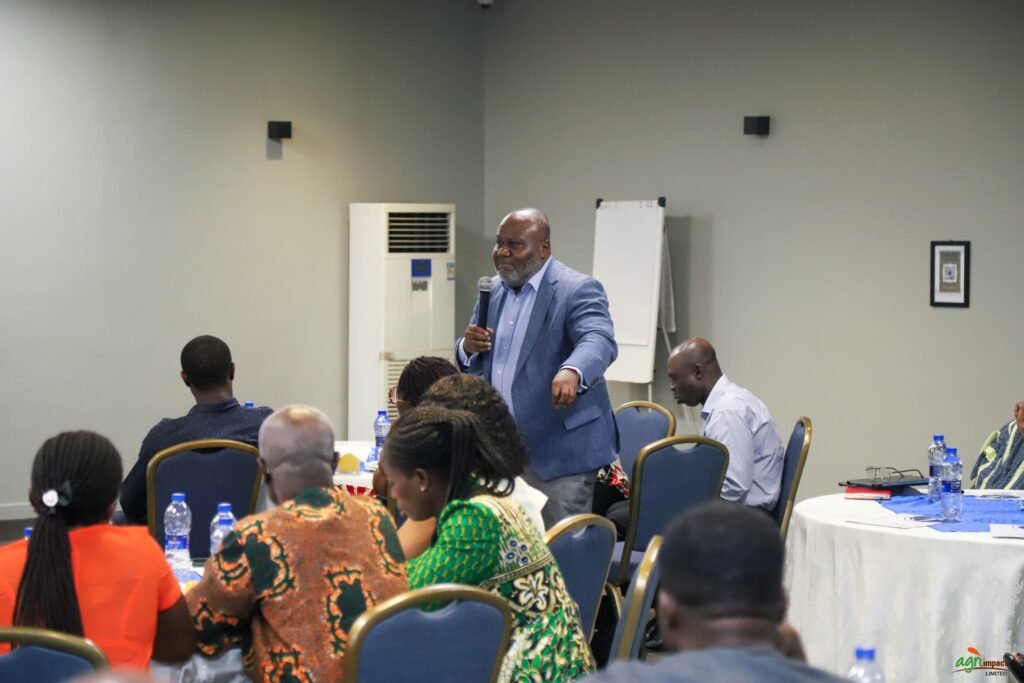
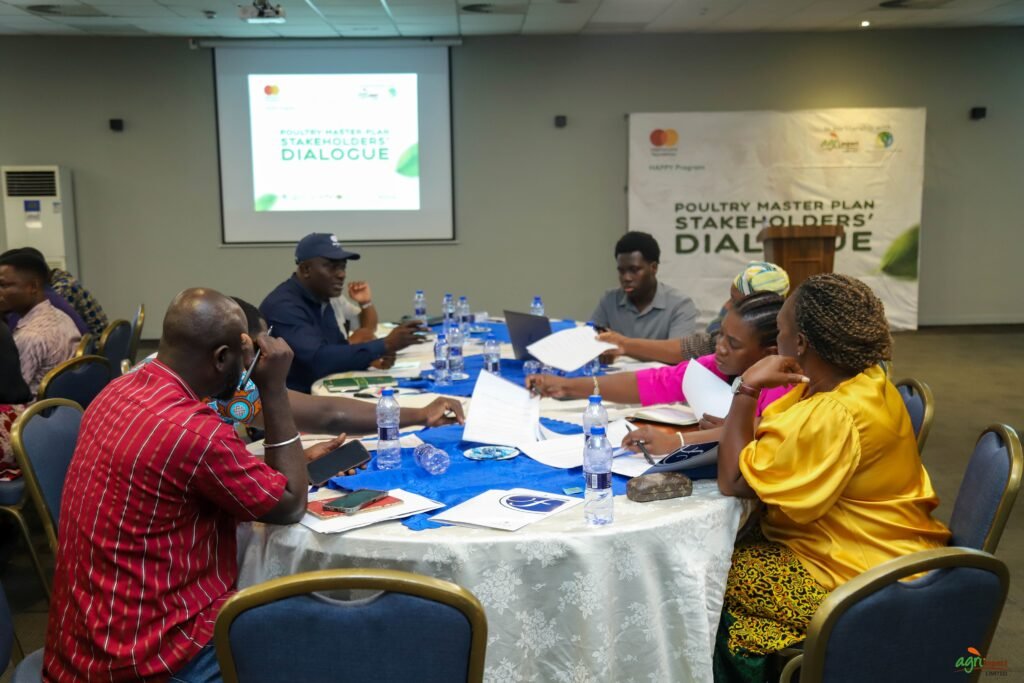
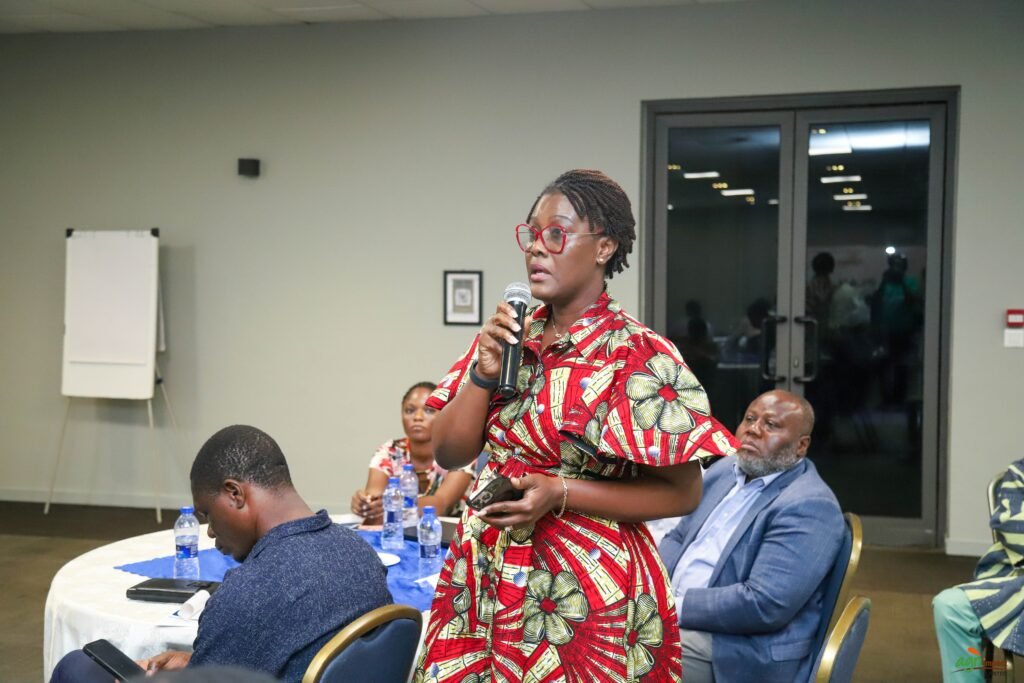
The Southern Belt stakeholder dialogue, held at the Fiesta Royale Hotel in Accra on Tuesday, May 5, 2026, brought together key players in the poultry value chain, including industry stakeholders, policymakers, and representatives from the Ministry of Food and Agriculture, as part of efforts to build consensus on the proposed policy framework.
The process is being championed by the Animal Production Directorate (APD) of the Ministry of Food and Agriculture as part of the Harnessing Agricultural Productivity and Prosperity for Youth (HAPPY) Programme.
The HAPPY Programme is an initiative of the Mastercard Foundation, in partnership with Agri-Impact Limited, and is being implemented by an eight-member consortium.
Similar stakeholder engagements have already been held across the Northern and Middle Belts to gather inputs for the master plan.
Founder and CEO of Agri-Impact Group, Dr (h.c) Daniel Fahene Acquaye, speaking at the Southern Belt stakeholder dialogue, said the policy document is aimed at addressing long-standing structural challenges within the poultry value chain and positioning the sector for growth.
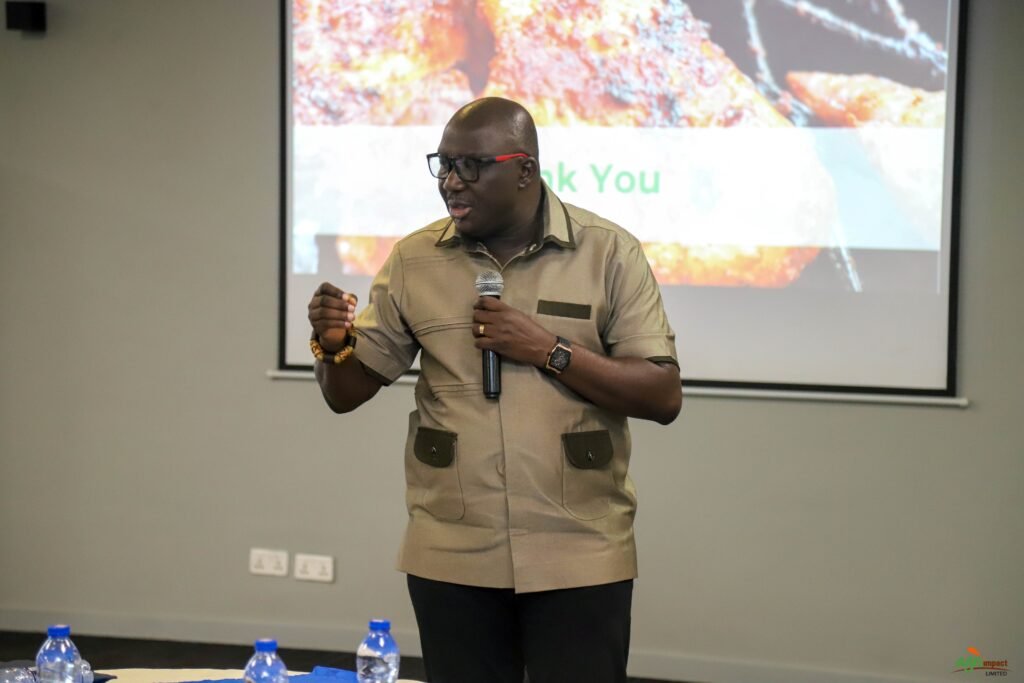
“We’re pushing for Ghana to be self-sufficient in poultry. Over a period of time, we became 80% self-sufficient and 20% dependent on imports. Then we went into trade liberalisation and, all of a sudden, we shifted from our 80% position to about 80% imports and 20% local production. As we speak now, we are doing just about 10% local production,” he said.
He stressed the urgency of reversing the trend, questioning Ghana’s continued reliance on imports despite the relatively short production cycle of poultry.
“How can we continue to import a product that takes less than two months to produce? In less than two months, your broiler is ready as meat, yet we are importing about 90%,” he added.
According to him, the Poultry Master Plan will examine critical gaps across the entire value chain and outline investment opportunities for both public and private sector participation.
“We said, why don’t we have a master plan; a poultry master plan, that will look at all the issues along the value chain, distil the critical ones, and then come up with recommendations that we can put into an investment brief,” he stated.
Dr Acquaye noted that once stakeholder consultations are completed, the draft master plan will be consolidated, validated, and submitted to the Ministry of Food and Agriculture for onward consideration and Cabinet approval.
He also highlighted financing gaps within the sector, pointing out that support has often been fragmented.
“The financing in the poultry sector has been in silos… we should look at it from the value chain perspective and not just specific areas,” he said.

He further emphasised that imported poultry products benefit from subsidies in exporting countries, putting local producers at a disadvantage.
“Every broiler that is imported into Ghana has been subsidised by the exporting country… Our processors and producers don’t have any subsidy,” he noted.
Speaking for the Ministry of Food and Agriculture, Chief Technical Advisor Kwesi Etu-Bonde said the rollout of support to commercial farmers had been delayed due to pending approvals.
“We wanted to move very fast, but there are authorisation and commitment processes that must be completed,” he explained. “Once those are finalised, we expect that by June we will hit the ground running.”
He added that the Ministry will begin distributing poultry to large-scale commercial farmers in June as part of efforts to strengthen local production and reduce import dependence.

The Poultry Sector Master Plan forms part of the broader HAPPY Programme, a four-year initiative aimed at creating over 326,000 dignified and fulfilling job opportunities for young people, especially women aged 15 to 35, while boosting agricultural productivity across key value chains such as poultry, tomato, rice, and soya bean.
Source: Starrfm.com.gh