


Ghana is taking steps to strengthen its soybean industry through the development of a National Soybean Strategy, aimed at improving productivity, boosting value addition, and ensuring a more coordinated approach across the value chain.
The initiative, under the Harnessing Agricultural Productivity and Prosperity for Youth (HAPPY) Programme, is being driven through stakeholder consultations involving farmers, aggregators, processors, exporters, and policymakers to develop a comprehensive roadmap for the sector.
Value Chain and Enterprise Development Specialist at Agri-Impact, Abrahim Sarfo, speaking at the National Soyabean Development Strategy workshop, said the strategy seeks to transform the soybean value chain into a more productive and inclusive sector that delivers better incomes for farmers.
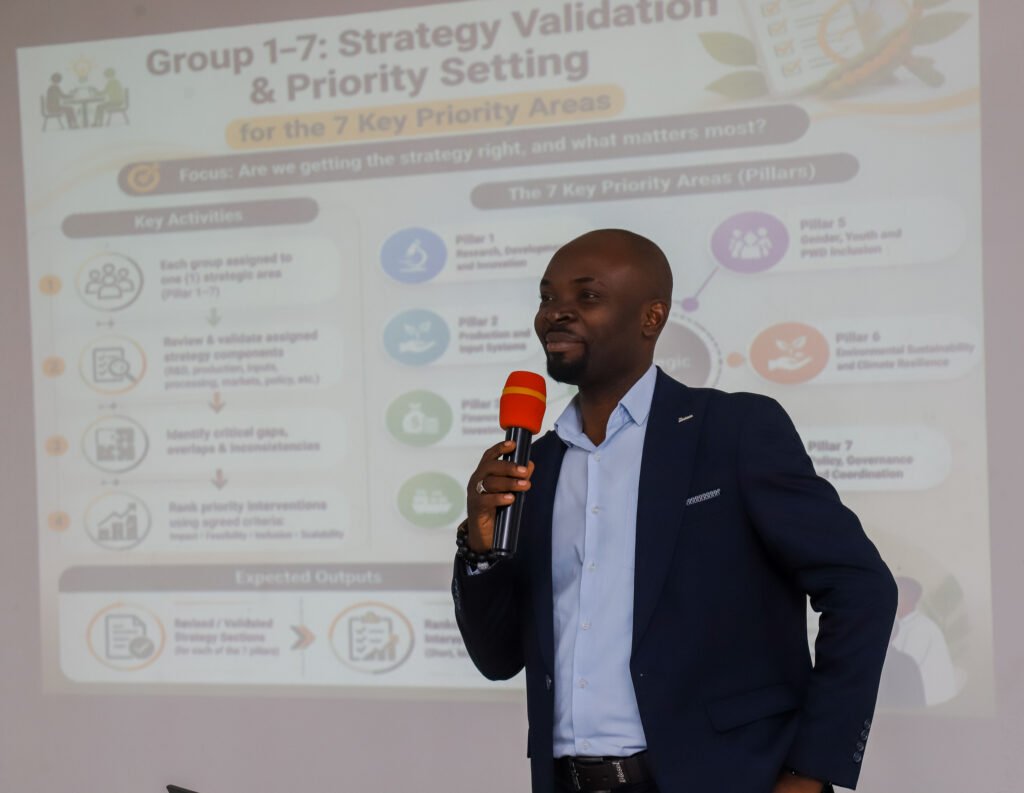
“Okay, so the National Soyabean Strategy is part of a collective effort of all stakeholders involving the soybean value chain, from producers, farmers, all the way to processors, exporters, marketers, coming together to have one document that outlines as a country our key strategic interventions that we need to be embarking, the investment requirement that is needed to move the soybean value chain from the level that we have now to a more inclusive, more productive level that also gives income to farmers,” he said.
He described soybean as a critical commodity due to its role in both human consumption and animal feed production.

“You know, soybean is a strategic crop in this country… it feeds two important value chains… poultry feed, other livestock feed and currently aquaculture fish feed, they all need soybean as a protein source… and then obviously if you come also to the human consumption, it’s a very good source of protein,” he explained.
Mr. Sarfo, however, noted that productivity levels remain low, stressing the need for improvement through better practices and mechanisation.
“Our productivity level is low. As a country, we are on average of 1.7 metric tons per hectare… we have average of other countries of about almost three tons per hectare,” he said.
He added that increasing productivity will require investments in improved seed varieties, climate-smart practices, and mechanisation.
According to him, financing remains a major challenge, as investments across the value chain are often fragmented.

He further highlighted the need for value addition, noting that processing capacity in Ghana remains underutilised.
“Currently, almost all our soybean processing plants are working optimally at 40 percent capacity… we sometimes have to even import soybean to this country so that our feed mills can get soybean,” he revealed.
Mr. Sarfo also raised concerns about trade imbalances, particularly the impact of unregulated exports and side-selling on local processors and investors.
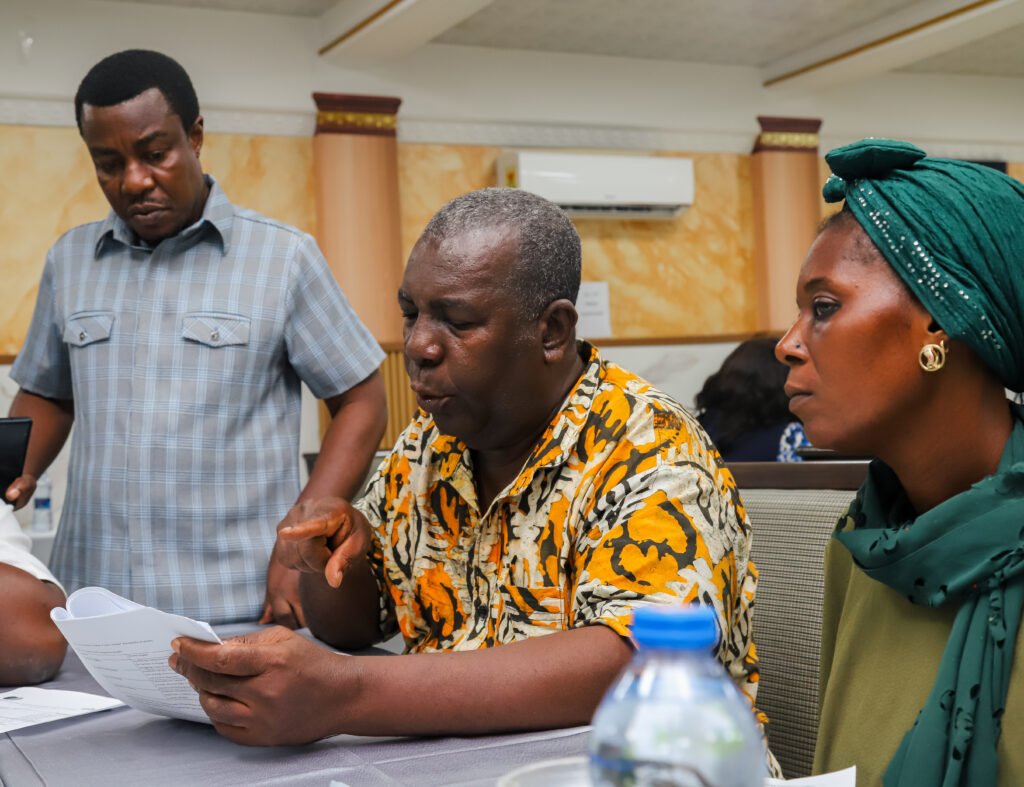
“So how do we also manage and control the soybean trade? What are the certificates that we are issuing for the export? Is it traceability?” he questioned.
He stressed the importance of balancing exports with domestic supply to sustain local industries.
“We want to draw the balance of our trade… and at the same time also feed into our local processing system,” he said.
The strategy is expected to run through to 2030, with provisions for periodic review to reflect changing economic conditions.
“We are looking at this strategy going to 2030… it’s easy to review targets, it’s easy to measure improvement,” he explained.
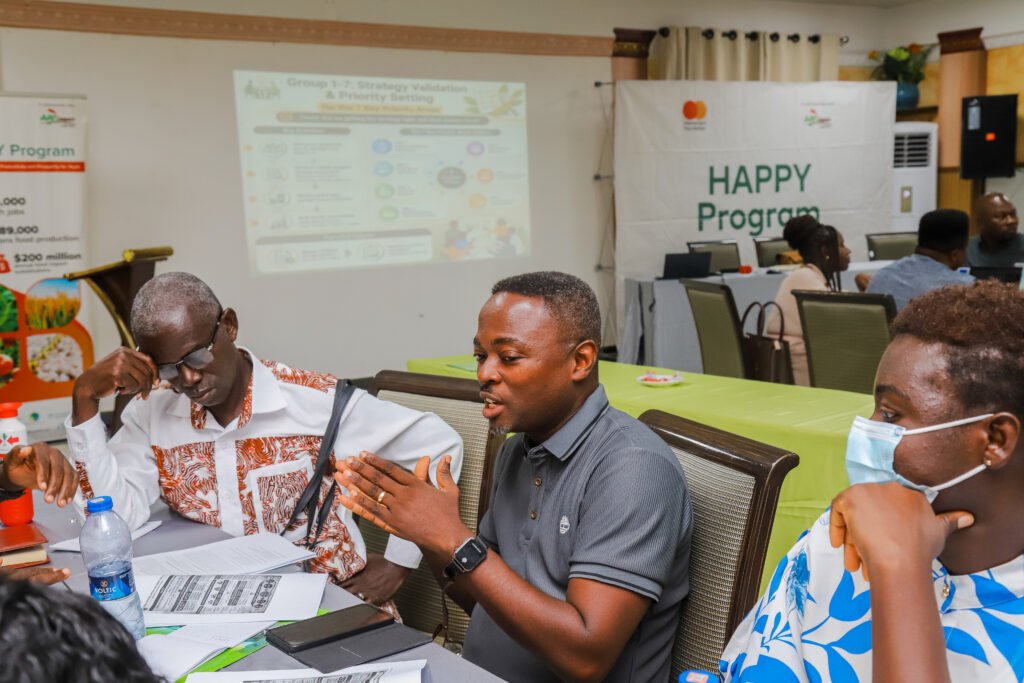
Mr. Sarfo also called for stronger policy alignment to support agribusiness growth, warning that macroeconomic conditions could undermine local production.
Meanwhile, the Ministry of Food and Agriculture says the strategy is being developed to provide a structured framework for the sector’s growth.
An official at the Ministry, Rowland Addo, said stakeholder consultations have already been held in the northern and middle belts, with the southern sector now reviewing the draft document.
“With this, the HAPPY project… is supporting the ministry to develop a national soybean development strategy to support the holistic development of the soybean sector,” he said.

He added that inputs from stakeholders will be incorporated into the final document before submission for approval and implementation.
The National Soybean Strategy forms part of broader efforts under the HAPPY Programme to boost agricultural productivity, promote value addition, and create jobs, particularly for young people, women, and persons with disabilities.
Source: Starrfm.com.gh


